What Makes a Device 'Smart'
The word "smart" in this context has a specific meaning: a device that can send and receive data over a network, respond to commands, and often adapt its behavior based on conditions or schedules. A regular lamp turns on when you flip a switch. A smart bulb can be dimmed from your phone, set to change color at sunset, or turn off automatically when everyone leaves the house.
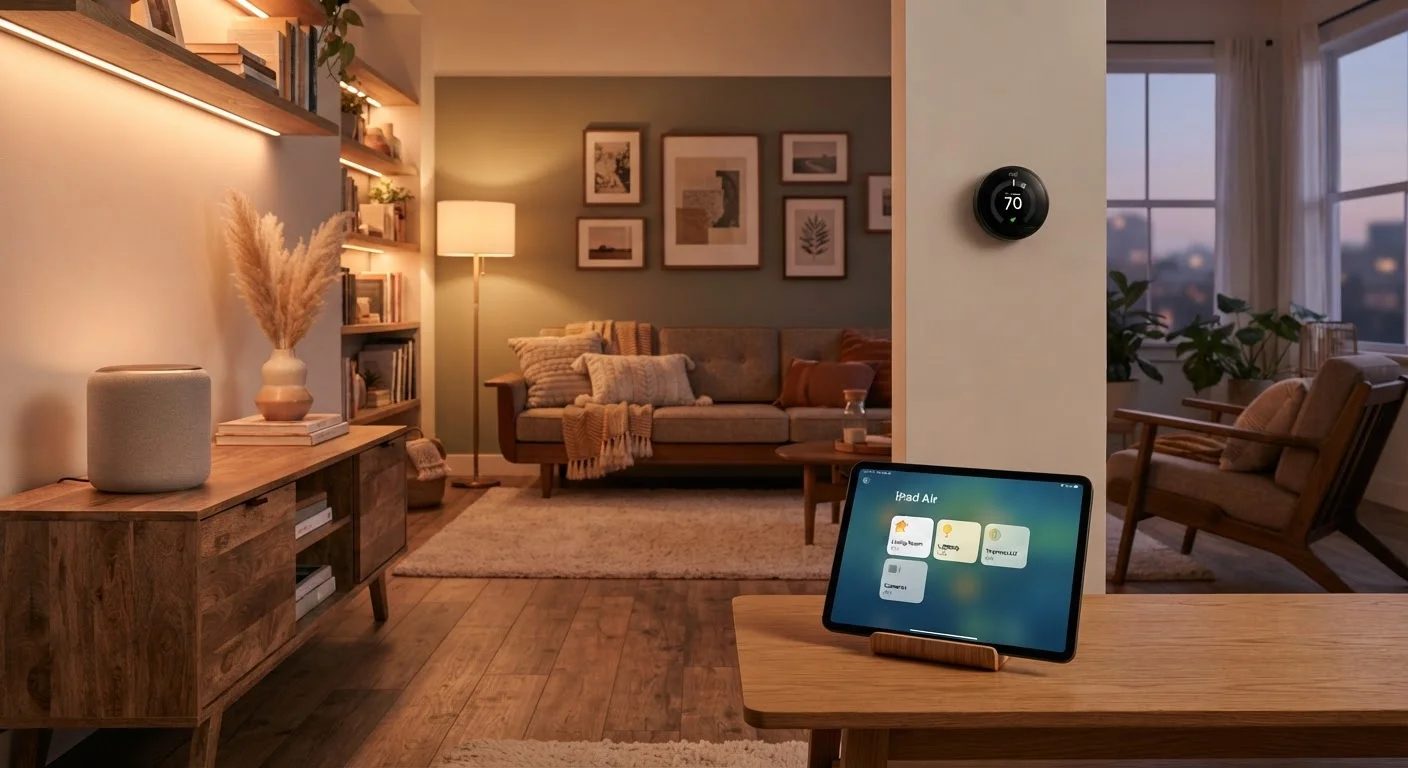
What separates smart devices from ordinary ones isn't just remote control — it's the ability to integrate into a broader system. A smart thermostat doesn't just let you adjust temperature from your couch; it can coordinate with window sensors, check local weather data, and learn your household schedule over time.
For a deeper look at the terminology used across these systems, the Smart Home Glossary covers key concepts in plain language.
69%
U.S. households with at least one smart device
According to Statista estimates based on smart home market research tracking consumer device adoption in the United States.
4+
Average smart devices per connected U.S. home
Industry analysts tracking smart home adoption note that households with any connected devices typically own multiple, spanning lighting, security, and climate categories.
Matter
Cross-industry standard for device interoperability
Matter, developed by the Connectivity Standards Alliance, was formally launched to simplify compatibility across major smart home ecosystems including Amazon, Apple, and Google.
How Smart Devices Connect and Communicate
Smart devices rely on wireless protocols to talk to your network and to each other. The most common is Wi-Fi, which connects devices directly to your home router — no additional hardware needed. It's familiar and widely supported, but a large number of Wi-Fi devices can strain your router.
Zigbee and Z-Wave are lower-power protocols that create a mesh network — each device relays signals to others, extending range throughout your home. These typically require a hub (a central coordinating device) to bridge them to your Wi-Fi network and apps. Bluetooth is common for short-range devices like smart locks and speakers. Matter, a newer cross-industry standard, is designed to make devices from different manufacturers work together more smoothly.
Understanding these protocols matters when purchasing — a Zigbee device won't connect to a Z-Wave hub, and not every device works with every platform. See our article on Wi-Fi, Zigbee, and Z-Wave for a detailed breakdown.
Protocol Compatibility Affects Every Purchase
When buying a smart device, its wireless protocol determines which hubs it requires and which platforms it supports. A device using Zigbee, for example, needs a Zigbee-compatible hub — it won't connect directly to your router the way a Wi-Fi device does. Always verify protocol compatibility with your existing setup before purchasing. This is one of the most common sources of frustration for new smart home users.
Platforms, Ecosystems, and Working Together
Smart devices don't automatically work with each other just because they're both "smart." They need to share a platform or protocol. The major ecosystems — Amazon Alexa, Google Home, and Apple HomeKit — act as coordination layers. A device listed as compatible with one of these platforms can be controlled through that ecosystem's app and voice assistant.
Automations and routines are where smart homes become genuinely useful. You can set a single command — "good night" — to lock the front door, dim the lights, lower the thermostat, and start a white noise speaker. These routines are built inside your chosen platform's app and can trigger based on time, location, sensor state, or voice command.
Before adding devices, it's worth checking compatibility. First-time smart home buyers are often surprised by ecosystem lock-in and hidden subscription costs.
Where to Start and What to Expect
A practical approach is to begin with one category — lighting and smart plugs are popular first steps because they're low-cost, low-stakes, and immediately useful. Building a smart home gradually, room by room, avoids the confusion of configuring too many devices at once.
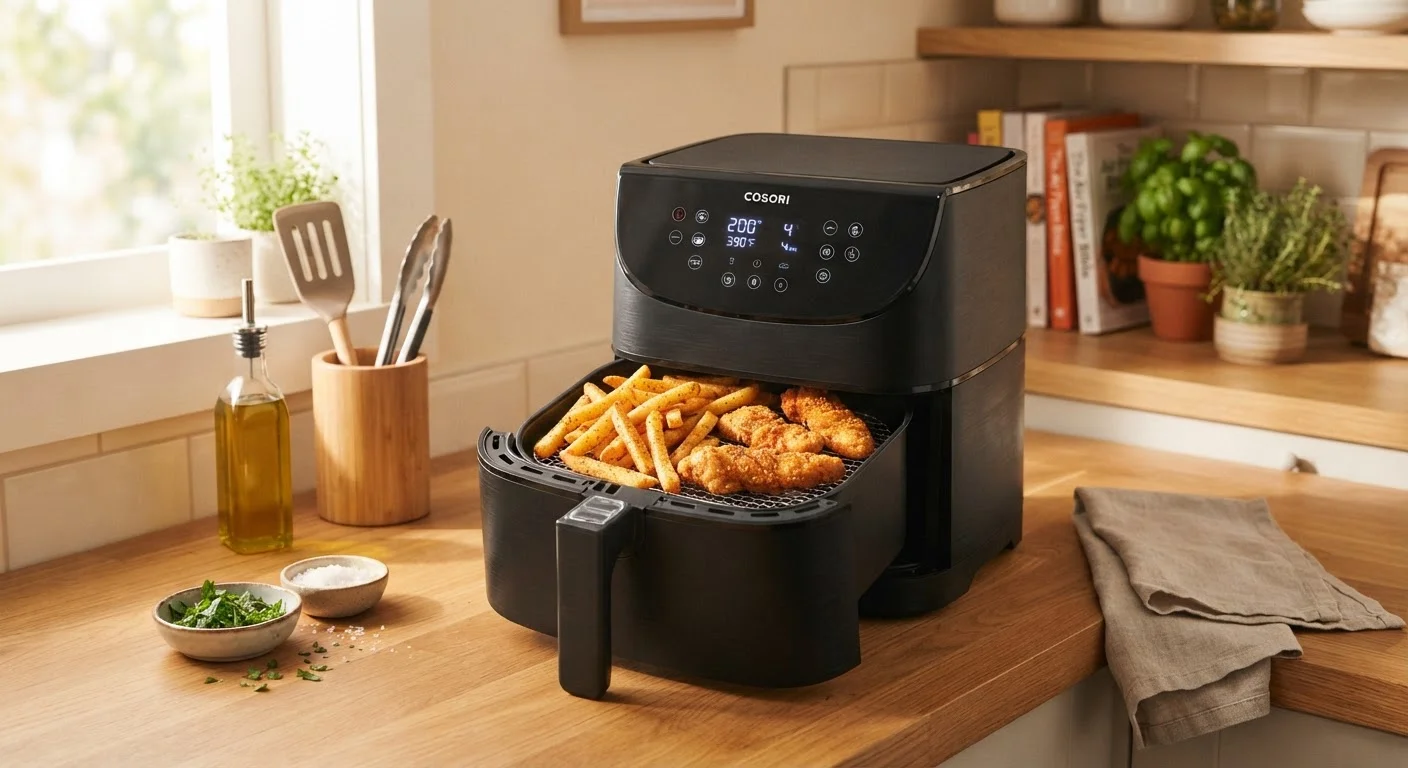
Smart technology also extends to appliances. Robot vacuums and smart cleaning devices can be scheduled, monitored, and integrated into home routines — learn more in our cleaning appliances section. Similarly, connected kitchen appliances are growing in capability; the kitchen appliances hub covers what features are worth considering.
Pick One Ecosystem Before You Expand
Choosing a primary smart home platform — Amazon Alexa, Google Home, or Apple HomeKit — before buying multiple devices saves significant headaches. Devices certified for your chosen platform are far easier to integrate and automate together. Mixing ecosystems is possible but adds complexity that can make routines and voice control unreliable.
Finally, privacy is a genuine consideration. Voice assistants, cameras, and even smart plugs generate data about your household's habits. Our article on smart home privacy explains what's being collected and practical steps to manage it.