Why Small Appliances Fail Sooner Than They Should
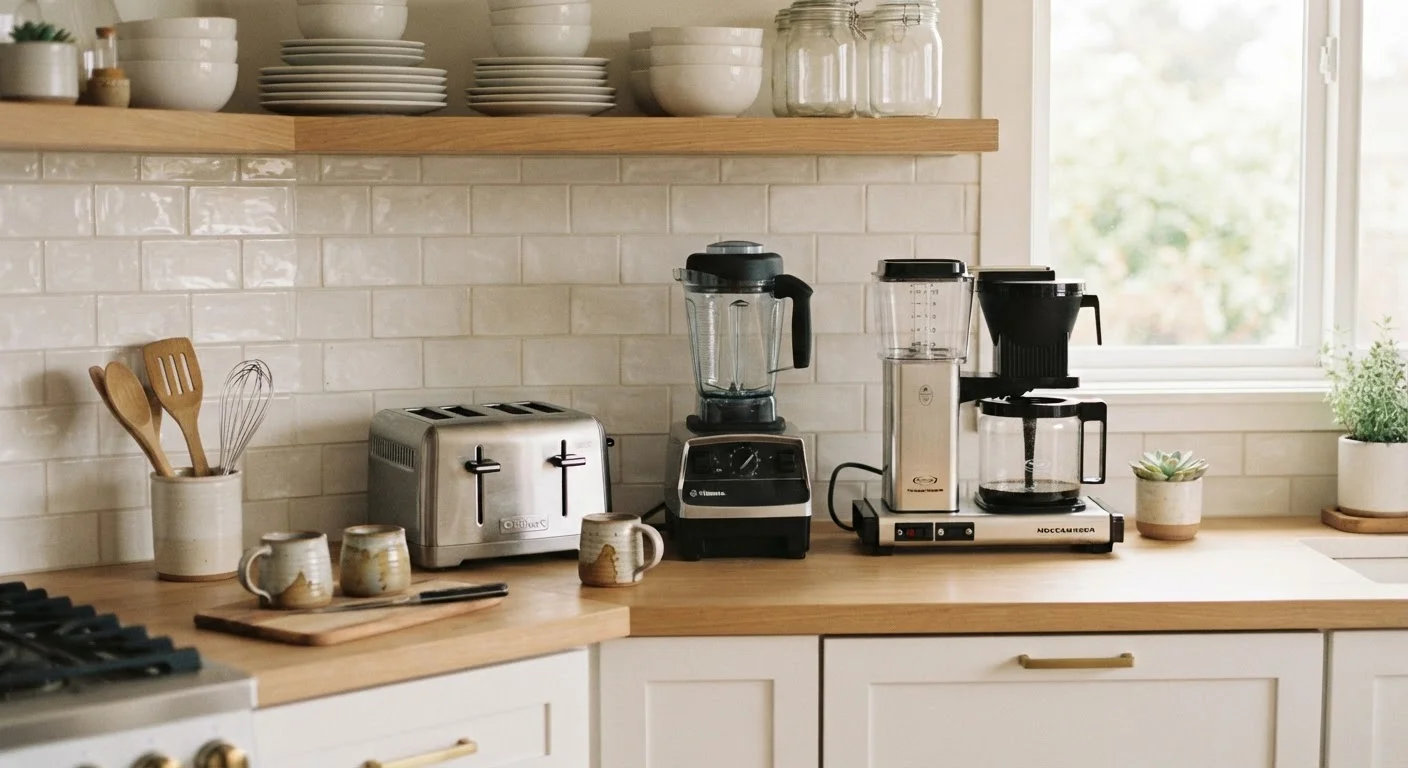
Countertop appliances—blenders, toasters, air fryers, coffee makers, and the like—are engineered to last for years under normal household use. Yet many fail well before their expected lifespan, often within the first two or three years of ownership. The causes are rarely mysterious. In most cases, premature failure traces back to a handful of predictable, avoidable user habits.
Understanding why these failures happen is the first step toward preventing them. If you're still evaluating which appliance to bring home, our countertop appliance buying checklist covers the capacity, wattage, and material factors worth assessing before purchase.
Running appliances beyond their rated load capacity on a regular basis.
Why it happens: Consumers often assume that if the appliance physically accepts more material—more batter, more produce, more bread—it can handle it. Rated capacities are set by the motor's safe continuous output, not the physical size of the bowl or chamber.
Skipping the drying step after washing removable parts.
Why it happens: Many users reassemble appliances immediately after rinsing, assuming residual moisture will evaporate harmlessly. Water that pools inside base units or near electrical contacts can accelerate corrosion and cause intermittent failures.
Ignoring unusual sounds, odors, or performance changes until the appliance fully stops.
Why it happens: Early warning signs—a grinding noise, a burning smell, sluggish performance—are easy to rationalize away as normal variation, especially when the appliance still technically functions.
Storing appliances in ways that stress cords, blades, or seals.
Why it happens: Counter space is limited, and appliances are often stored by wrapping cords tightly around the base, stacking units on top of each other, or cramming them into cabinets with lids and attachments forced at angles.
Using abrasive or chemically incompatible cleaners on appliance surfaces.
Why it happens: Consumers reach for strong household cleaners when food residue is stubborn, not realizing that many multi-surface sprays and scrubbing pads degrade non-stick coatings, plastic, and rubber seals.
Habits That Protect Your Appliances Over the Long Term
Preventing early failure doesn't require specialized tools or technical knowledge. The most effective maintenance habits are straightforward and take only minutes to establish as routine.
~3 years
Average lifespan of poorly maintained countertop appliances
Industry repair technicians commonly observe that appliances brought in for early failure show signs of consistent overloading or inadequate cleaning rather than manufacturing defects.
70%+
Appliance failures attributed to user habits, not defects
Consumer appliance service data consistently indicates the majority of out-of-warranty failures stem from maintenance neglect or improper use rather than component manufacturing faults.
Clean regularly and correctly. Residue buildup on heating elements, blade assemblies, and interior cavities creates insulation that causes overheating. Wipe down appliances after each use and deep-clean components—such as blender gaskets, toaster crumb trays, and coffee maker water reservoirs—according to the manufacturer's schedule. Harsh abrasives or submerging non-waterproof parts are common cleaning mistakes that introduce new damage.
Give appliances room to breathe. Tucking appliances flush against cabinet walls or surrounding them with other items restricts airflow. Most countertop appliances vent heat from their sides or rear. Maintaining at least a few inches of clearance on all sides significantly reduces thermal stress on internal components.
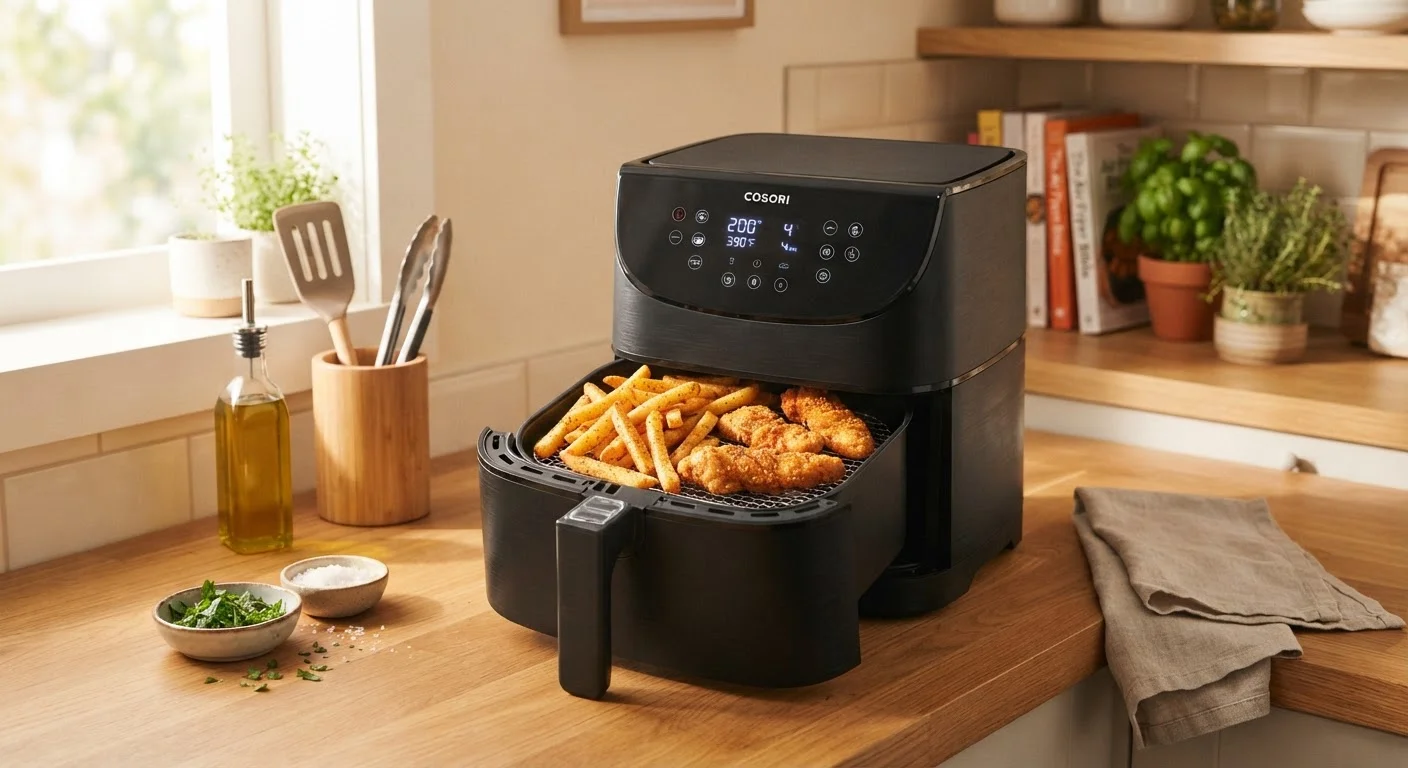
Use the right power source. Plug high-draw appliances—like air fryers or toaster ovens—directly into a grounded wall outlet rather than a daisy-chained power strip or an unrated extension cord. Voltage fluctuations and shared circuit load can degrade motor windings and control boards over time without producing immediate, obvious symptoms.
For parallel guidance on keeping other household appliances in working order, see our article on maintaining cleaning appliances. The core principles—regular filter checks, seal inspection, and load management—translate directly to countertop devices.
Extension Cords and Power Strips Carry Real Risk
High-wattage countertop appliances—particularly air fryers, toaster ovens, and espresso machines—should not share circuits via power strips or lightweight extension cords. The sustained draw of these appliances can exceed the cord's rated amperage, generating heat at the connection point. Always check the appliance's wattage rating against the outlet and cord specifications before use.
New to outfitting a kitchen from scratch? The first-time kitchen appliance guide offers a grounded framework for prioritizing what you buy and understanding how each appliance category works before investing in one.