Why This Checklist Matters Before You Buy
Countertop appliances are among the most frequently returned household purchases — not because they malfunction out of the box, but because buyers discover after the fact that the unit doesn't fit the space, overloads a circuit, or proves awkward to use daily. A few minutes of structured evaluation before purchase prevents most of those problems.
This checklist applies to any countertop appliance category: microwaves, toaster ovens, air fryers, blenders, coffee makers, stand mixers, and more. If you're just beginning to think through your kitchen setup, the introductory kitchen appliance guide offers useful context on how to prioritize your choices before diving into specs.
Tape measure
Verify counter dimensions, cabinet clearance, and the appliance's full operating envelope before ordering.
Circuit breaker panel map or outlet tester
Identify which circuit serves your intended outlet and assess its current load capacity.
Appliance spec sheet or owner's manual
Confirm wattage, voltage requirements, dimensions, and materials before committing to a purchase.
Retailer return policy (printed or bookmarked)
Know your return window and conditions before unboxing, so you're not caught out if the unit doesn't work for your space.
The Evaluation Checklist
Work through each group below before committing to any countertop appliance. Items marked must are non-negotiable for safe, functional use. Items marked should are strongly recommended for long-term satisfaction. Nice-to-have items enhance the experience but are genuinely optional.
Space and Fit
Electrical Requirements
Materials and Build Quality
Usability and Daily Operation
Warranty and Support
High-Wattage Appliances and Older Wiring
Homes built before the 1980s may have kitchen circuits rated at 15 amps or lower, which limits the number of high-draw appliances that can run simultaneously. Running a 1,500-watt toaster oven and a coffee maker on the same circuit can repeatedly trip breakers or, in rare cases involving degraded wiring, create a fire hazard. If you're unsure of your home's circuit capacity, consult a licensed electrician before adding high-wattage countertop appliances.
Digging Deeper on Two Common Problem Areas
Wattage and Circuit Load
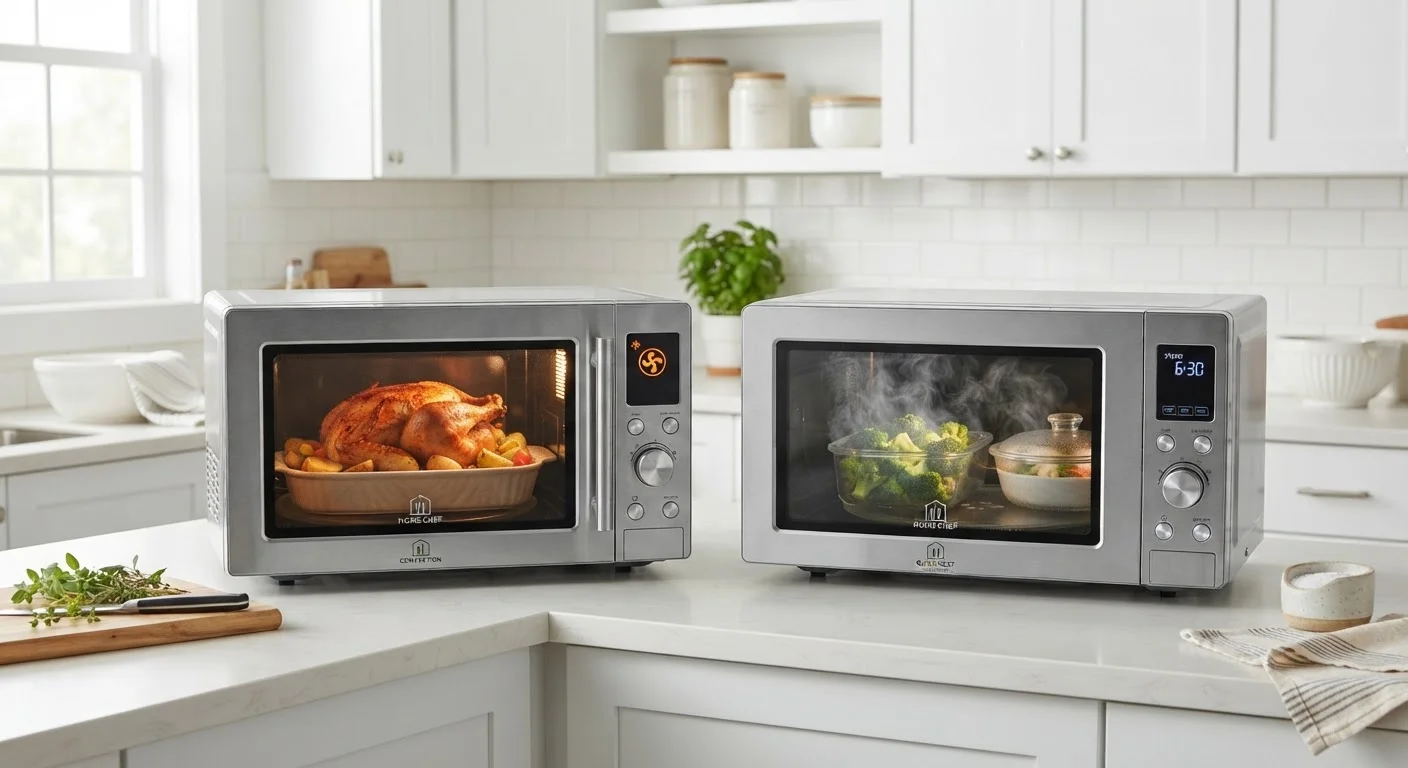
High-wattage appliances — many air fryers, toaster ovens, and electric kettles draw 1,500 watts or more — can trip breakers when shared with other devices on a standard 15-amp kitchen circuit. Check what else is already plugged into the same circuit and estimate combined draw before adding a power-hungry unit. For microwave-specific wattage considerations, the plain-English microwave feature glossary explains exactly how wattage translates to cooking performance.
Footprint vs. Usable Space
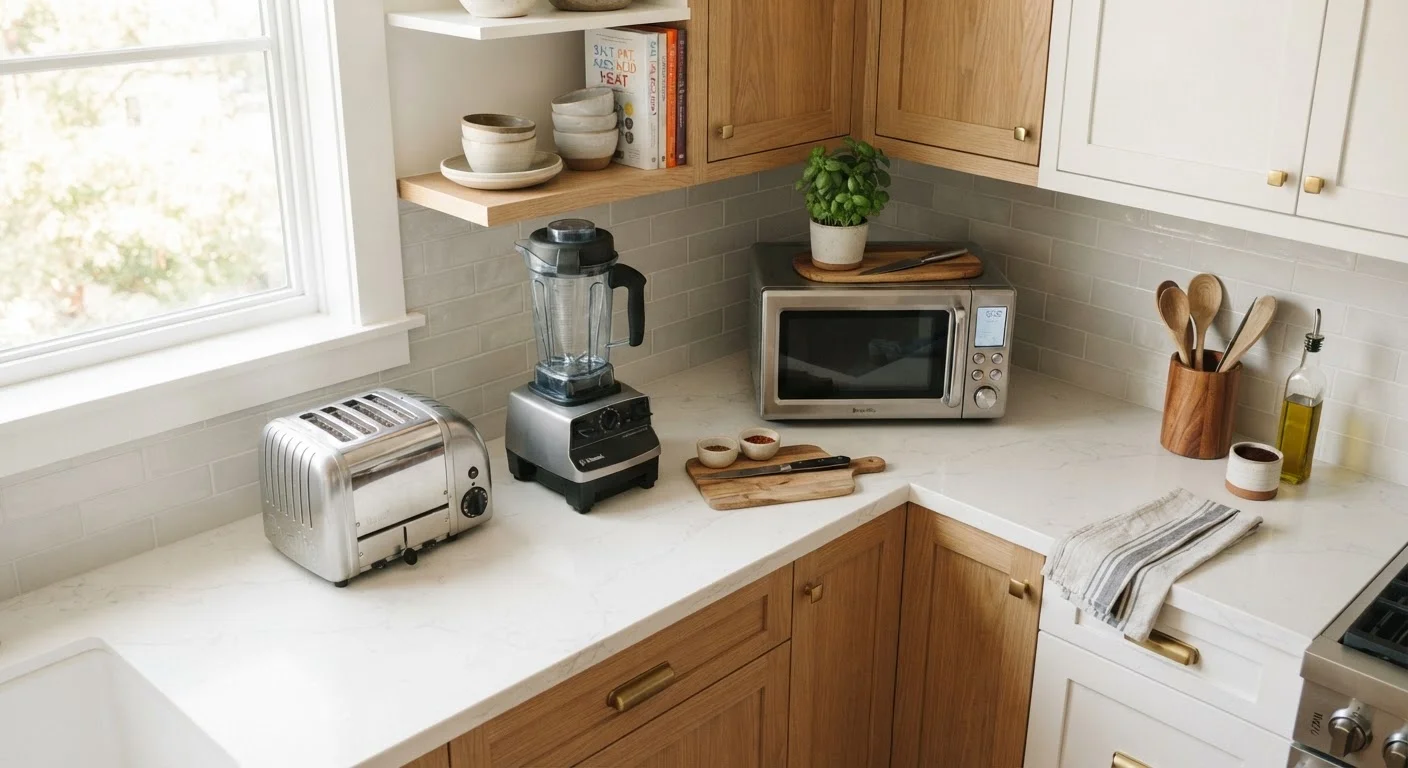
Spec-sheet dimensions describe the appliance body, not the full operating envelope. A stand mixer with a tilting head needs vertical clearance above it; a countertop oven needs several inches of rear and side clearance for heat dissipation. Measure twice — height to the underside of upper cabinets, depth from wall to counter edge, and width of the intended zone — before ordering.
Understanding how appliances fit into a broader spatial plan is a skill that transfers beyond the kitchen. The principles behind verifying clearance before a washer or dryer delivery are directly analogous: measure the space, not just the product.
Never Block Ventilation on Heat-Producing Appliances
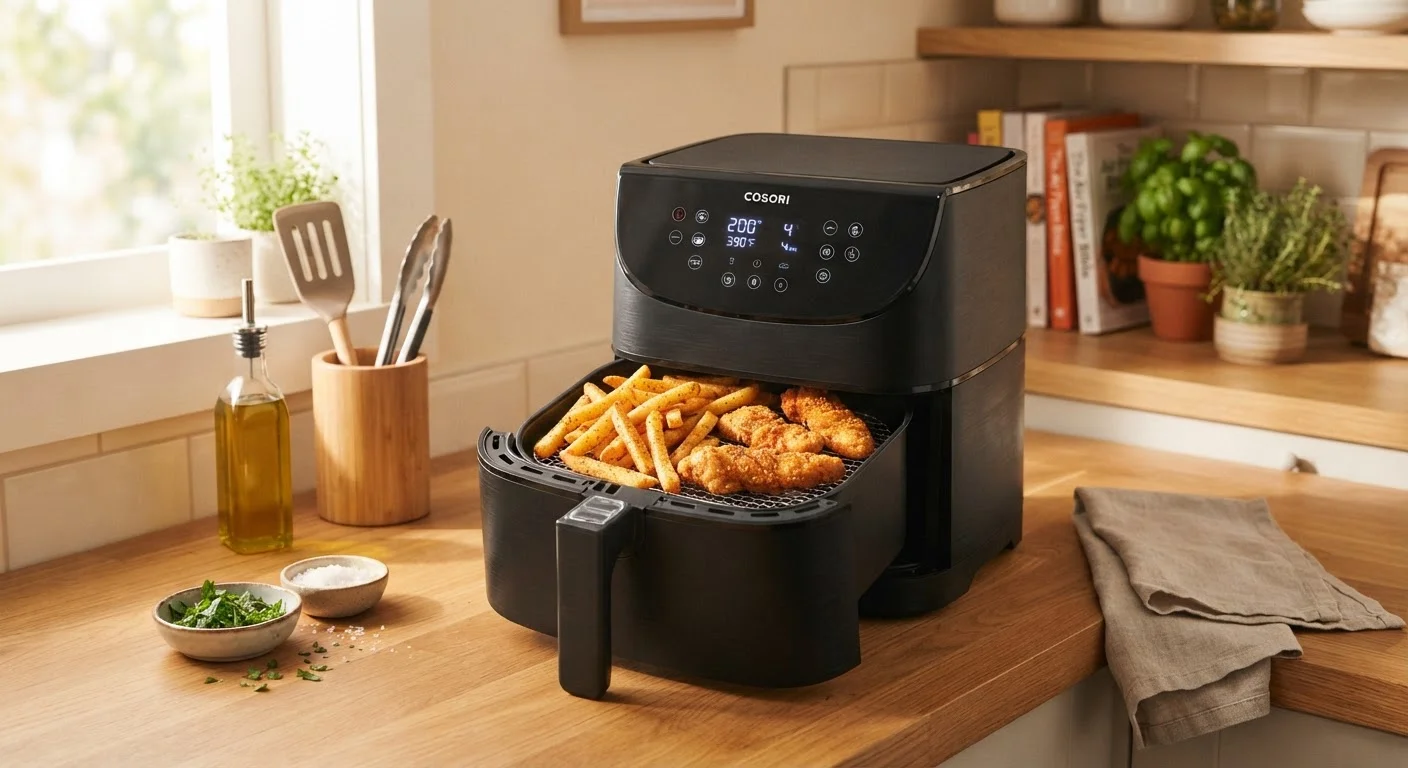
Countertop ovens, air fryers, and similar appliances require several inches of open clearance on all sides and above to exhaust heat safely. Placing them flush against a wall, under a cabinet with insufficient headroom, or next to flammable materials such as paper towels or curtains creates a genuine fire risk. Always follow the minimum clearance distances specified in the appliance's installation instructions — these are safety requirements, not suggestions.
After the Checklist: What to Keep in Mind Long-Term
Even a well-chosen appliance will underperform or fail early if it's used and maintained carelessly. Overloading motor-driven appliances, blocking ventilation slots, and ignoring early signs of wear are among the most common causes of premature failure. The guide to why countertop appliances stop working early outlines the specific habits that extend useful life across categories.
Finally, keep your purchase receipt and any warranty registration documentation accessible. Warranty terms vary widely — some cover parts only, others include labor — and knowing what's covered before something goes wrong saves time and frustration later.