The Nail Matrix: Where Growth Really Begins
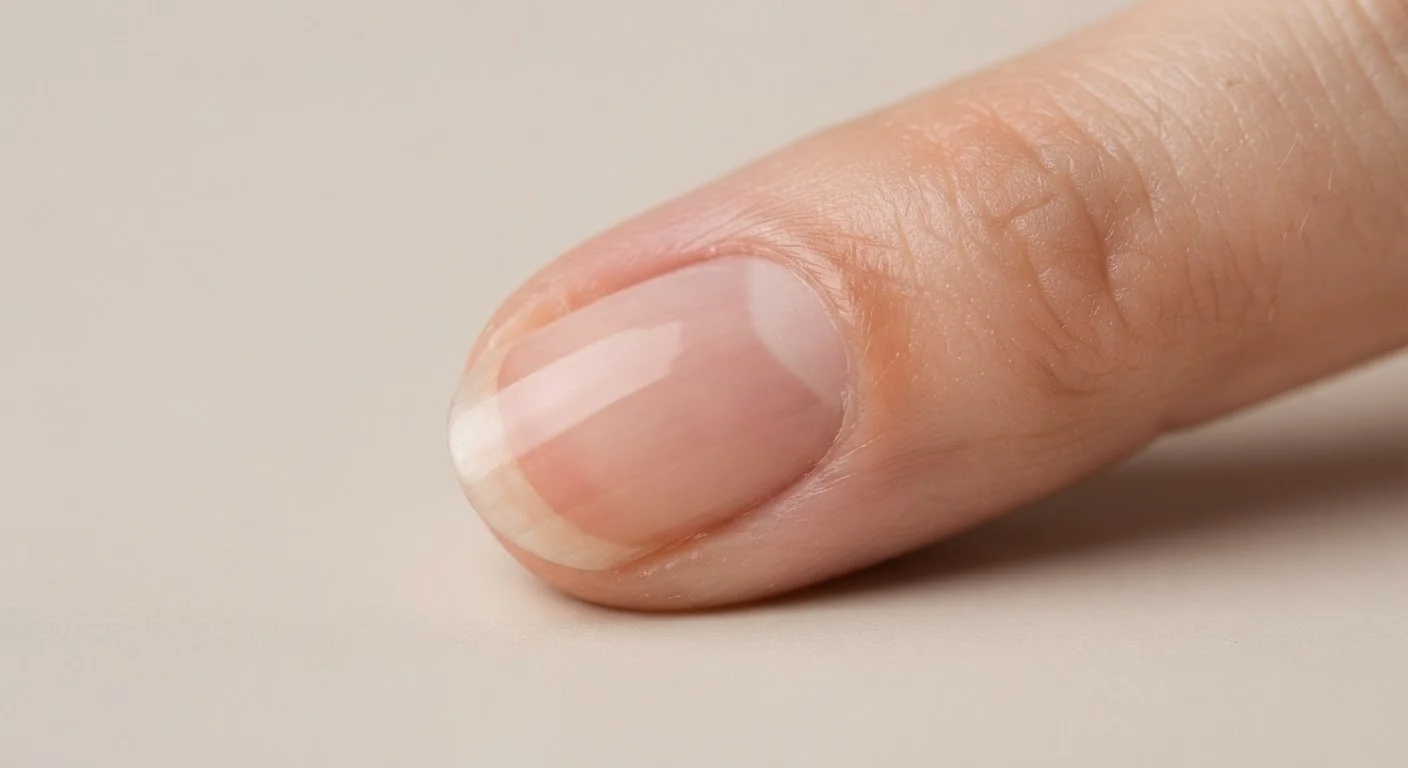
Everything about your nail starts in the nail matrix — a region of specialized cells tucked beneath the skin at the base of your nail. The matrix continuously produces keratinocytes (keratin-producing cells), which stack up, flatten, and harden as they're pushed forward, eventually becoming the visible nail plate. You can't see the matrix directly, but you can see its most forward edge: the pale, crescent-shaped lunula.
Because the matrix is living tissue, it's also the most vulnerable part of your nail structure. A significant impact or chronic pressure on the base of the nail — think tight shoes on toenails — can disrupt matrix function, sometimes resulting in ridges, pitting, or permanently altered nail shape. This is why nail care that focuses only on the visible plate misses a foundational piece of the picture.
Protect the Base of Your Nail
The nail matrix sits just beneath the skin at the base of the nail — a spot that's easy to overlook in everyday care. Avoid aggressive pushing or instrument pressure in this area during manicures. Even seemingly minor trauma repeated over time can affect the matrix and alter how new nail plate grows in.
The Nail Plate, Nail Bed, and What Connects Them
The nail plate is the hard, flat surface most people think of as "the nail." It's composed of tightly packed, dead keratin cells — which is why trimming it doesn't hurt. Despite being hard, the nail plate is slightly flexible and semi-permeable, meaning water can pass through it. This is partly why extended water exposure weakens nails over time, as discussed in our article on keeping nails strong through seasonal changes.
Beneath the nail plate lies the nail bed — living skin tissue that adheres to the underside of the plate and gives healthy nails their characteristic pinkish hue via underlying capillaries. Two structural grooves called lateral nail folds run along the sides, anchoring the plate in place. At the free edge, where the nail separates from the bed, the hyponychium forms a tight seal that blocks contaminants from sneaking under the nail.
Nail Permeability and Water Exposure
The nail plate can absorb and lose water, which temporarily makes it softer and more pliable. Frequent wetting and drying cycles — such as repeated hand-washing without moisturizing — can stress the plate over time, contributing to brittleness and peeling. Applying a hand cream or nail-specific oil after washing helps support the nail's moisture balance.
The Cuticle: Small Barrier, Big Job
The cuticle (technically the eponychium) is the thin strip of skin that overlaps the base of the nail plate. Its entire purpose is to seal the junction between the nail plate and the nail fold, preventing bacteria, fungi, and moisture from reaching the matrix below. It's one of the most functionally important — and most misunderstood — parts of nail anatomy.
Cutting the cuticle removes this seal. While trimmed cuticles may look neater in the short term, the exposed area is more susceptible to infection and inflammation (paronychia). Most nail care professionals now recommend gently pushing back softened cuticles rather than removing them. For a deeper look at how cuticle care myths have persisted, see our piece on nail care myths that won't go away.
Reading Your Nails: What Changes in Appearance Can Signal
Because the nail plate is produced by living tissue and influenced by blood supply, changes in nail appearance sometimes reflect broader health patterns. Horizontal ridges (Beau's lines) can follow periods of significant physical stress. Vertical ridges are more common with age and are usually benign. Persistent discoloration, separation of the nail from the bed (onycholysis), or dramatic texture changes are worth discussing with a healthcare provider — they should never be self-diagnosed or ignored.
Understanding nail anatomy makes it easier to interpret what you're seeing. If peeling is your recurring concern, our dedicated article explores why nails keep peeling and what's behind it. And if you're ready to put this knowledge into practice, building a simple nail care routine from scratch walks through the essentials in plain language.
~3 mm
Average monthly fingernail growth rate
According to general dermatological literature, fingernails grow approximately 3 millimeters per month, meaning a full nail plate replaces itself roughly every 4–6 months.
~1 mm
Average monthly toenail growth rate
Toenails grow significantly more slowly than fingernails — roughly 1 millimeter per month — which is why toenail conditions can take longer to resolve.
This article is for general informational purposes only and is not a substitute for professional medical or dermatological advice. If you notice significant or persistent changes in your nails, consult a qualified healthcare professional.