Why Peeling Nails Deserve a Closer Look
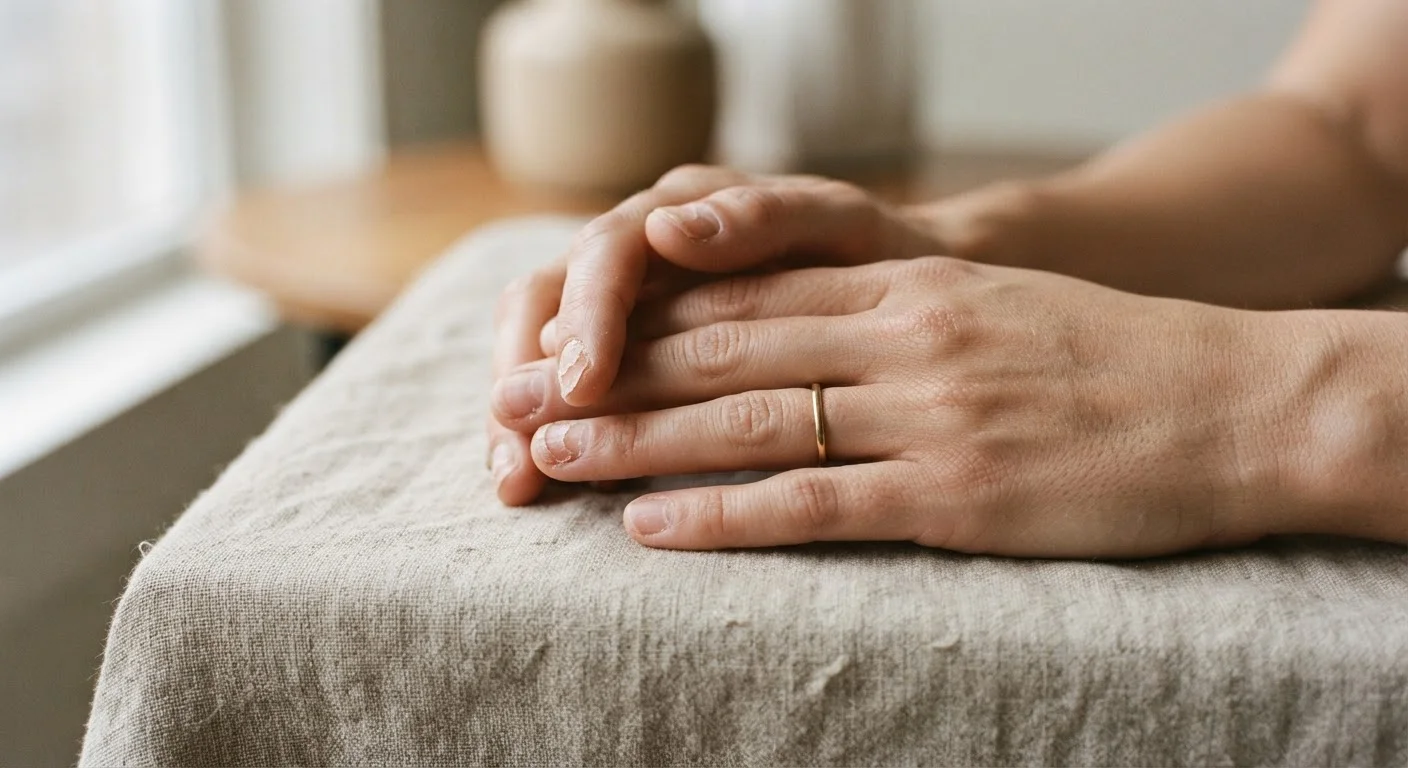
Peeling nails — technically called onychoschizia — are so common that many people accept them as an unavoidable feature of their nails. They're not. In most cases, the peeling is a direct response to repeated stresses that erode the nail plate's layered structure. The nail plate is made up of compressed keratin layers, and when those layers separate at the free edge, you're looking at a disruption of the bonds holding them together.
Understanding why this happens is the first step toward actually stopping it. Chronic peeling is almost always traceable to a pattern — a habit, an environmental factor, or a gap in routine — rather than an unchangeable trait. The mistakes outlined below are among the most common culprits, and correcting even two or three of them can produce noticeable improvement over the course of a nail growth cycle.
For a broader look at how daily habits affect nail structure and integrity, building a simple nail care routine from scratch is a useful next step.
The Most Common Mistakes That Cause Peeling
Most nail peeling traces back to a handful of repeated errors in how nails are treated day to day. These aren't obscure mistakes — they're habits that feel harmless in the moment but accumulate into real structural damage over weeks and months.
Repeatedly wetting and drying nails without rehydrating them afterward.
Why it happens: Dishwashing, frequent handwashing, and swimming cause nails to expand and contract with water absorption — a cycle that breaks down the nail's layered structure over time.
Filing nails in a back-and-forth sawing motion.
Why it happens: It feels faster and more efficient, but this technique creates micro-tears along the nail edge that propagate upward as peeling layers.
Peeling off gel or acrylic enhancements instead of soaking them off properly.
Why it happens: Impatience and convenience lead many people to pick or peel product off — which physically removes the uppermost layers of the natural nail plate along with it.
Ignoring cuticle care or cutting cuticles aggressively.
Why it happens: Cuticles are often seen as purely cosmetic, so they're either ignored or trimmed back too far — both of which compromise the nail's protective seal.
Overlooking nutritional gaps that affect nail structure.
Why it happens: Nail peeling is so commonly associated with topical causes that dietary contributors — particularly low iron, biotin, or protein intake — often go unconsidered.
Acetone Use: More Damage Than You Think
Acetone-based nail polish removers are highly effective at dissolving polish, but they also strip the natural oils and moisture from the nail plate. Using them frequently — or soaking nails for extended periods — accelerates peeling and thinning. If you use nail polish regularly, consider spacing out removal sessions and following up with a nourishing oil or cream.
Seasonal changes also play a role that often goes unnoticed. Cold, dry air in winter strips moisture from the nail plate, while humid summers can cause nails to swell and weaken. Keeping nails strong through seasonal changes offers targeted guidance for adapting your routine year-round.
It's also worth noting that nail behavior can sometimes mirror what's happening with your skin. If you're simultaneously dealing with dryness or sensitivity in your skincare routine, your skin may be reacting to similar stressors worth examining together.
20%
Adults affected by nail fragility issues
Research published in dermatology literature estimates that onychoschizia (lamellar nail splitting/peeling) affects roughly 20% of the population at some point.
3–6 months
Time for a full nail plate to grow out
According to the American Academy of Dermatology, fingernails grow approximately 3.5 mm per month, meaning full regrowth takes several months after damage.
What Actually Helps — and What to Realistically Expect
Correcting peeling nails requires patience because nails grow slowly. Improvements in habit and routine won't show dramatic results overnight; they become visible as new, healthier nail plate grows out from the matrix. A realistic timeline is two to three months before meaningful change is evident.
The most consistently helpful interventions are also the least glamorous: daily cuticle oil application, protective gloves during wet work, one-directional filing with an appropriate grit, and spacing out chemical exposure from polish removers. These changes don't require a product overhaul — they require consistency.
When to See a Professional
Peeling nails are usually a care or lifestyle issue, but sudden, significant changes in nail texture, color, or structure can sometimes signal an underlying health condition. If your nails change abruptly or don't respond to improved habits after several weeks, consult a dermatologist or healthcare provider. This article is for general informational purposes and is not a substitute for personalized medical advice.
For readers who want to go further, nail care myths worth addressing can help separate habits that actually matter from ones that are more folklore than fact.
This article is for general informational purposes only and is not a substitute for personalized medical advice. If you have concerns about changes in your nails or overall health, consult a qualified healthcare professional.