How Each Method Works at the Skin Level
Exfoliation accelerates the removal of dead skin cells from the outermost layer of skin, the stratum corneum. But how each method achieves that goal differs significantly — and those differences translate into real outcomes for your skin.
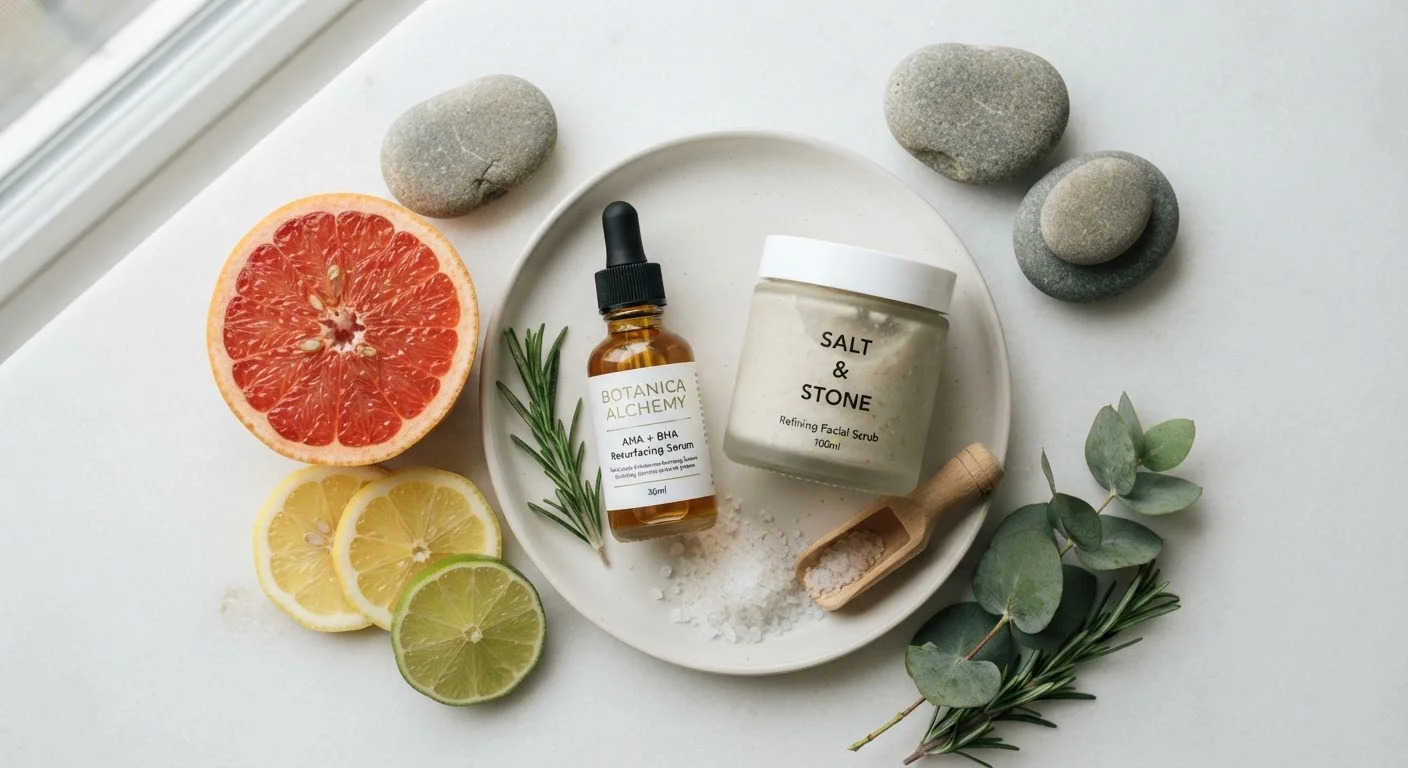
Chemical exfoliants use active ingredients — typically acids or enzymes — to loosen the bonds holding dead cells together. Alpha hydroxy acids (AHAs) like glycolic and lactic acid work primarily on the skin's surface, making them effective for addressing texture, dullness, and uneven tone. Beta hydroxy acids (BHAs), most commonly salicylic acid, are oil-soluble, meaning they can penetrate the pore lining to help clear congestion from within. Enzyme exfoliants, often derived from papaya or pineapple, offer a gentler dissolution with minimal acid activity.
Physical scrubs work through mechanical abrasion — the gritty particles (sugar, salt, ground walnut shell, synthetic beads) physically dislodge dead cells when massaged across the skin. The results are immediate and tactile, which many people find satisfying. However, the outcome depends heavily on the particle shape, size, and application pressure.
Understanding your skin type versus current skin condition is a useful first step before committing to either approach — what your skin needs in a bout of dryness may differ from what it needs long-term.
| AHA (e.g., Glycolic, Lactic Acid) | BHA (e.g., Salicylic Acid) | Physical Scrub | |
|---|---|---|---|
| Mechanism | Dissolves surface cell bonds | Penetrates and clears pores | Manual abrasion of dead cells |
| Primary skin concerns | Dullness, texture, uneven tone | Acne, blackheads, congestion | General texture, instant smoothness |
| Skin type suitability | Most types; gentle options for sensitive | Oily, acne-prone | Normal to oily; caution on sensitive |
| Irritation risk | Moderate; concentration-dependent | Lower; anti-inflammatory properties | Higher with jagged particles or pressure |
| Sun sensitivity increase | Yes — SPF required | Minimal | No |
| Frequency (face) | 2–3x per week | 2–3x per week | 1–2x per week |
The Risk Profile: Where Each Method Can Go Wrong
Both exfoliation types carry risks when misused, but they tend to fail in different ways.
Physical scrubs are more prone to causing micro-tears — tiny abrasions in the skin surface — especially when particles have irregular, jagged edges (as some ground-nut shell scrubs do). Aggressive pressure compounds this. Inflamed or acne-prone skin is particularly vulnerable; rubbing active blemishes with a scrub can spread bacteria and worsen breakouts.
Avoid Scrubbing Active Breakouts
Using a physical scrub over inflamed pimples or active acne can rupture blemishes and spread bacteria across the skin, potentially worsening the breakout. On days when skin is irritated, inflamed, or compromised, skip mechanical exfoliation entirely and consider a calming, non-exfoliating cleanser instead.
Chemical exfoliants are generally more controllable, but they carry their own risks. Using too high a concentration too often — or layering multiple acids in one routine — can compromise the skin barrier, leading to redness, sensitivity, and increased susceptibility to UV damage. AHAs in particular increase photosensitivity, making sunscreen non-negotiable on days you use them.
Over-exfoliation with either method presents a paradox: the skin may produce more oil in response to barrier disruption, mimicking the oiliness that prompted heavy exfoliation in the first place. If your skin is reacting unexpectedly after starting an exfoliation step, see our guide on what's likely going wrong.
Fitting Exfoliation Into Your Routine
Where exfoliation sits in your routine matters as much as which type you choose.
Chemical exfoliants are typically applied after cleansing and before serums or moisturizers. Toner-format AHAs and BHAs can be used two to three times per week for most people, while stronger leave-on formulas may require less frequent use. Always follow with SPF in the morning.
Physical scrubs generally replace your cleanser step and should be used no more than one to two times per week on the face. They are more appropriate for body skin, which is thicker and more resilient than facial skin.
Start Low, Go Slow With Acids
If you're new to chemical exfoliants, begin with a lower concentration — lactic acid around 5% or salicylic acid at 0.5–1% — used no more than twice a week. Give your skin at least two to four weeks to adjust before increasing frequency or strength. Layering multiple exfoliating acids in a single routine is rarely beneficial and significantly raises the risk of irritation.
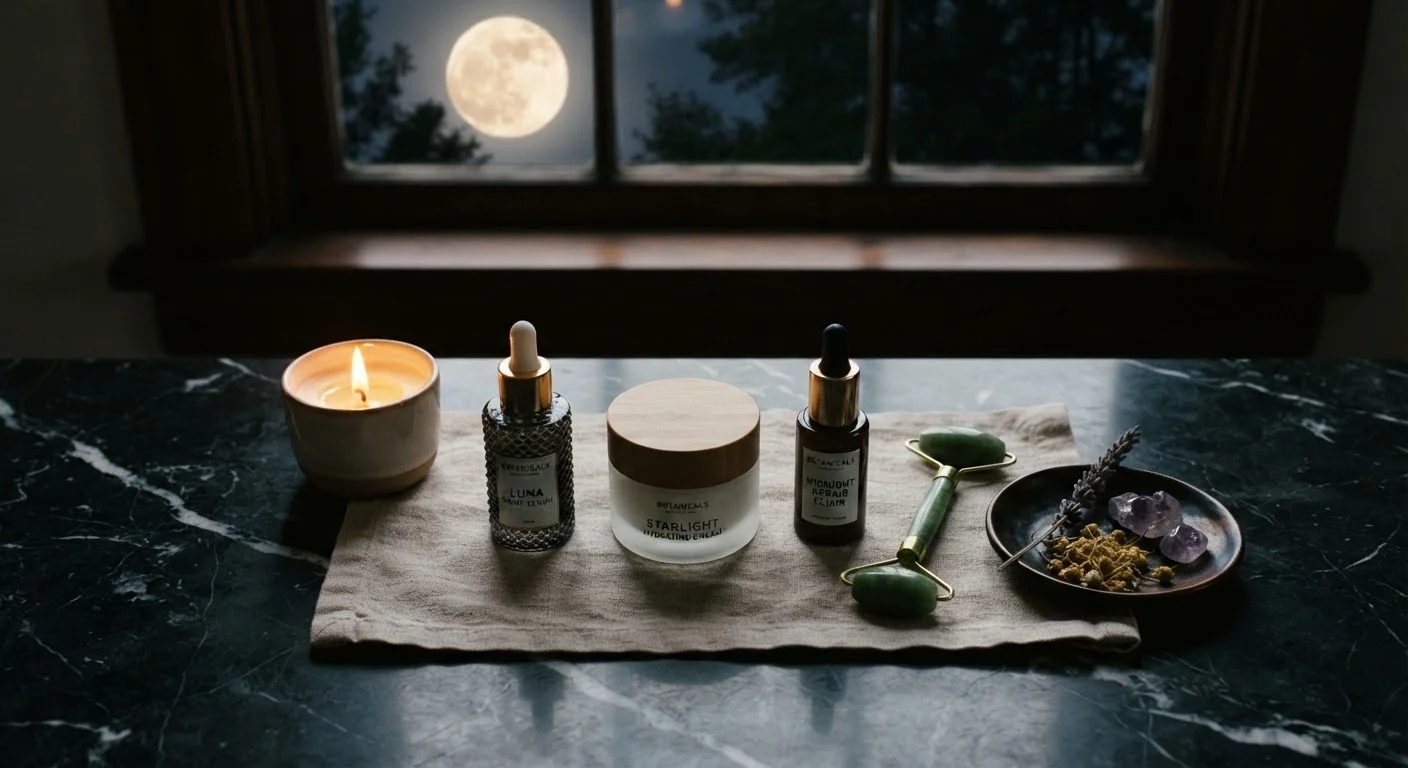
Nighttime is generally considered the better window for chemical exfoliation — skin undergoes natural repair processes while you sleep, and you avoid immediate sun exposure after application. Our overview of nighttime skincare principles explains why the PM routine often does heavier lifting in a well-built regimen.
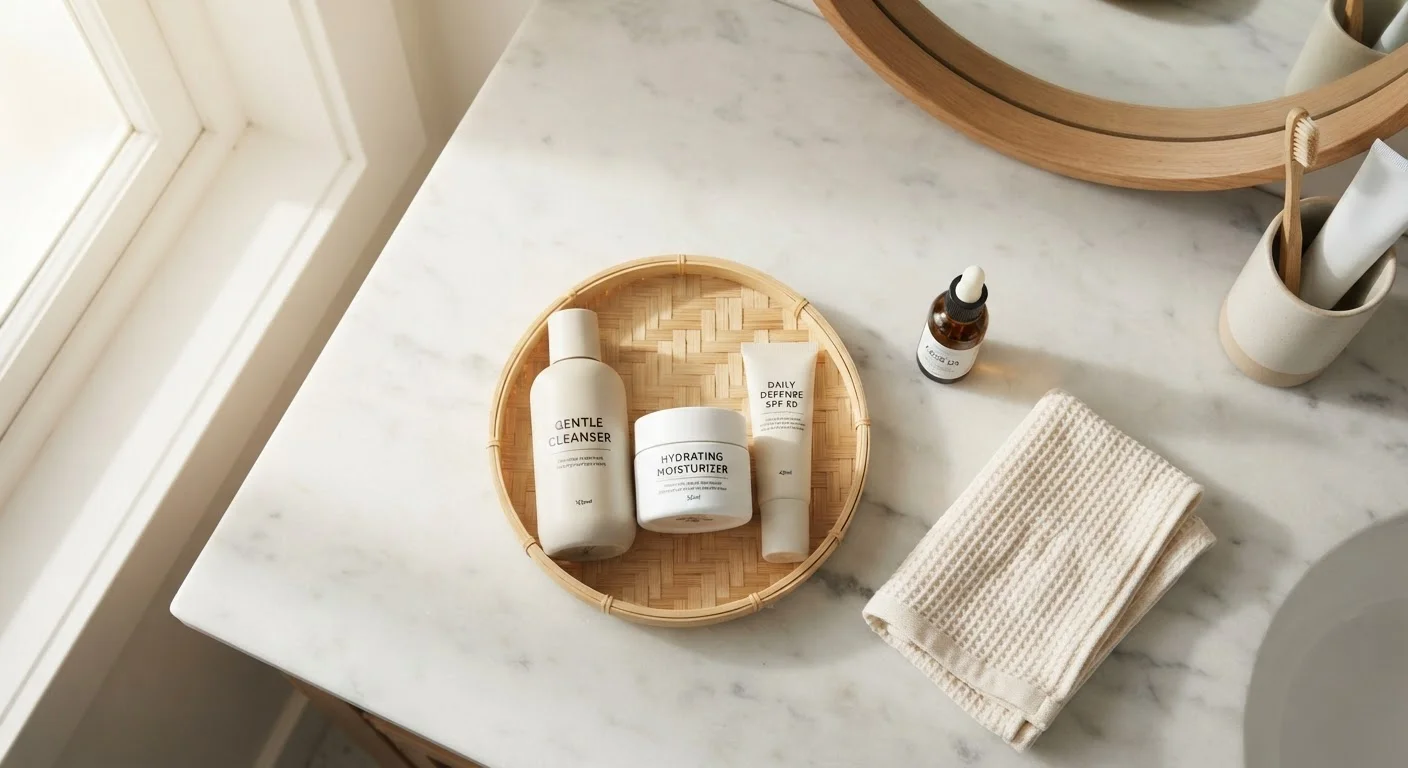
If you're building your routine from the ground up, the morning skincare routine guide walks through how each step earns its place — useful context for understanding where exfoliation fits alongside cleansers, serums, and SPF.
This article is for informational purposes only and is not a substitute for advice from a qualified dermatologist or skincare professional. Consult a professional if you have a skin condition or are unsure which products are appropriate for your needs.