The Core Distinction: Permanent Blueprint vs. Shifting State
Most people learn to label their skin early — oily, dry, combination, sensitive — and carry that label into every product decision they make for years. The problem is that the label often conflates two fundamentally different things: what your skin is by nature, and what your skin is doing right now in response to the world around it.
Skin type is determined largely by genetics. It governs how much sebum your sebaceous glands produce, how tightly your skin barrier holds onto moisture, and how reactive your immune system is at the skin's surface. These characteristics are relatively stable from your mid-twenties onward and form the true baseline for your routine.
Skin conditions, by contrast, are temporary or manageable states that sit on top of your type. Dehydration, breakouts, sensitivity flares, hyperpigmentation, and barrier disruption can all occur regardless of your underlying skin type — and each responds to different interventions. Treating a condition as though it were your permanent type is one of the most common reasons people end up using products that work against their skin.
| Criterion | Skin Type | Skin Condition |
|---|---|---|
| Origin | Genetic, largely fixed | Environmental, behavioral, hormonal |
| Stability | Stable across adulthood | Temporary or cyclical |
| Examples | Oily, dry, combination, normal | Dehydration, breakouts, sensitivity flares, hyperpigmentation |
| Routine role | Defines your foundation products | Guides adaptive, targeted add-ons |
| How often it changes | Rarely — gradual shifts with age | Seasonally, weekly, or in response to triggers |
| Product response | Consistent long-term formulas | Short-term targeted treatments |
Why the Confusion Happens — and What It Costs You
Imagine someone with an oily skin type who begins experiencing tightness and flakiness in winter. The instinctive response is to switch to a richer, creamier moisturizer and assume their skin type has changed. But oily skin can absolutely become dehydrated — meaning it lacks water content, not oil. Piling on heavier occlusive products may actually clog pores and worsen breakouts, while the real fix — a lightweight humectant like hyaluronic acid — addresses the actual condition without disrupting the type-appropriate routine.
The same logic applies in reverse. Someone with genuinely dry skin who suddenly breaks out may assume they've become oily and reach for stripping cleansers, accelerating barrier damage and inflammation. The breakout may be a stress response, a product reaction, or a hormonal fluctuation — all conditions, not evidence of a new skin type.
67%
Adults who misidentify their skin type
Dermatology research consistently suggests a majority of consumers self-diagnose their skin type incorrectly, often confusing temporary conditions for permanent characteristics.
4+
Common triggers for skin condition changes
Stress, diet, climate changes, and new product ingredients are among the most frequently documented triggers for temporary shifts in skin behavior.
Misreading your skin this way compounds over time. Products chosen for the wrong category can weaken your moisture barrier, increase sensitivity, and create a cycle of over-correction. If you notice your skin consistently reacting to product changes, our guide to common routine missteps walks through the most frequent causes.
How to Build a Routine That Accounts for Both
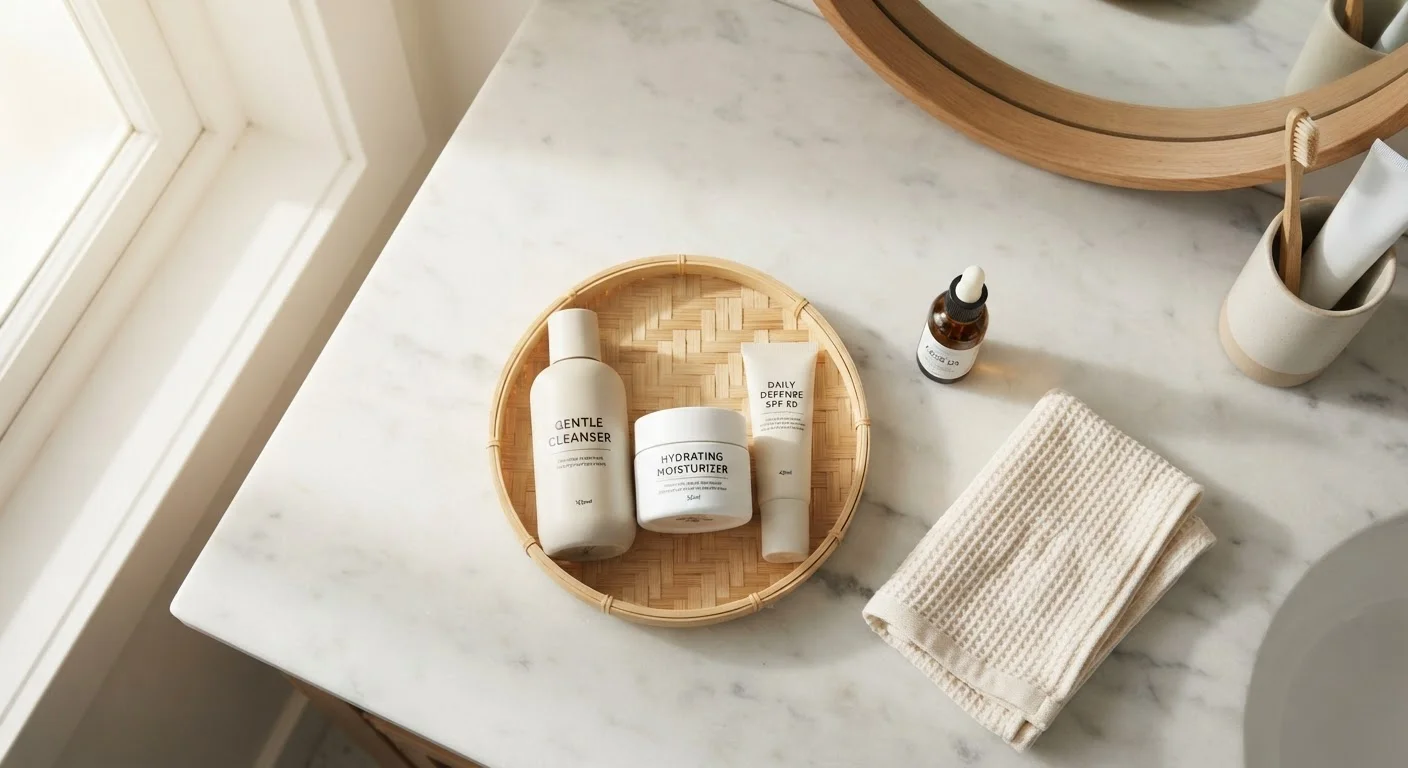
Think of your skincare routine in two layers. The foundation layer is built around your skin type and stays consistent year-round: a cleanser appropriate for your sebum level, a moisturizer calibrated to your barrier needs, and broad-spectrum SPF every morning. These products don't change because your skin type doesn't change.
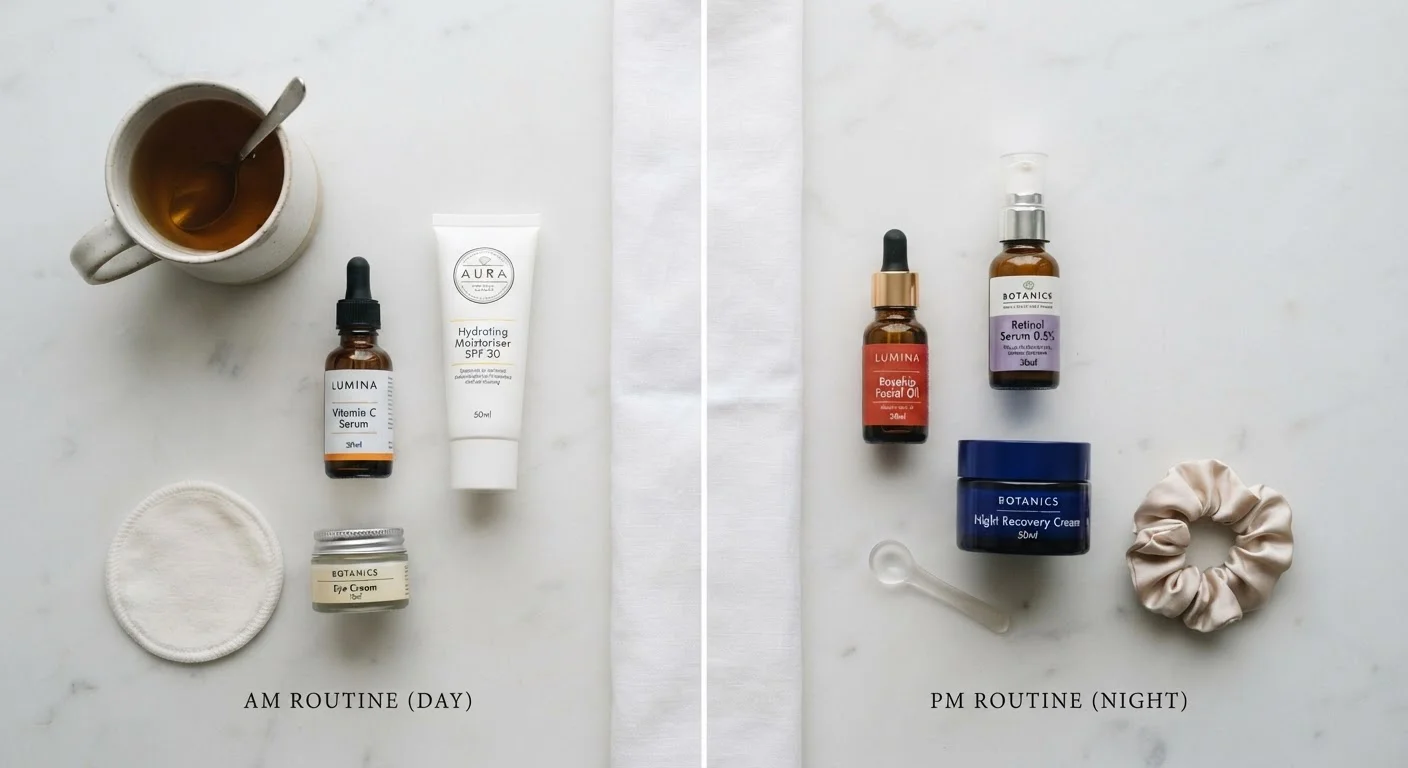
The adaptive layer responds to current conditions. In summer, you might add a salicylic acid treatment to manage increased oil and congestion. In winter, you layer a hydrating serum beneath your standard moisturizer to counteract environmental water loss. If hyperpigmentation appears after sun exposure, a targeted ingredient like niacinamide or vitamin C addresses the condition without replacing anything structural in your routine. For guidance on how exfoliation fits into each scenario, see our comparison of chemical exfoliants and physical scrubs.
Sensitive Skin: Type or Condition?
Sensitivity is one of the most debated labels in skincare. For some people, heightened reactivity is a fixed trait tied to a thinner skin barrier or immune responsiveness — making it a true skin type characteristic. For others, sensitivity is a temporary condition triggered by over-exfoliation, allergens, or a disrupted barrier. Distinguishing which applies to you matters: if sensitivity is constant and baseline, your entire routine should be built around calming, minimal-ingredient products. If it's a recent development, the trigger — not your skin type — is what needs addressing.
Your nighttime routine is often where condition-targeted ingredients do their most effective work, since the skin's repair processes are most active during sleep. The principles behind an effective PM routine can help you place condition-focused actives where they'll perform best.
When skin changes are persistent, unusual, or accompanied by discomfort, they may indicate a diagnosable condition rather than a routine-level issue. Resources like commonly misidentified skin conditions can help you recognize when professional evaluation is the right next step. This article is for general informational purposes only and is not a substitute for advice from a licensed dermatologist or healthcare professional.