Why Nighttime Is Different for Your Skin
Skin isn't passive while you sleep. Research in chronobiology — the study of biological timing — indicates that skin cell mitosis (division) and repair processes peak during the overnight hours. Your body also produces more growth hormone during deep sleep, which supports tissue regeneration. Meanwhile, the skin's barrier function shifts: trans-epidermal water loss (TEWL), the rate at which moisture escapes through the skin's surface, tends to increase at night, making adequate hydration a PM priority.
During the day, skin is in a largely defensive mode — managing UV exposure, pollution, and oxidative stress. After dark, it transitions into a recovery and rebuilding phase. A well-constructed evening routine works with that biological shift, not around it.
This is also why your PM routine looks meaningfully different from your AM one. For a grounded comparison, see Building a Morning Skincare Routine from the Ground Up, which walks through what belongs in your daytime regimen and why.
Best Practices for an Effective Evening Routine
These principles apply regardless of your skin type or budget. They're based on how skin physiology and ingredient science interact — not on any particular product line.
Always double-cleanse if you wore makeup, SPF, or spent time outdoors.
A single cleanse often leaves behind oil-based residue from sunscreen and foundation, which can clog pores and impair the absorption of active ingredients applied afterward. Double cleansing — beginning with an oil-based cleanser, followed by a water-based one — ensures the skin surface is genuinely clean. This matters more at night because subsequent products need clear access to the skin.
Apply any active ingredients (retinoids, exfoliating acids) before your moisturizer, not after.
Actives need skin contact to function — layering a rich moisturizer underneath them reduces delivery and may dilute the effect. At the same time, applying actives to completely dry skin can increase irritation risk, especially with retinoids. Timing and sequence matter significantly here.
Use a richer moisturizer or facial oil at night than you would during the day.
Because TEWL increases overnight and there's no makeup or SPF to layer on top, the evening is the right time for heavier emollients and occlusives. These ingredients slow moisture loss from the skin's surface and support barrier recovery while you sleep — without causing the heaviness or shine that would be inconvenient during daytime.
Keep your routine consistent in timing, not just in products.
Skin operates on circadian rhythms, and those rhythms are influenced by behavioral consistency. Going to bed — and completing your skincare — around the same time each night may support more predictable skin behavior over time. This aligns with broader evidence on the role of routine in health outcomes. Why Consistency Beats Duration in Sleep Health explores this principle in the context of overall sleep quality.
Skip SPF at night, but don't skip it in the morning.
SPF has no meaningful function at night and adds unnecessary texture and weight to a PM routine. Omitting it in the evening is correct. However, any photosensitizing PM ingredient (retinoids, AHAs, BHAs) makes diligent morning SPF application the next day non-negotiable. The nighttime and daytime routines are linked in this way.
For guidance on how to sequence these steps so each product can absorb effectively, The Logic Behind Layering Skincare Products breaks down the order-of-application reasoning in full.
Ingredients That Belong at Night (and Why)
Certain skincare ingredients are best reserved for evening use — not because they're dangerous in daylight, but because they either degrade in UV exposure, increase photosensitivity, or simply work more efficiently when skin is in repair mode.
~23:00–02:00
Peak window for skin cell mitosis
Circadian biology research suggests skin cell division activity reaches its highest point in the late evening to early morning hours in most adults.
Up to 25%
Increase in TEWL during sleep
Studies on skin barrier function suggest trans-epidermal water loss can increase measurably overnight compared to waking hours, underscoring the value of PM moisturization.
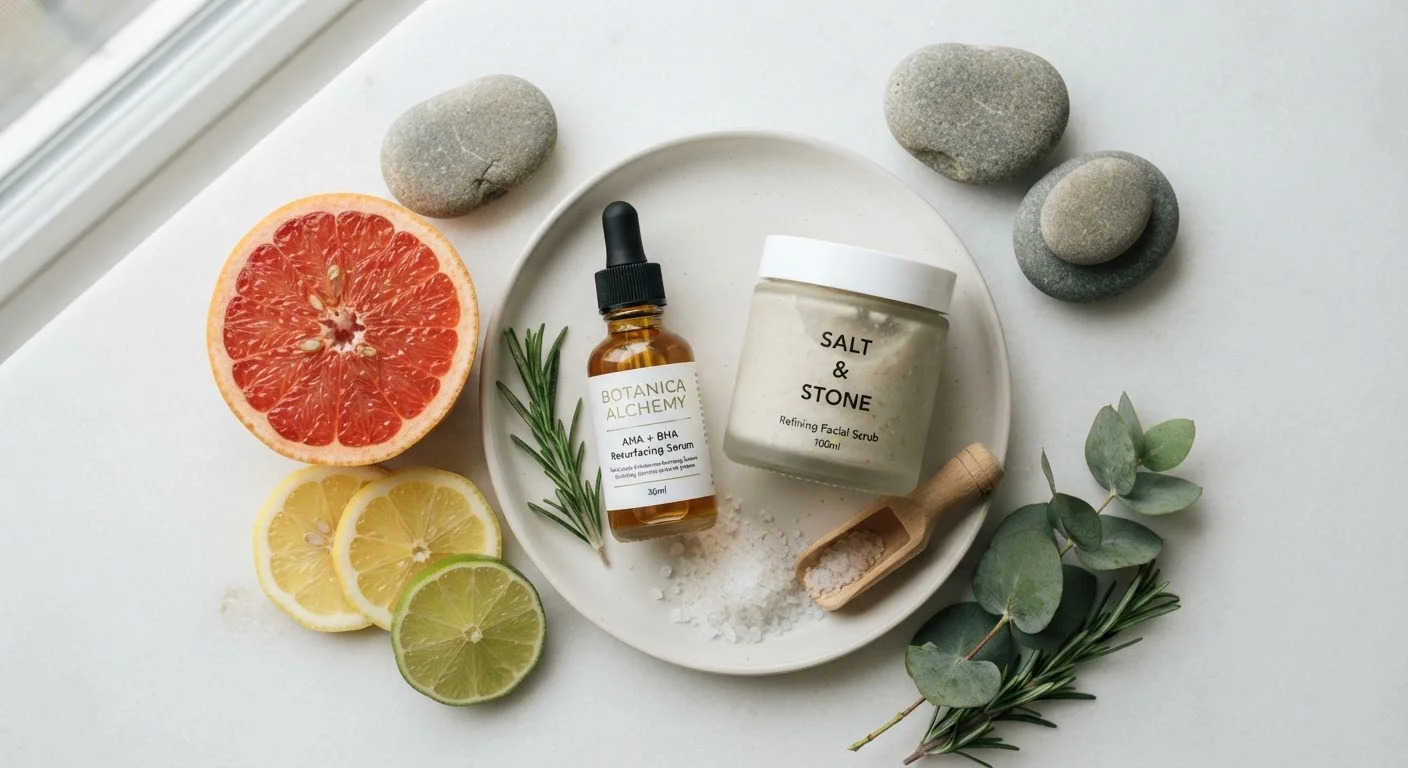
Retinoids (vitamin A derivatives) are the clearest example: they break down in sunlight and can increase sun sensitivity, making nighttime application the right call. Similarly, many chemical exfoliants — particularly AHAs like glycolic and lactic acid — are better suited to PM use for the same reasons. For a deeper look at how AHAs and BHAs work at the skin level, see Chemical Exfoliants vs. Physical Scrubs.
Heavier emollients and occlusive ingredients (like shea butter, squalane, or petrolatum-based balms) are also a strong fit for nighttime, since they won't interfere with makeup or SPF and can work uninterrupted for hours.
A Note on Retinoid Sensitivity
Retinoids are well-studied and broadly effective, but they can cause dryness, flaking, and irritation — especially when first introduced. Starting with a lower-concentration formulation and using it just two or three nights per week before building frequency is a commonly recommended approach. If you have sensitive skin, a history of eczema, or are pregnant, consult a dermatologist before adding a retinoid to your routine.
If you're starting a new PM routine and notice irritation or breakouts within the first few weeks, you're not alone. Your Skin Is Reacting — Here's What's Likely Going Wrong covers the most common missteps and how to adjust.
Quick Wins to Start Tonight
You don't need to overhaul your entire routine to benefit from smarter PM skincare. These are the highest-leverage changes most people can make immediately.
This article is for informational purposes only. It is not a substitute for advice from a licensed dermatologist or healthcare provider. Individuals with skin conditions, sensitivities, or concerns about specific ingredients should consult a qualified professional before making changes to their skincare regimen.