Why Sequence Is the Foundation of an Effective Routine
Most people think of a skincare routine as a checklist — cleanser, serum, moisturizer, done. But the order those products are applied in is what separates a routine that works from one that merely feels productive. Skin is a physical barrier. Products don't pass through it automatically; they need the right conditions to penetrate to the layers where they're intended to act.
The fundamental principle is straightforward: apply products from the thinnest consistency to the thickest. Water-based toners and lightweight serums go on before creams and oils. Heavier formulas form a partial seal over the skin's surface, which means anything applied after them may not be able to reach the skin barrier effectively. Sequence determines absorption — and absorption determines results.
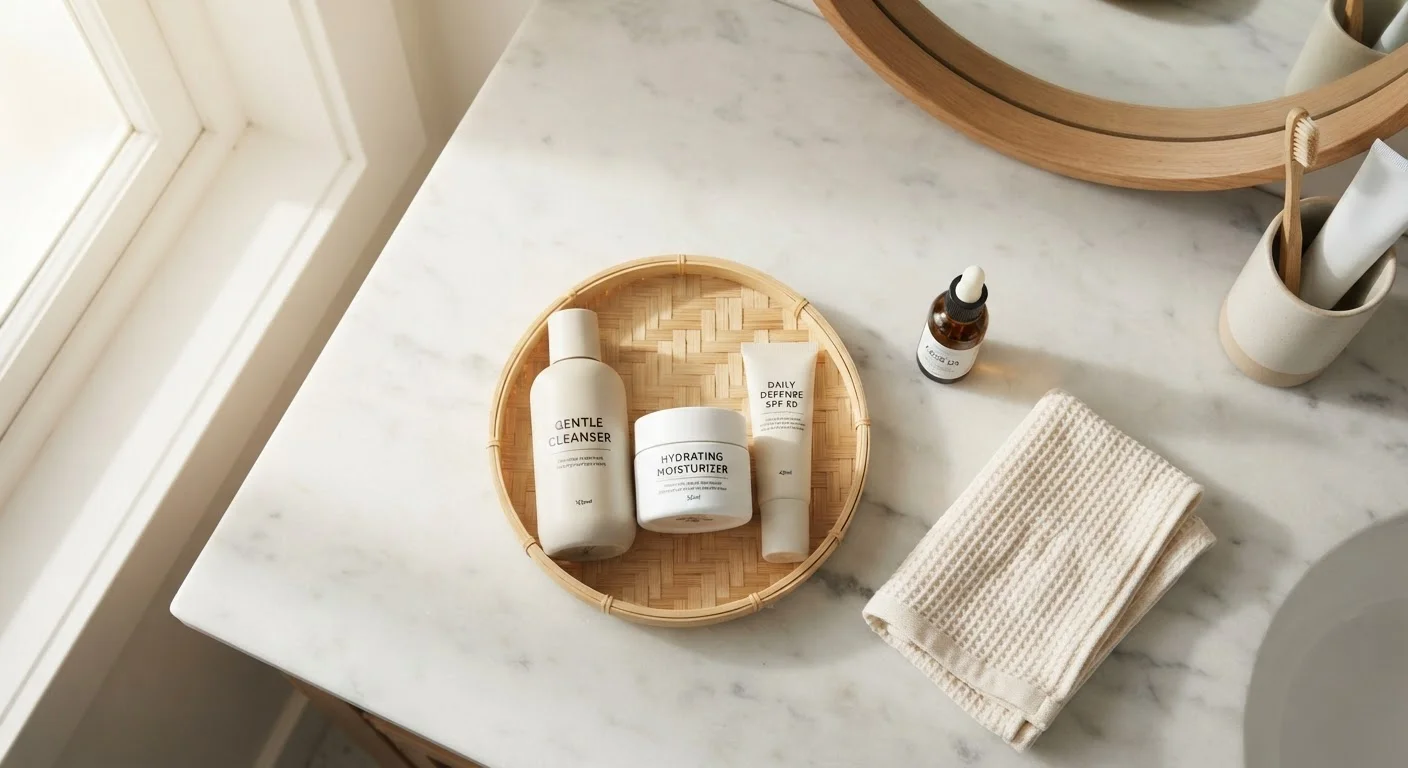
For readers building a routine from scratch, our guide on building a morning skincare routine walks through which steps to include and why each earns its place.
Give Each Layer a Moment to Settle
Waiting 30–60 seconds between applying each product is a simple habit that can meaningfully improve absorption. For pH-sensitive actives like vitamin C or glycolic acid, a slightly longer pause before layering the next step helps the ingredient work at its optimal acidity before a neutralizing formula is applied on top.
The Standard Layering Order — and the Logic Behind Each Step
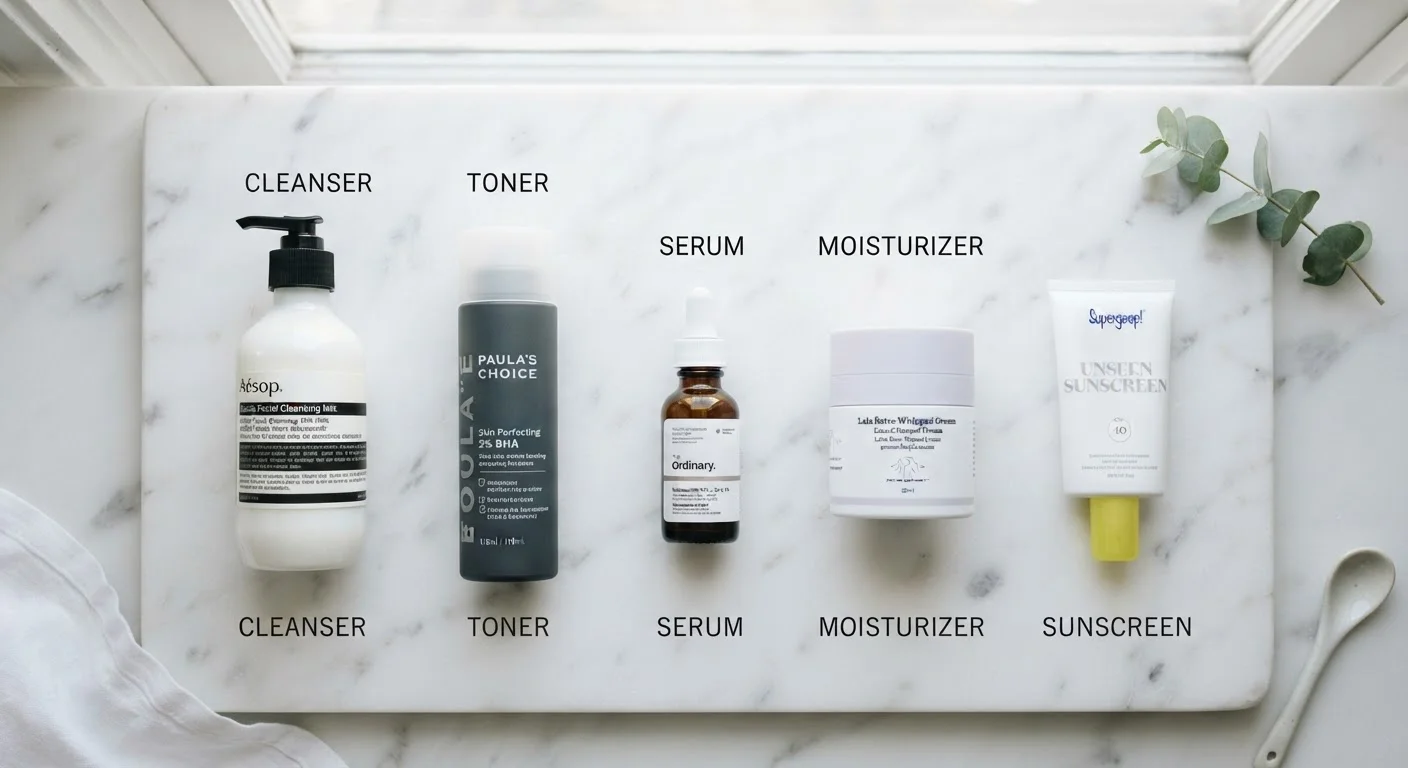
While individual routines vary, a general daytime sequence follows this structure:
- Cleanser — Removes surface oil, debris, and residue so subsequent products contact clean skin.
- Toner or essence — Typically water-based, these prep the skin and can deliver lightweight hydrating or balancing ingredients.
- Targeted serums — Concentrated formulas containing actives like vitamin C, niacinamide, or hyaluronic acid. These need to be applied before heavier products to reach their target depth.
- Eye cream — Usually a lighter gel or cream applied before heavier face moisturizer.
- Moisturizer — Seals in earlier layers and supports the skin barrier.
- Sunscreen (AM only) — Always the final step in a morning routine. Applying anything over SPF disrupts the protective film it creates.
Nighttime routines follow the same thin-to-thick logic but substitute sunscreen for a richer moisturizer or targeted treatment. Learn how PM routines differ and why skin's nighttime behavior calls for a different approach.
~20 min
Time skin takes to absorb a serum layer
Dermatology educators commonly note that giving actives adequate absorption time before the next step can improve results, with estimates typically ranging from a few minutes to twenty minutes depending on formula.
7
Average number of products in a U.S. skincare routine
Industry research has found that American consumers use an average of around seven skincare products daily, making correct layering order increasingly relevant.
Ingredient Interactions: What to Layer and What to Separate
Layering isn't just about thickness — it's also about ingredient compatibility. Some combinations work synergistically; others can reduce each ingredient's effectiveness or cause irritation. Understanding this is particularly relevant when using potent actives.
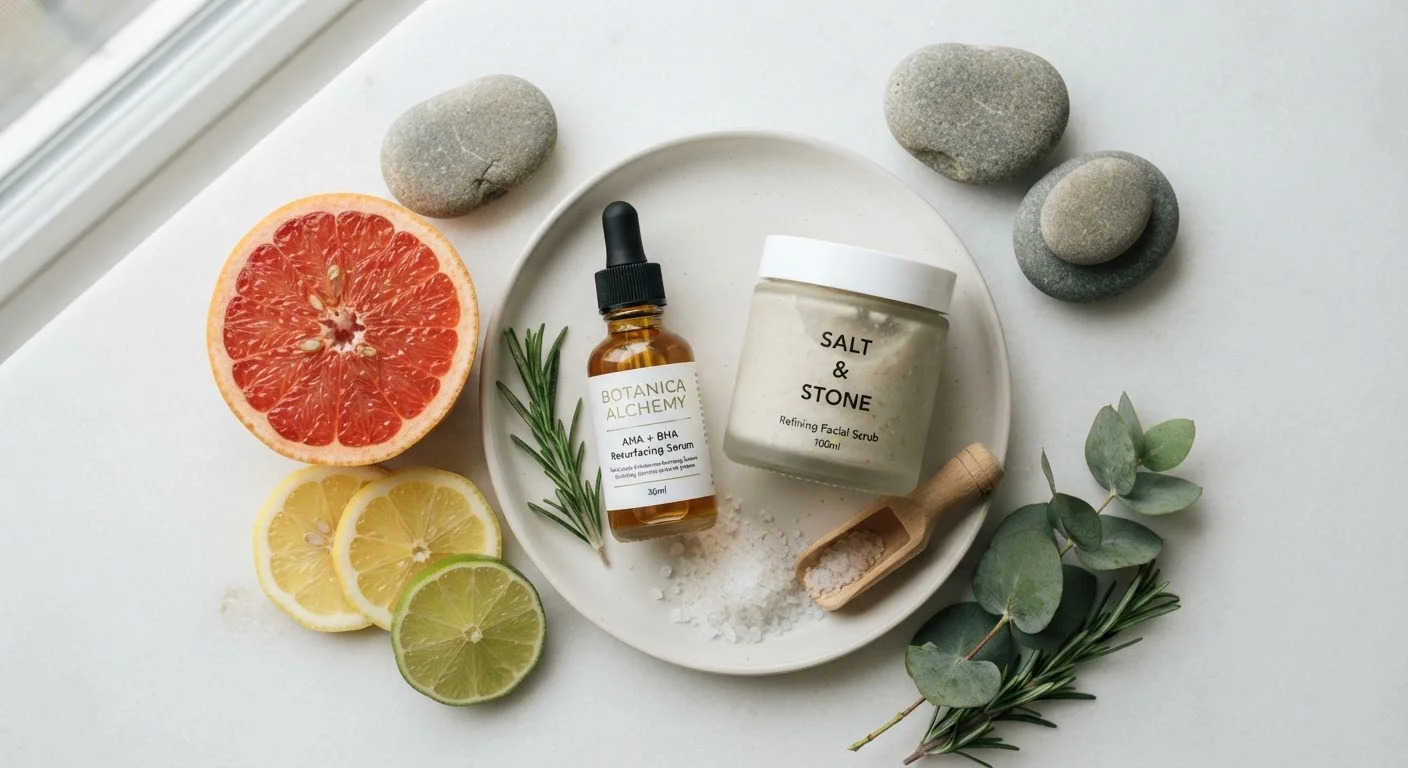
Commonly cited pairings to approach with caution include retinoids combined with AHAs or BHAs, and vitamin C used alongside certain forms of niacinamide (though research on this specific pairing is evolving). Using two exfoliating acids in the same routine can also tip the skin toward over-exfoliation.
When in Doubt, Introduce Actives Slowly
If you're new to potent ingredients like retinoids or exfoliating acids, starting with one at a time and observing how your skin responds is a sensible approach. Introducing multiple actives simultaneously makes it difficult to identify the cause if irritation occurs. A dermatologist can help you build a layering plan suited to your specific skin type and concerns.
Conversely, ingredients like hyaluronic acid layer well with almost everything and can be applied before most other serums to support hydration. Niacinamide is similarly compatible with a wide range of formulas.
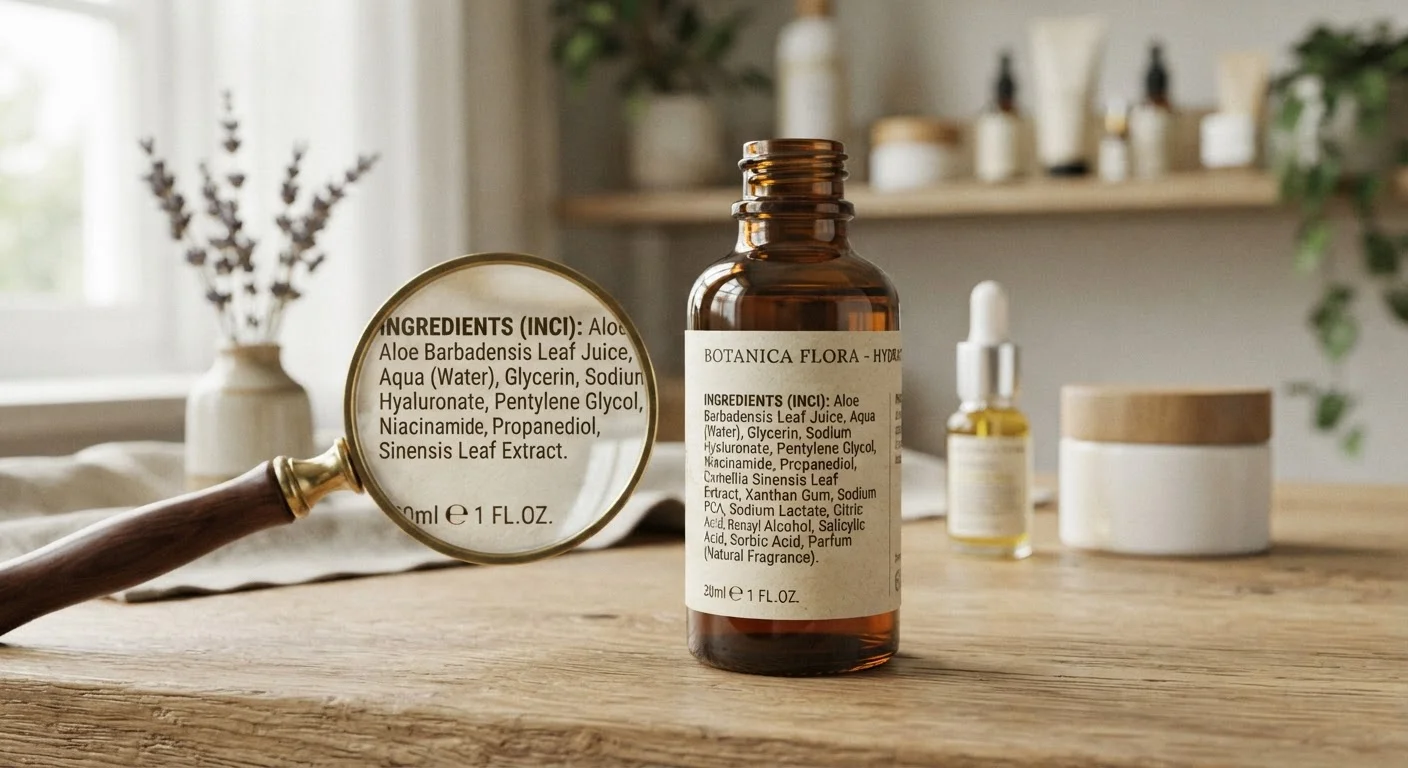
Understanding what's actually in your products helps enormously here. Our plain-language guide to ingredient labels explains how to read an INCI list and spot key actives before they become a layering problem.
This article is for informational purposes only and does not constitute medical or dermatological advice. Consult a qualified dermatologist for personalized guidance about your skin.