Why Ingredient Literacy Matters at the Shelf
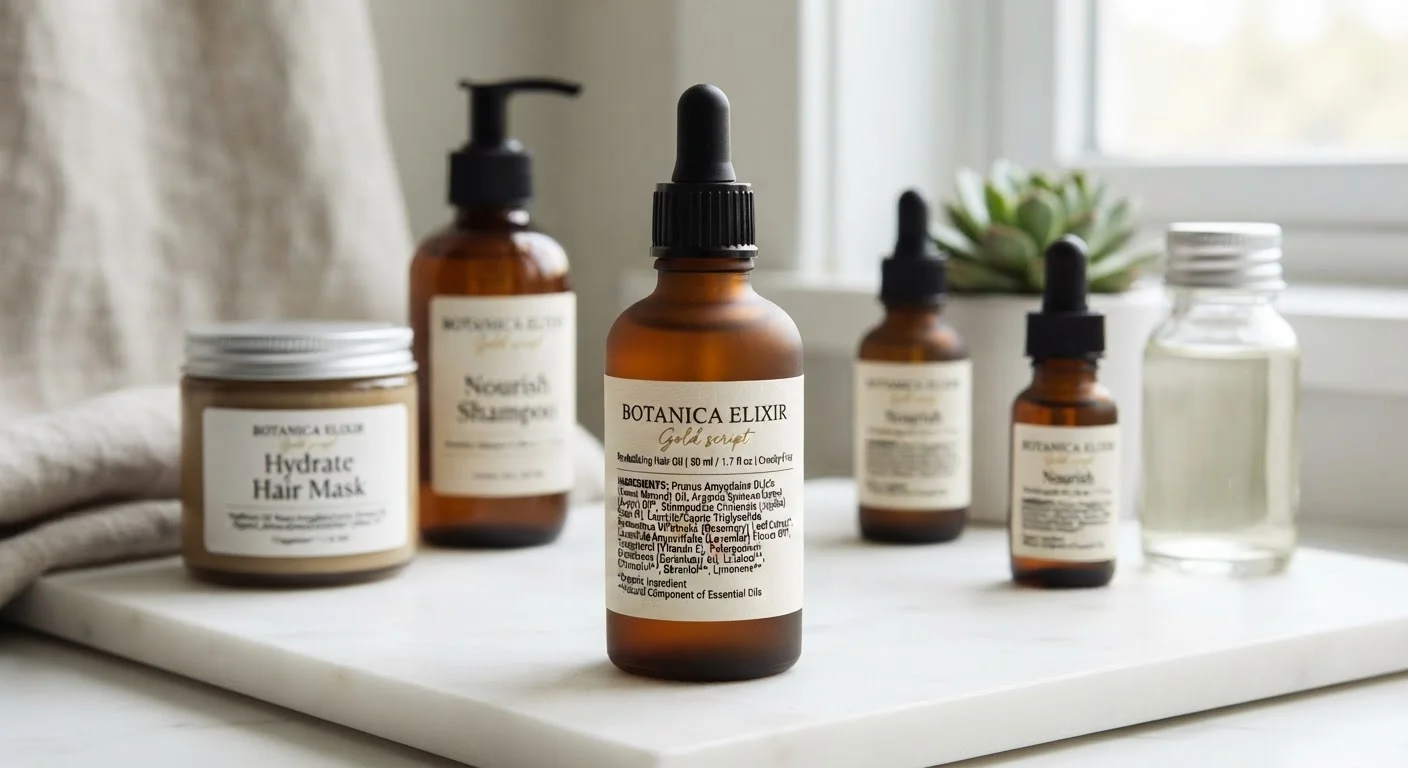
Haircare labels can feel like a foreign language — long chemical names, Latin classifications, and category terms that rarely appear anywhere else. But understanding even a handful of ingredient categories can transform a guessing-game purchase into a deliberate one. You don't need a chemistry degree; you need a reliable reference.
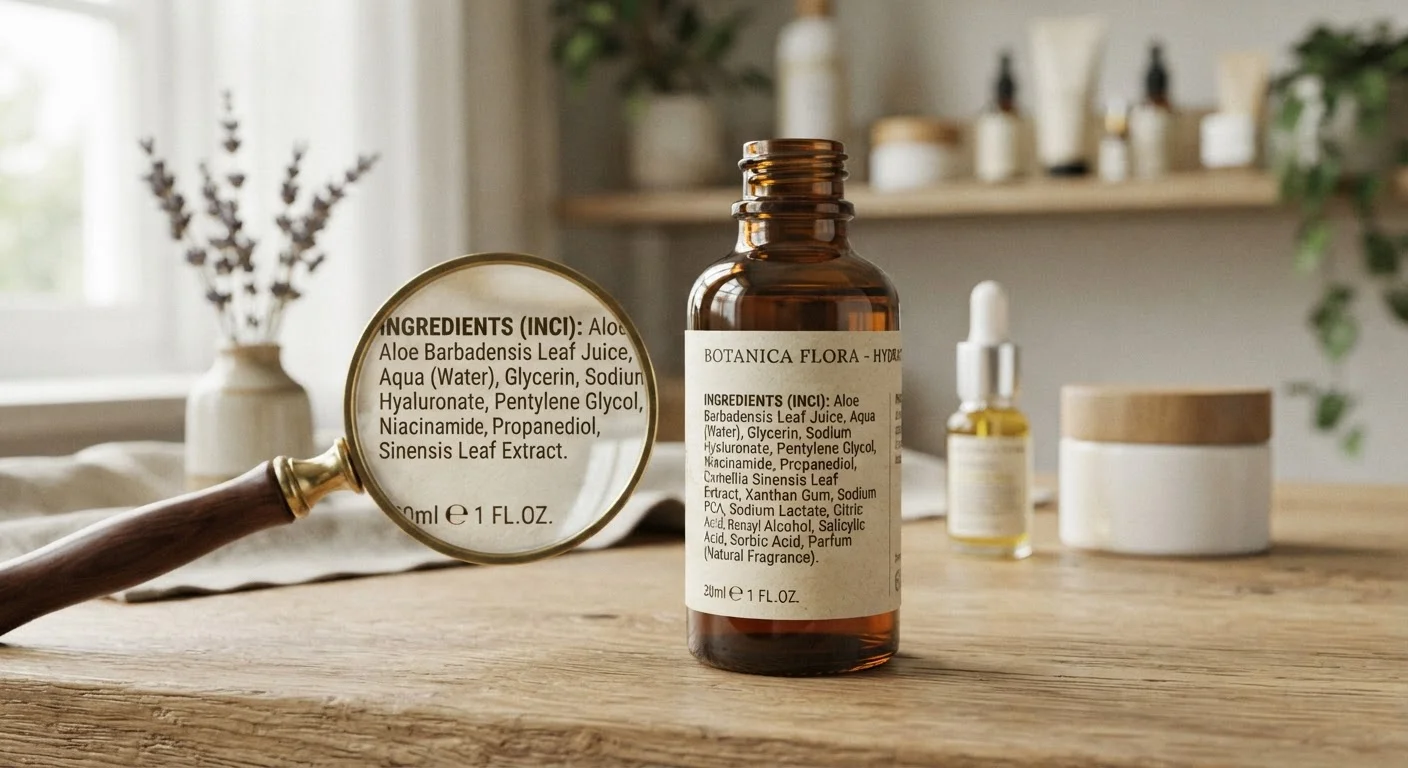
Every haircare product lists its ingredients in descending order of concentration, from highest to lowest. That means the first five or six entries typically make up the bulk of what you're applying. The terms defined in this article represent the functional categories that appear most consistently across shampoos, conditioners, masks, serums, and stylers.
If you've already explored skincare label reading, the logic translates well. See our plain-language guide to skincare ingredient panels for a comparable framework. And keep in mind that the right ingredient mix for your hair depends significantly on its physical properties — porosity, density, and texture all influence how your hair responds to different formulas.
Humectant
A substance that draws moisture from the surrounding environment (or deeper layers of the hair shaft) into the outer layer of the strand. Common examples include glycerin, panthenol, and aloe vera. In humid climates, humectants work especially well; in very dry conditions, they may pull moisture from the hair itself if none is available in the air.
Emollient
An ingredient that softens and smooths the hair by filling gaps in the cuticle layer and coating the strand. Oils (such as jojoba, argan, and coconut) and fatty alcohols (like cetyl and stearyl alcohol) are typical emollients. They reduce friction, add suppleness, and generally make hair easier to detangle.
Surfactant
Short for surface-active agent — a molecule with one water-attracting end and one oil-attracting end that allows water to lift oils, product buildup, and debris from the hair and scalp. Shampoos are built on surfactants. Their mildness varies widely: sulfates like sodium lauryl sulfate are effective but can strip natural oils, while gentler alternatives are less aggressive.
Film-Former
An ingredient that deposits a thin, continuous layer over the hair strand to add shine, hold, or protection. Polyquaternium compounds and certain silicones function as film-formers. They're common in styling products and heat protectants, where a protective coating over the cuticle is part of the functional goal.
Protein
Hydrolyzed proteins (such as keratin, wheat, silk, or soy) bond temporarily to damaged areas of the hair shaft, reinforcing structure and reducing breakage. Hair that is overly porous or frequently heat-styled can benefit from protein treatments, while already protein-saturated hair may become stiff or brittle with excess use.
Silicone
A synthetic polymer that coats the hair to reduce frizz, increase shine, and improve slip. Silicones vary in molecular weight: lighter, water-soluble versions rinse out easily, while heavier dimethicone variants may accumulate without a clarifying shampoo. They are not inherently harmful but do require appropriate cleansing to prevent buildup.
Conditioning Agent
A broad category of positively charged (cationic) molecules that are attracted to the negatively charged surface of damaged hair. Behentrimonium chloride and cetrimonium chloride are common examples. They reduce static, smooth the cuticle, and improve manageability without necessarily adding moisture.
Preservative
Ingredients added to prevent microbial growth and extend shelf life. Phenoxyethanol, sodium benzoate, and potassium sorbate are frequently used alternatives to parabens. Preservatives are a safety necessity in water-containing formulas — products without them risk bacterial contamination.
The Core Categories Decoded
Armed with the glossary above, a few practical patterns emerge when scanning a label:
| Ingredient list order | Descending by concentration (highest first) (U.S. FDA cosmetic labeling regulations) |
| Most common shampoo base | Water (Aqua) followed by one or more surfactants |
| Fatty alcohols vs. drying alcohols | Fatty alcohols (cetyl, stearyl) condition; short-chain alcohols (ethanol, isopropyl) can dry |
| Protein sensitivity signal | Stiffness, brittleness, or dryness after protein-heavy products |
| Silicone solubility | Water-soluble silicones rinse clean; non-soluble types may need clarifying shampoo |
- Humectants near the top of a conditioner label suggest strong moisture-drawing potential — a plus for dry or high-porosity hair.
- Heavy emollients early in a shampoo (rather than a conditioner) may signal a moisturizing or co-wash formula rather than a clarifying one.
- Proteins listed far down the ingredient list contribute less than proteins listed in the first third — worth knowing if your hair is protein-sensitive.
- Surfactants are unavoidable in shampoos, but their type matters. Sulfate-free doesn't mean surfactant-free — milder alternatives like cocamidopropyl betaine or sodium cocoyl isethionate are common substitutes.
If heat styling is part of your routine, note that film-formers and proteins often serve as the active components in heat protectant products. Our balanced look at heat styling and hair health covers the broader trade-offs worth understanding before reaching for a flat iron regularly.
Understanding ingredient categories also helps contextualize hair typing guidance. As explored in our article on hair typing systems and their limitations, curl pattern alone doesn't tell the whole story — and neither does a single ingredient. The label is a starting point, not a guarantee.
"Free-From" Claims Don't Define Quality
Labels marketing products as "sulfate-free," "silicone-free," or "paraben-free" highlight what's absent, not what's present. An ingredient's absence doesn't automatically make a formula better for your hair — what matters is whether the ingredients that are present suit your specific hair type and concerns. Read the full list rather than stopping at the marketing claim on the front.