Why a Structured Inspection Matters
Buying a used car without a methodical inspection is one of the most common — and costly — mistakes American car buyers make. Unlike new vehicles, used cars come with unknown histories, deferred maintenance, and the accumulated wear of previous ownership. A structured walkthrough shifts the balance of information in your favor.
Before you visit any vehicle, it helps to understand what category of used car you're considering. The trade-offs between certified pre-owned and standard used vehicles affect what documentation and warranties you can expect, and that context shapes how rigorously you need to inspect.
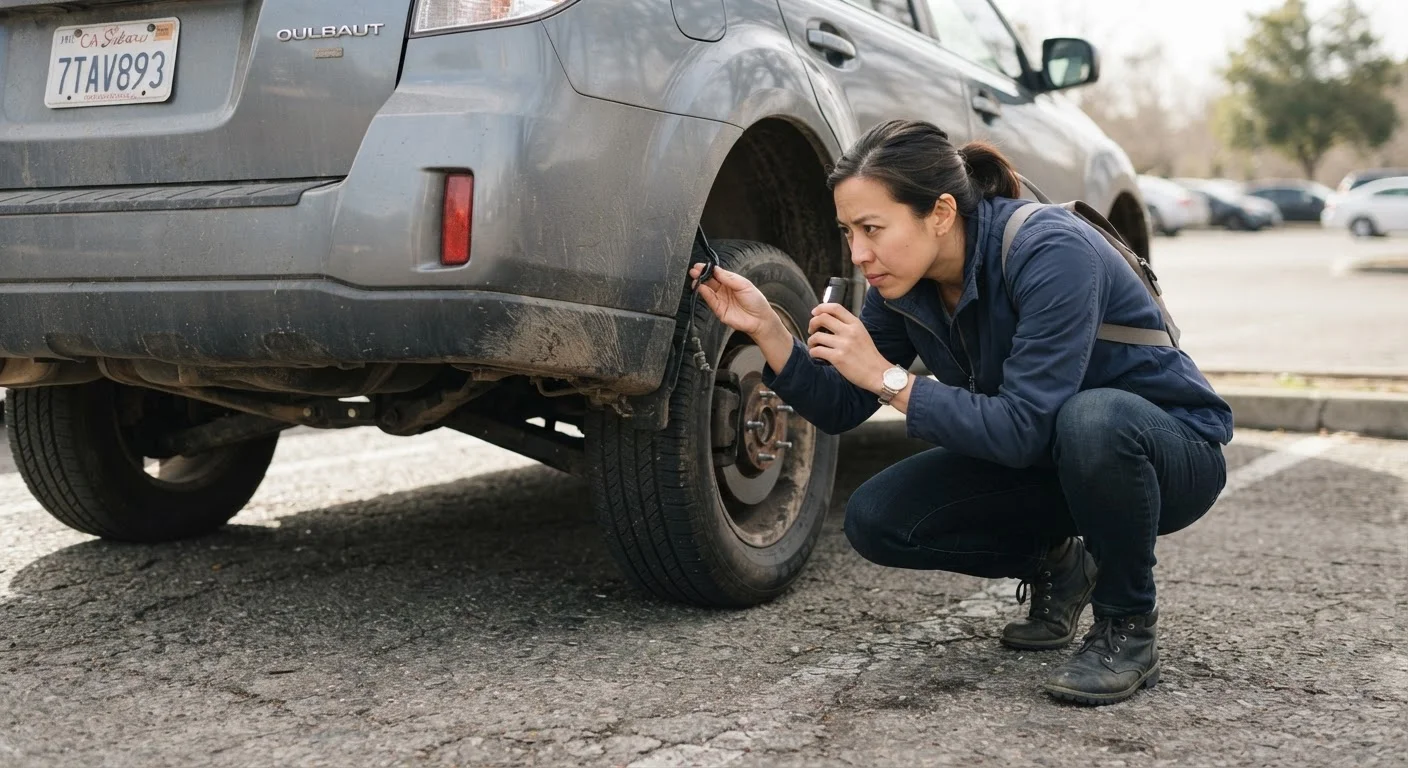
Use this checklist during your on-site visit. Bring a flashlight, wear clothes you can crouch in, and plan for at least an hour. If the seller is uncomfortable with any part of this process — including an independent mechanic's inspection — treat that as a warning sign in itself.
Vehicle History Report Service (e.g., via VIN lookup)
Reveals accident history, title status, odometer readings, and prior ownership details using the car's VIN.
Independent / ASE-Certified Mechanic
Provides a professional pre-purchase inspection to identify mechanical issues not visible to the untrained eye.
OBD-II Code Reader
Plugs into the car's diagnostic port to read stored or pending fault codes that may not trigger a dashboard warning light.
Tread Depth Gauge
Measures remaining tire tread accurately to assess replacement timeline and tire safety.
Flashlight or Inspection Light
Illuminates the undercarriage, engine bay, and interior corners for a thorough visual inspection.
How to Work Through the Checklist
Work through the inspection in a logical sequence: exterior first, then interior, then engine bay, followed by a test drive, and finally paperwork. This order prevents backtracking and ensures you don't overlook something after getting excited about the drive.
Inspect the car in daylight on a dry, flat surface. Wet paint can obscure color mismatches, and shadow hides rust and panel imperfections. If a seller will only show the vehicle at night or in a dimly lit garage, reschedule or reconsider.
Never Skip the Independent Inspection
A seller's enthusiasm or a low asking price can make it tempting to skip a third-party mechanic's inspection — don't. Hidden mechanical problems, frame damage, and flood history can cost thousands to address after purchase. Budget for an independent inspection fee; it's routinely far less expensive than the repairs it helps you avoid.
Flood and Salvage Titles Carry Serious Risks
Vehicles with salvage or rebuilt titles, or those with undisclosed flood histories, can present serious safety and reliability concerns. Electrical systems, structural components, and airbag systems may be compromised in ways that aren't immediately visible. Always verify the title status through an official VIN-based history report and confirm it with the physical title document.
After completing the physical inspection, always verify ownership records. Knowing which questions to ask the seller about maintenance history, prior accidents, and title status can surface issues your eyes alone won't catch.
Exterior & Body
Interior Condition
Engine Bay
Tires & Brakes
Test Drive
Paperwork & History
After the Checklist: Next Steps
A clean checklist walkthrough is a strong start — but it isn't the final word. Even experienced buyers can miss issues that a trained mechanic will catch on a lift. Budget for a pre-purchase inspection at an independent shop before you sign anything. This step is particularly important for higher-mileage vehicles or any car with a gap in service records.
Verify the VIN in Multiple Places
The Vehicle Identification Number should match on the dashboard plate, the driver-side door jamb sticker, the title, and any history report you pull. A mismatch between any of these locations is a serious red flag that may indicate title fraud, a rebuilt vehicle, or stolen parts. Walk away from any vehicle where the VIN cannot be consistently verified.
Once you've taken ownership, a consistent maintenance schedule is what keeps a used vehicle reliable long-term. Our seasonal car maintenance checklist can help you stay ahead of wear across every time of year. And if you're new to understanding what's happening under the hood, this primer on routine car care covers the essentials in plain language.
This article is for general informational purposes only. It does not constitute professional mechanical or legal advice. Always consult a qualified mechanic and verify all title and legal documents with appropriate authorities before completing a vehicle purchase.