The Six Fluids That Keep Your Car Running
Your vehicle depends on several fluids working in concert. Each one serves a distinct purpose, and neglecting any of them can lead to mechanical problems that are expensive — and often preventable. Here's a plain-English breakdown of what each fluid does and where to find it.
| Number of key vehicle fluids | 6 core fluids |
| Typical engine oil change interval (modern vehicles) | 5,000–10,000 miles (Varies by manufacturer and oil type; consult your owner's manual) |
| Coolant flush interval (general guideline) | Every 30,000–50,000 miles (Varies significantly by vehicle; check manufacturer specs) |
| Brake fluid hygroscopic? | Yes — absorbs moisture over time (Reduces boiling point; replacement typically recommended every 2–3 years) |
| Windshield washer fluid | Check monthly; refill as needed |
| Power steering fluid check | Inspect during routine oil changes (Many newer vehicles use electric power steering and have no fluid) |
- Engine Oil
- Lubricates moving metal parts inside the engine, reduces friction, and carries heat away from critical components. Check the level with a dipstick when the engine is cold and parked on level ground. Milky or gritty oil signals a problem — see a qualified mechanic. See our guide to oil changes for what the process actually involves.
- Coolant (Antifreeze)
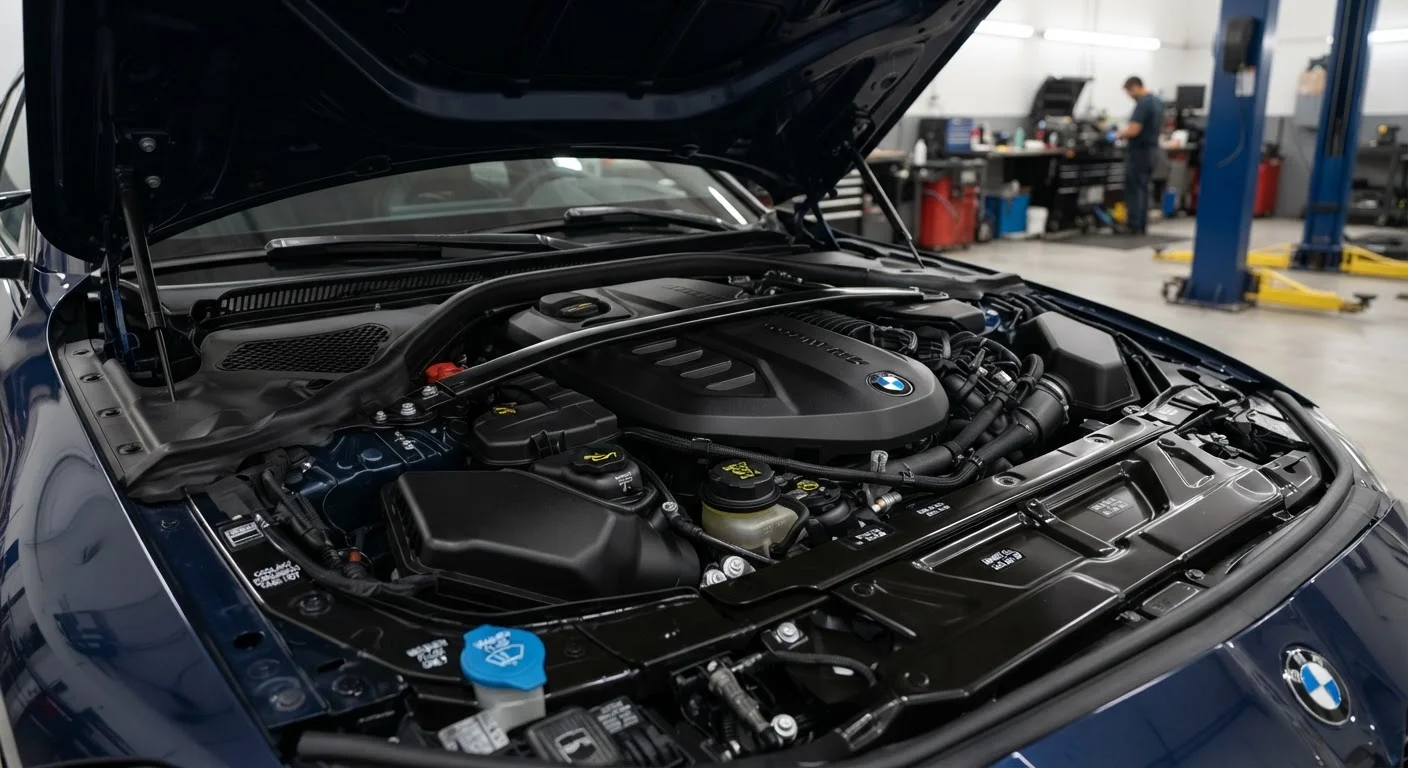
- Circulates through the engine and radiator to regulate temperature in both hot and cold weather. Check the translucent overflow reservoir — never open a hot radiator cap. Low coolant or a rusty appearance warrants immediate attention.
- Brake Fluid
- Transmits hydraulic pressure from your brake pedal to the calipers and drums that stop the wheels. It lives in a small reservoir near the firewall. Because brake fluid absorbs moisture over time, its boiling point degrades — making periodic replacement important for safety.
- Transmission Fluid
- Keeps your automatic or manual transmission lubricated and cool. Many automatic transmissions have a dipstick; others are sealed and require a shop inspection. Dark, burnt-smelling fluid is a warning sign.
- Power Steering Fluid
- Assists steering effort in vehicles with hydraulic power steering. Note that many newer vehicles use electric power steering and have no fluid reservoir at all. If turning the wheel feels stiff or you hear whining noises, have the system checked.
- Windshield Washer Fluid
- The lowest-stakes fluid on the list, but important for visibility. Use a purpose-made washer solution — plain water can freeze in cold climates and doesn't clean as effectively.
Warning Signs and What to Do
Catching a fluid problem early is almost always cheaper than waiting for a component failure. Keep these warning patterns in mind:
1 in 3
Vehicles found low on oil during routine inspections
Industry service data consistently shows a significant share of vehicles arrive at shops with inadequate fluid levels.
~2 years
Recommended brake fluid replacement interval
Most vehicle manufacturers and brake system engineers recommend replacing brake fluid every two years due to moisture absorption.
- Oil warning light or low dipstick reading: Add the correct grade of oil and schedule a check to rule out a leak or burning issue. Do not continue driving with the oil pressure light on — engine damage can occur quickly.
- Overheating gauge or steam from hood: Pull over safely, turn off the engine, and allow it to cool completely before inspecting coolant levels. Never open a pressurized radiator cap on a hot engine.
- Soft or spongy brake pedal: This can indicate low brake fluid or air in the lines. Have a qualified mechanic inspect the brake system immediately — do not delay.
- Puddles under your parked car: Color helps identify the source. Bright green or orange fluid is typically coolant; red or pinkish fluid may be transmission fluid or power steering fluid; dark brown or black puddles suggest oil.
Always Consult Your Owner's Manual
Fluid specifications — oil viscosity, coolant type, transmission fluid grade — differ from one vehicle to the next. Your owner's manual is the authoritative source for your specific make and model. Using the wrong fluid can cause damage that voids warranties and leads to costly repairs.
For a broader look at service intervals and what each maintenance item actually covers, see our maintenance schedule guide. If you're new to checking under the hood, the first-time driver's guide to routine car care is a helpful starting point. You may also want to review common car maintenance myths to separate fact from habit.