Why the Sticker Price Is Only the Beginning
When most people think about what a car costs, they picture the number on the window sticker or the monthly payment figure quoted at the dealership. But that figure captures only a fraction of what you'll actually spend. The full picture of vehicle ownership costs includes a range of recurring and one-time expenses that begin the moment you sign and continue for as long as you drive the car.
For everyday American drivers, this gap between perceived cost and actual cost is one of the most common sources of financial strain after a vehicle purchase. Understanding every major cost category upfront is the clearest way to avoid that outcome.
$12,000+
Estimated annual cost to own and operate a new vehicle
According to AAA's annual "Your Driving Costs" study, average annual costs for new vehicle ownership — including depreciation, fuel, insurance, and maintenance — have exceeded $12,000 in recent years.
~50%
Value a new car can lose in first three years
Industry data consistently shows that many new vehicles lose roughly half their original value within the first three years, making depreciation the dominant ownership cost.
$1,500–$2,000+
Typical annual full-coverage insurance cost
National averages for full-coverage auto insurance have ranged broadly, with many drivers paying between $1,500 and $2,000 or more annually depending on state, driving record, and vehicle type.
Depreciation: The Cost You Never Write a Check For
Depreciation — the decline in a vehicle's market value over time — is consistently identified by automotive analysts as the largest single ownership cost for new-vehicle buyers. A new car can shed a meaningful share of its value within the first three years, meaning the gap between what you paid and what you could sell it for widens quickly.
Used vehicles depreciate more slowly because the steepest decline has already occurred. This is one reason many financial experts suggest that buyers weigh a lightly used vehicle as an alternative to new, particularly if minimizing total cost is the priority. For a deeper look at how these figures accumulate, see what car ownership actually costs over five years.
Insurance, Fuel, and Financing Interest
Three ongoing expenses add up quickly and are easy to underestimate at the point of purchase.
- Insurance: Required in virtually every US state, auto insurance costs vary by coverage level, driving record, location, and the vehicle itself. A more powerful or expensive vehicle typically costs more to insure. Rates should be obtained before finalizing a purchase decision — not after.
- Fuel: Your annual fuel spend depends on how many miles you drive, fuel prices in your area, and the vehicle's efficiency. An SUV driven 15,000 miles per year will demand a meaningfully different fuel budget than a compact sedan. The gas vs. electric lifetime cost comparison offers useful context if you're considering different powertrain types.
- Financing interest: If you borrow to buy, your total payment includes principal plus interest. A lower credit score generally means a higher rate and more paid over the life of the loan. Your credit score shapes every loan offer you receive — understanding this relationship before you apply matters.
Get Insurance Quotes Before You Commit
Insurance costs can vary dramatically from one vehicle to another, even within the same class. Before finalizing any purchase, request insurance quotes for the specific year, make, and model you're considering. This simple step can prevent an unwelcome surprise in your first month of ownership.
Maintenance, Repairs, and Registration
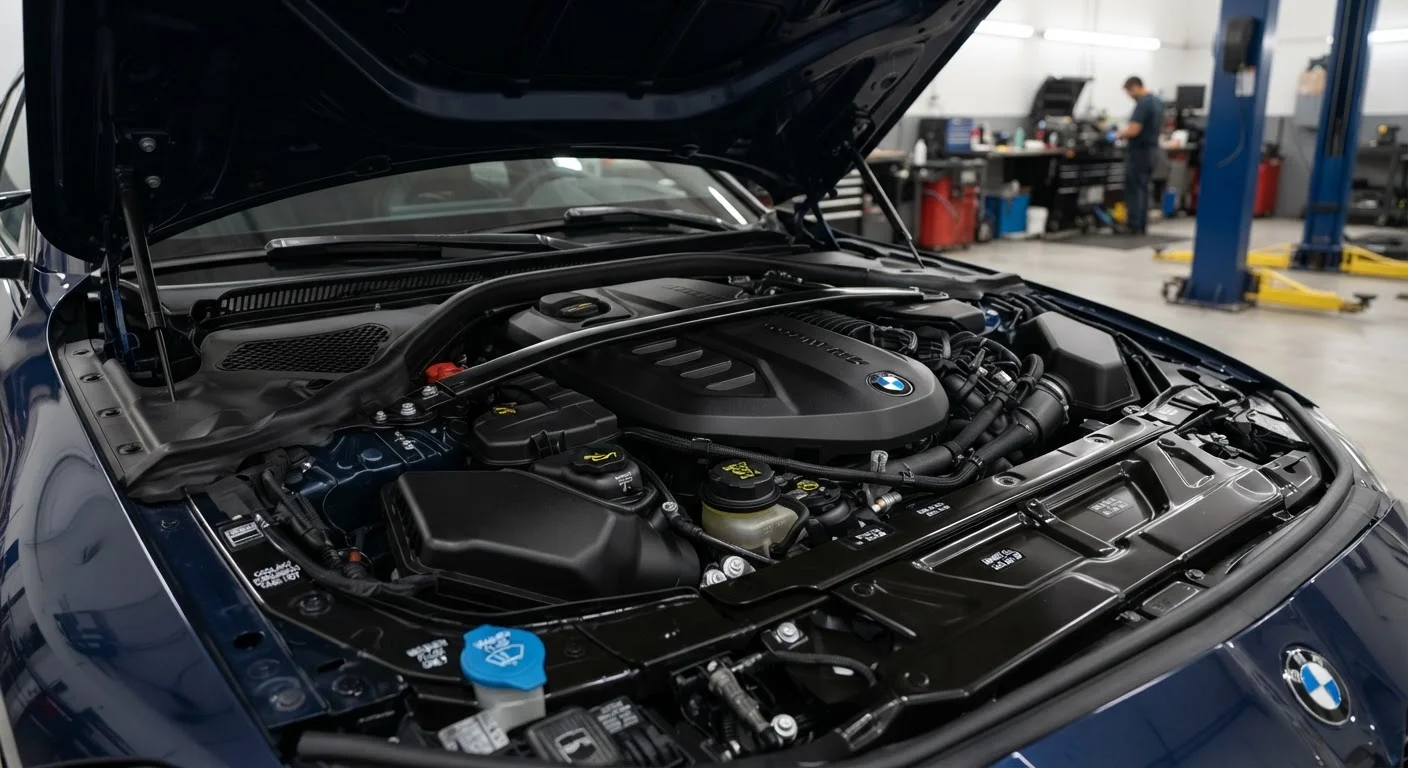
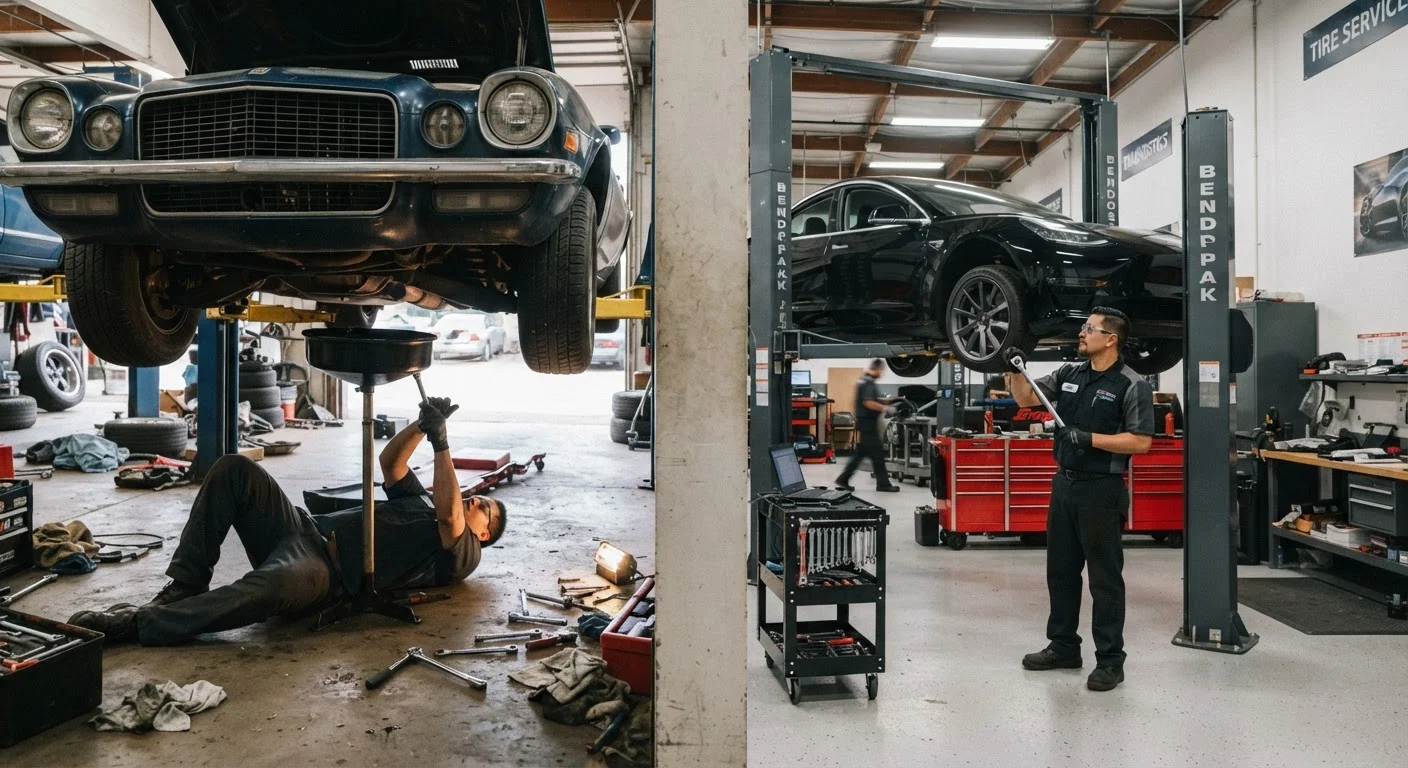
Routine maintenance — oil changes, tire rotations, brake service, fluid replacements — is non-negotiable if you want a vehicle to remain safe and reliable. These costs are predictable to a degree, but repair costs for unexpected failures are not. Older vehicles or those with high mileage carry greater repair risk, which should factor into any cost comparison between a new and used purchase.
Registration fees and annual property taxes on vehicles (where applicable) vary by state and can range from modest to significant depending on where you live and the vehicle's assessed value. These are fixed annual obligations that belong in any honest budget estimate.
For strategies on managing these costs over time, keeping ownership costs in check over the life of a vehicle covers practical habits that help. And for routine upkeep guidance, the car maintenance hub is a reliable reference.
Maintenance Costs Vary by Vehicle Type
Luxury vehicles, certain European imports, and performance-oriented models often carry higher-than-average parts and labor costs. When comparing two vehicles at similar purchase prices, it's worth researching typical service costs for each — the difference in long-run maintenance expense can be substantial.
Building a Realistic Ownership Budget
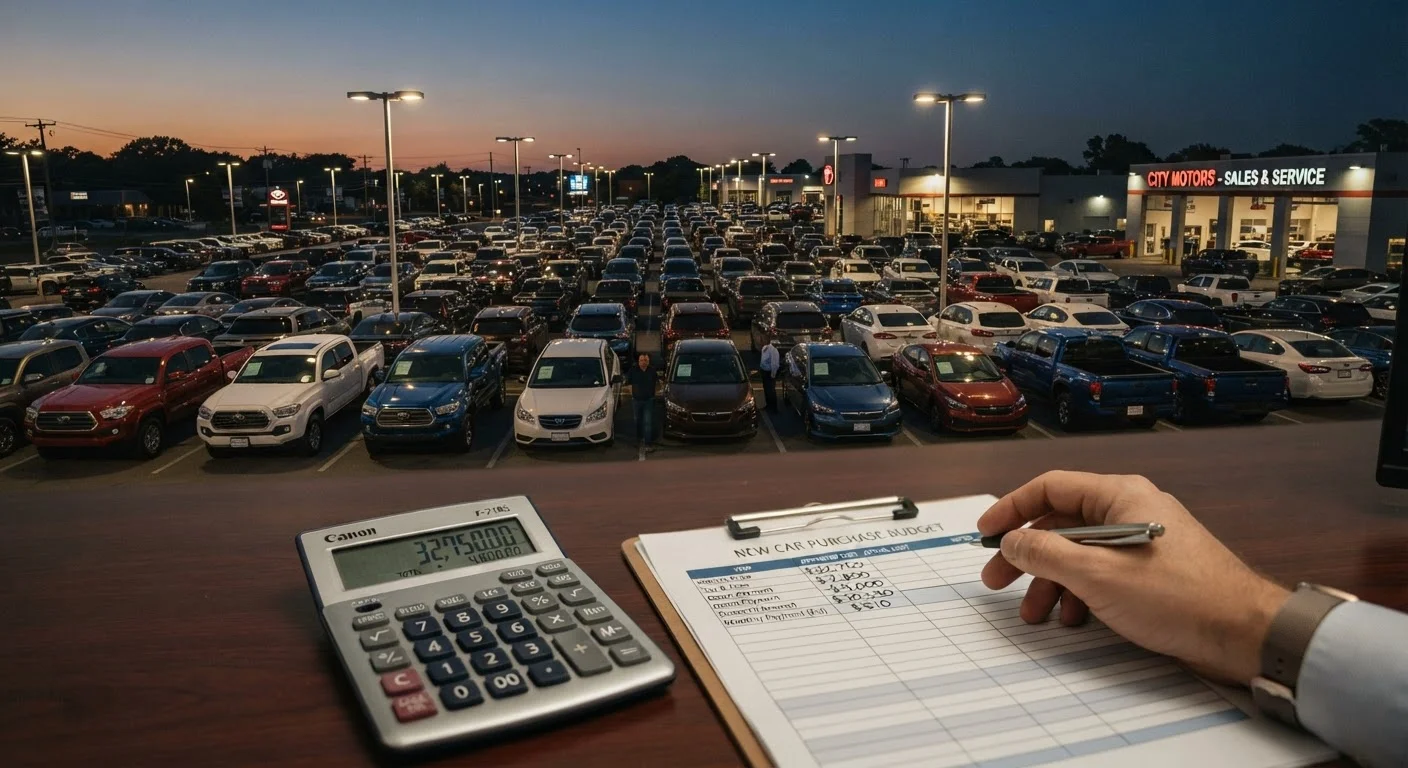
Before signing anything, take time to estimate your annual costs across every category — not just the monthly payment. Add projected insurance, estimated fuel, a maintenance reserve, registration fees, and an honest look at depreciation relative to what you're financing. Then compare that total against your actual monthly budget.
The annual car ownership costs at a glance reference provides a useful benchmark for typical yearly figures by cost category. And if you're still in the research phase, questions worth asking before you drive off the lot is a strong companion resource for the dealership conversation itself.
No vehicle purchase is without cost — but buyers who understand the full financial picture make decisions they're less likely to regret.