
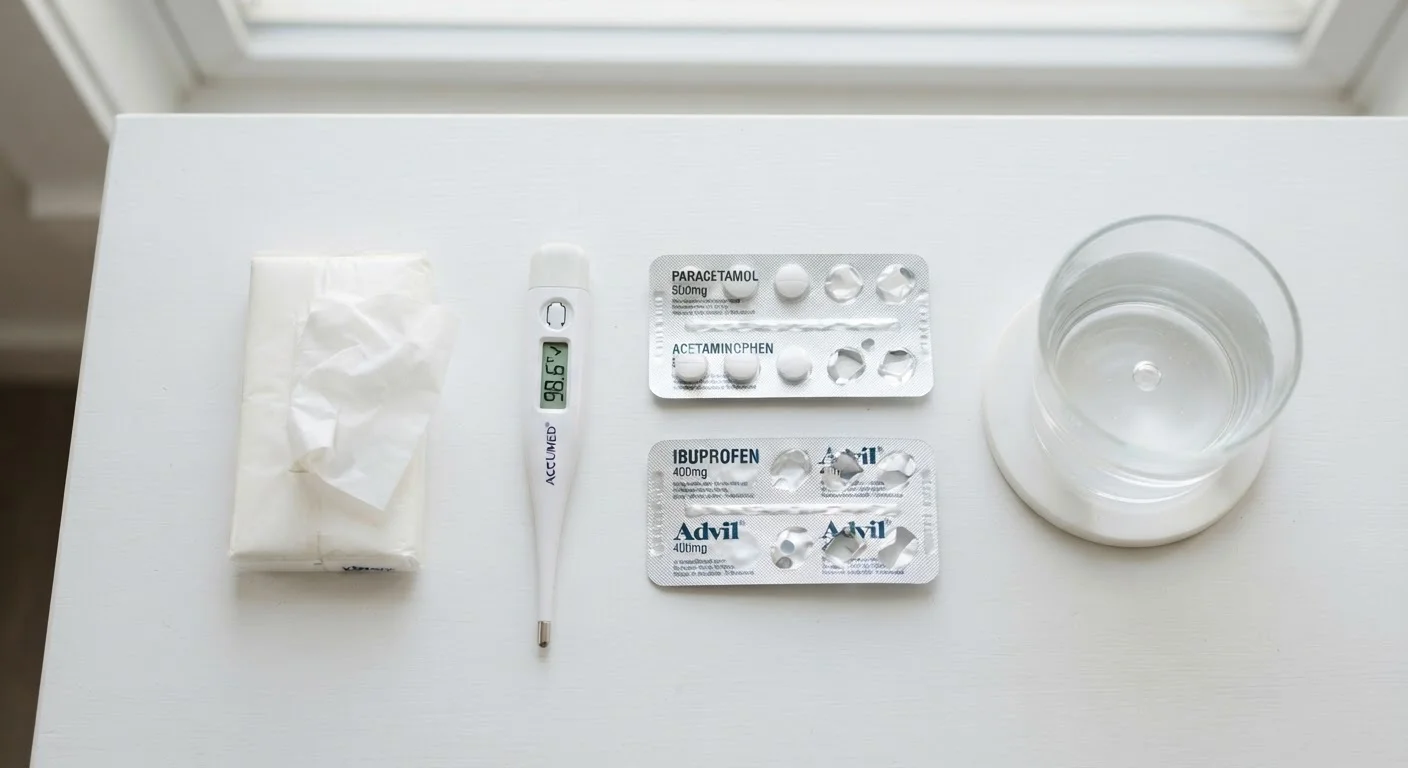
Why These Three Illnesses Are So Easy to Confuse
The common cold, seasonal influenza, and COVID-19 are all caused by respiratory viruses, and all three can produce overlapping symptoms: runny nose, sore throat, cough, fatigue, and general malaise. Because the viruses exploit similar biological pathways — invading cells of the respiratory tract and triggering the immune system's inflammatory response — the body's symptoms often look nearly identical on the surface. For a deeper look at that shared biological process, see what happens inside your body during a viral infection.
What sets these illnesses apart is pattern, timing, and severity — factors clinicians use alongside diagnostic tests to narrow the picture. Understanding those differences helps you make smarter decisions about when to rest at home, when to test, and when to seek medical care.
| Criterion | Cold & Flu | COVID-19 |
|---|---|---|
| Onset | Gradual (cold) or sudden (flu) | Gradual to sudden; variable |
| Fever | Rare in colds; common and high in flu | Common; moderate to high |
| Body aches | Mild (cold); severe (flu) | Mild to moderate |
| Loss of smell/taste | Only due to congestion | Sudden; may occur without congestion |
| Shortness of breath | Rare without complications | More common; a key distinguishing sign |
| Fatigue | Mild (cold); severe (flu) | Mild to severe; may persist |
| Diagnostic test available | Rapid flu tests; PCR | Rapid antigen; PCR |
Key Symptom Differences at a Glance
While no symptom is fully exclusive to one illness, certain features reliably shift the probability toward one diagnosis over another.
Common Cold
Colds develop gradually over one to three days and tend to stay above the neck — nasal congestion, sneezing, runny nose, and a scratchy throat. Fever is uncommon in adults. Profound fatigue and widespread muscle aches are rare. Most colds resolve within seven to ten days without medical treatment.
Influenza
Flu arrives abruptly. A person can feel fine in the morning and be debilitated by afternoon. High fever (often 100.4–104°F), severe body aches, chills, and intense fatigue are hallmarks. Respiratory symptoms like cough are present but secondary to the systemic misery. Children may experience vomiting and diarrhea more frequently than adults.
COVID-19
COVID-19 has evolved with circulating variants, making its symptom profile more variable than in earlier stages of the pandemic. It can mimic either a mild cold or a severe flu-like illness. Distinctive features — particularly in earlier variants — included sudden loss of smell (anosmia) or taste without nasal congestion, and a pattern of worsening symptoms around day five to seven. Shortness of breath is more commonly associated with COVID-19 than with cold or uncomplicated flu.
~8%
Americans hospitalized for flu annually
The CDC estimates that flu-related hospitalizations in the U.S. range from roughly 140,000 to 710,000 per season, depending on severity.
~1 in 5
COVID-19 patients reporting prolonged symptoms
Research published in leading medical journals suggests a meaningful proportion of COVID-19 patients experience symptoms lasting weeks to months beyond acute illness.
200+
Viruses that cause the common cold
Rhinoviruses account for up to half of all common colds, according to the National Institutes of Health, with coronaviruses, RSV, and others making up the rest.
The Role of Testing — and When It Matters Most
Symptom patterns alone cannot reliably confirm which virus you have. Rapid antigen tests for COVID-19 and flu (including combination flu/COVID tests) are widely available at pharmacies and provide results within 15–30 minutes. PCR tests, ordered through a clinician or lab, offer higher accuracy, particularly in early infection when viral load is lower.
Testing matters most when:
- You are in a high-risk group (older adults, pregnant individuals, immunocompromised, or those with chronic conditions like asthma, diabetes, or heart disease).
- Antiviral medications are being considered — both oseltamivir (for flu) and nirmatrelvir-ritonavir (for COVID-19) are most effective when started within the first few days of illness, and a confirmed diagnosis is required.
- You need to make isolation or exposure-notification decisions for household members or coworkers.
If you are unsure whether your symptoms are serious enough to warrant prompt attention, these are the warning signs Americans often dismiss too long.
Combination Tests Can Help Narrow It Down
Several rapid at-home tests now screen for both influenza A/B and COVID-19 simultaneously from a single nasal swab. These combination tests are particularly useful during respiratory virus season when both illnesses circulate at the same time. A negative rapid test does not definitively rule out infection — if symptoms worsen or persist, follow up with a clinician or consider PCR confirmation.
When to Call a Doctor — and What to Do in the Meantime
Most healthy adults recover from cold, flu, and mild COVID-19 with rest, fluids, and over-the-counter symptom relief. However, certain signs indicate that the illness has moved beyond typical and warrants prompt medical evaluation:
- Difficulty breathing or shortness of breath at rest
- Chest pain or persistent pressure
- Confusion or difficulty staying awake
- Bluish lips or face
- Fever that does not respond to fever-reducing medication or persists beyond five days
These illnesses fall firmly in the category of acute illness — meaning they are typically short in duration — but complications such as pneumonia, myocarditis, or long COVID can extend their impact significantly for some individuals. Always consult a qualified healthcare provider for personal medical guidance, especially if you belong to a high-risk group.
This article is for general informational and educational purposes only and is not a substitute for professional medical advice, diagnosis, or treatment. Always seek the guidance of a qualified healthcare provider with any questions you may have regarding a medical condition.