
How a Virus Gets Inside Your Cells
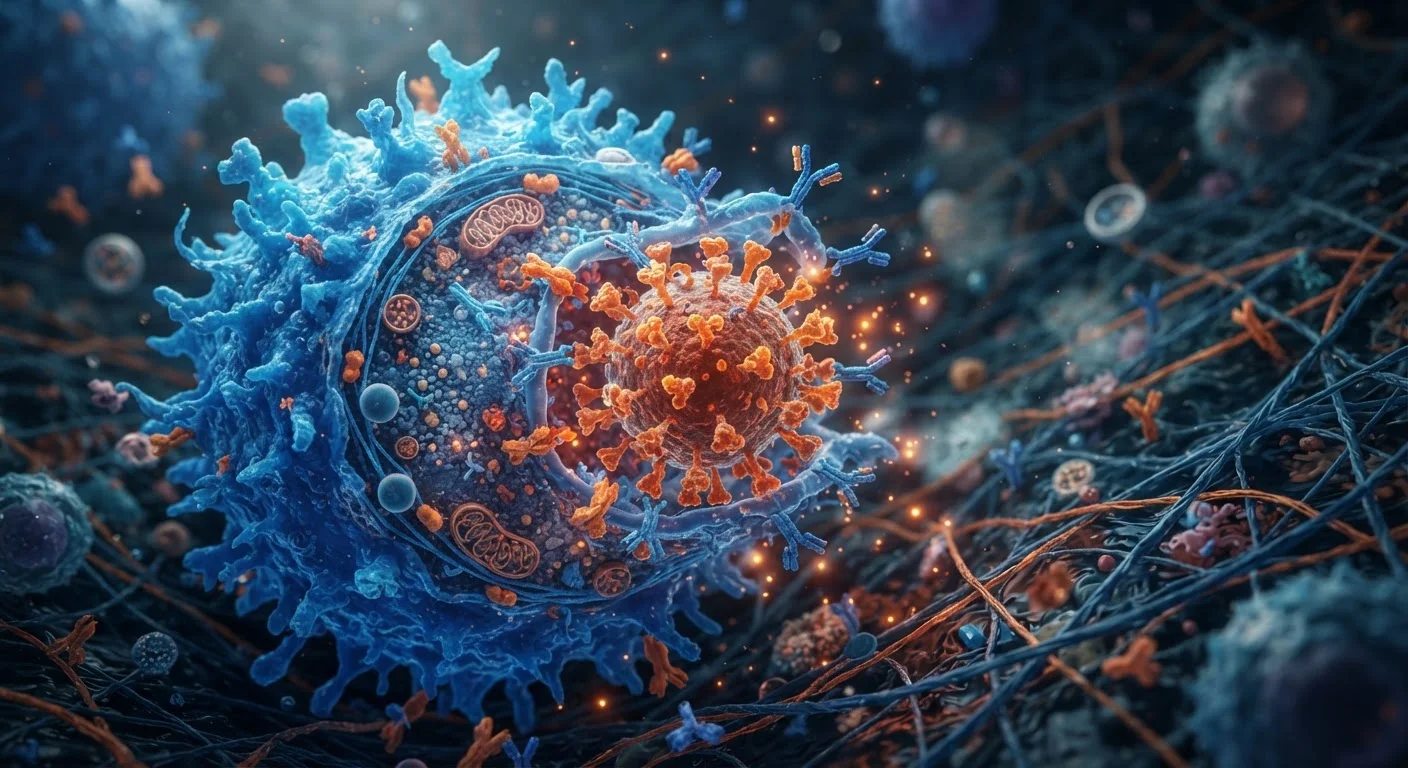
Viruses are extraordinarily small — far smaller than any bacterium — and they have one biological imperative: replicate. To do so, they must gain entry into your living cells. Most respiratory viruses, including influenza and common cold coronaviruses, enter through the mucous membranes of the nose, mouth, or eyes. Once a viral particle contacts the surface of a compatible host cell, it binds to a specific receptor — a molecular lock — on the cell's outer membrane.
This binding triggers the cell to absorb the virus, pulling it inward. The virus then releases its genetic material (either DNA or RNA depending on the virus type) into the cell's interior. From this point, the cell's own machinery — the ribosomes and enzymes that normally build proteins — is redirected to manufacture new viral components. Completed virus copies then bud off from the cell and go on to infect neighboring cells, rapidly expanding the infection.
Viruses Vary Significantly by Type
Not all viruses behave the same way. Some, like the flu, primarily target respiratory cells. Others, like hepatitis viruses, target liver cells. The specific receptor a virus binds to determines which tissues it can infect. This is why different viral illnesses produce such different patterns of symptoms and severity.
Your Immune System's Two-Stage Defense
The moment a virus breaches your cells, your immune system mounts a response in two overlapping stages.
Stage 1 — The Innate Response: Within hours, specialized cells called macrophages and natural killer cells detect chemical signals called PAMPs that flag the presence of a foreign invader. These cells release signaling proteins called cytokines, which trigger inflammation, raise your body temperature (fever), and recruit additional immune cells to the site of infection. This rapid, non-specific response buys time while the more targeted response is prepared.
Stage 2 — The Adaptive Response: Over several days, your immune system identifies the specific virus using antigen-presenting cells. B cells produce antibodies precisely shaped to neutralize that virus, while T cells hunt down and destroy infected cells. Critically, memory B and T cells are retained after recovery — meaning your immune system can respond far more quickly if you encounter the same virus again.
200+
Viruses that can cause the common cold
According to the U.S. National Institutes of Health, rhinoviruses alone account for up to half of all common cold cases, with many other viral families responsible for the remainder.
4–6 days
Average incubation period for influenza
The U.S. Centers for Disease Control and Prevention notes that flu symptoms typically appear one to four days after exposure, with an average of about two days before a person becomes symptomatic.
~1 billion
Estimated annual influenza cases worldwide
The World Health Organization estimates that seasonal influenza causes approximately one billion cases globally each year, underlining how common viral respiratory infections are.
Why Symptoms Are Actually Your Body's Defense
Many of the most uncomfortable symptoms of a viral illness are not caused directly by the virus — they are consequences of your immune system doing its job.
- Fever: Elevated body temperature inhibits viral replication and accelerates immune cell activity. Most viruses replicate less efficiently at temperatures above normal body temperature.
- Fatigue: Cytokines signal the brain to reduce activity, conserving energy that your immune system needs to fight infection.
- Inflammation and congestion: Increased blood flow and mucus production trap and flush viral particles from the airways.
- Loss of appetite: Reduced appetite may redirect metabolic resources toward the immune response.
Understanding this helps explain why aggressively suppressing every symptom is not always straightforward — some symptoms serve a protective function. Always consult a healthcare provider before deciding how to manage symptoms, particularly for children, older adults, or anyone with underlying health conditions.
Support Recovery Without Suppressing Defense
Rest and adequate hydration help your immune system allocate energy toward fighting the infection. Avoid the impulse to push through illness with stimulants or to use antibiotics without medical guidance. If symptoms are severe, worsening, or involve a vulnerable individual, contact a healthcare provider promptly.
Recovery, Immunity, and Prevention
For most healthy adults, the immune system clears a common viral infection within one to two weeks. As viral replication is brought under control, inflammation subsides, symptoms ease, and tissue repair begins. The memory cells generated during this process form the basis of acquired immunity.
Vaccines exploit this same mechanism deliberately — introducing a harmless representation of a virus (such as a weakened form, a protein fragment, or mRNA instructions for producing a viral protein) so your adaptive immune system can build a memory response before you ever encounter the real pathogen. This is why vaccinated individuals typically experience milder illness even if they do become infected.
Supportive care — adequate rest, hydration, and nutrition — remains the cornerstone of recovery for most viral illnesses. Antiviral medications exist for specific viruses (such as influenza and some herpesvirus infections) but must be prescribed by a qualified healthcare provider; they are not appropriate or effective for all viral infections.
This article is for general informational and educational purposes only and does not constitute medical advice. Always consult a qualified healthcare professional for personal health concerns, symptoms, or treatment decisions.