Why Depreciation Is Your Biggest Ownership Cost
When most people budget for a car, they think about the monthly payment, gas, and maybe insurance. What rarely shows up in that mental math is depreciation — yet it consistently ranks as the largest single cost of owning a vehicle for most American drivers.
According to data published by AAA, depreciation alone accounts for a substantial portion of the annual cost of ownership for a typical new vehicle — often outpacing fuel costs by a significant margin. Understanding it isn't just an academic exercise; it directly shapes how much money you walk away with when you sell, trade in, or total your car.
See our quick-reference cost breakdown to understand how depreciation compares to other yearly expenses.
~20%
Typical first-year new car value loss
Industry estimates consistently show new vehicles lose roughly 15–25% of their value within the first year of ownership, with the average around 20%.
~50%
Value lost by year five on average
Many new vehicles retain only around half their original purchase price after five years, according to widely cited automotive industry analyses.
$3,000+
Annual depreciation cost for a typical new vehicle
AAA's annual Your Driving Costs study has repeatedly found depreciation to be the largest single component of new vehicle ownership costs per year.
How Depreciation Works — and When It Hits Hardest
Depreciation isn't linear. A new vehicle typically loses the most value in its earliest years, with the steepest drop occurring in year one. After that, the rate of loss gradually slows, though it never fully stops until the vehicle has little remaining market value.
The general pattern looks something like this:
- Year 1: Roughly 15–25% of the purchase price can evaporate the moment the car is registered and driven off the lot.
- Years 2–5: Continued value loss, though at a slower pace — often totaling 40–60% of the original price by the five-year mark.
- Years 6+: Depreciation slows considerably, though condition and mileage become increasingly important factors.
This curve is why the phrase "buying a car that someone else has already broken in" has real financial logic behind it. For a deeper look at how these costs stack up over time, see what car ownership actually costs over five years.
What Drives the Rate of Depreciation
Not all vehicles depreciate at the same pace. Several factors push the rate up or down:
“Depreciation is the silent killer of car budgets. Most drivers focus on the payment, but the real financial story is how much of that vehicle's value disappears before they ever think about selling.”
— Automotive Economics Analyst, Independent vehicle cost researcher and consumer finance commentator
- Mileage: Higher annual mileage accelerates value loss. Vehicles with well-below-average mileage for their age tend to retain more value.
- Condition and service history: A documented maintenance record and clean physical condition signal reliability to buyers, supporting resale value.
- Model popularity and reliability reputation: Vehicles with strong demand in the used market tend to depreciate more slowly. Discontinued models or those with known reliability concerns often drop faster.
- Fuel type and powertrain trends: Consumer preferences and government policies can shift demand for certain drivetrain types, affecting resale value across entire segments.
- Color and trim: Neutral colors and popular trim configurations generally resell more easily than unusual combinations, affecting the price a buyer is willing to pay.
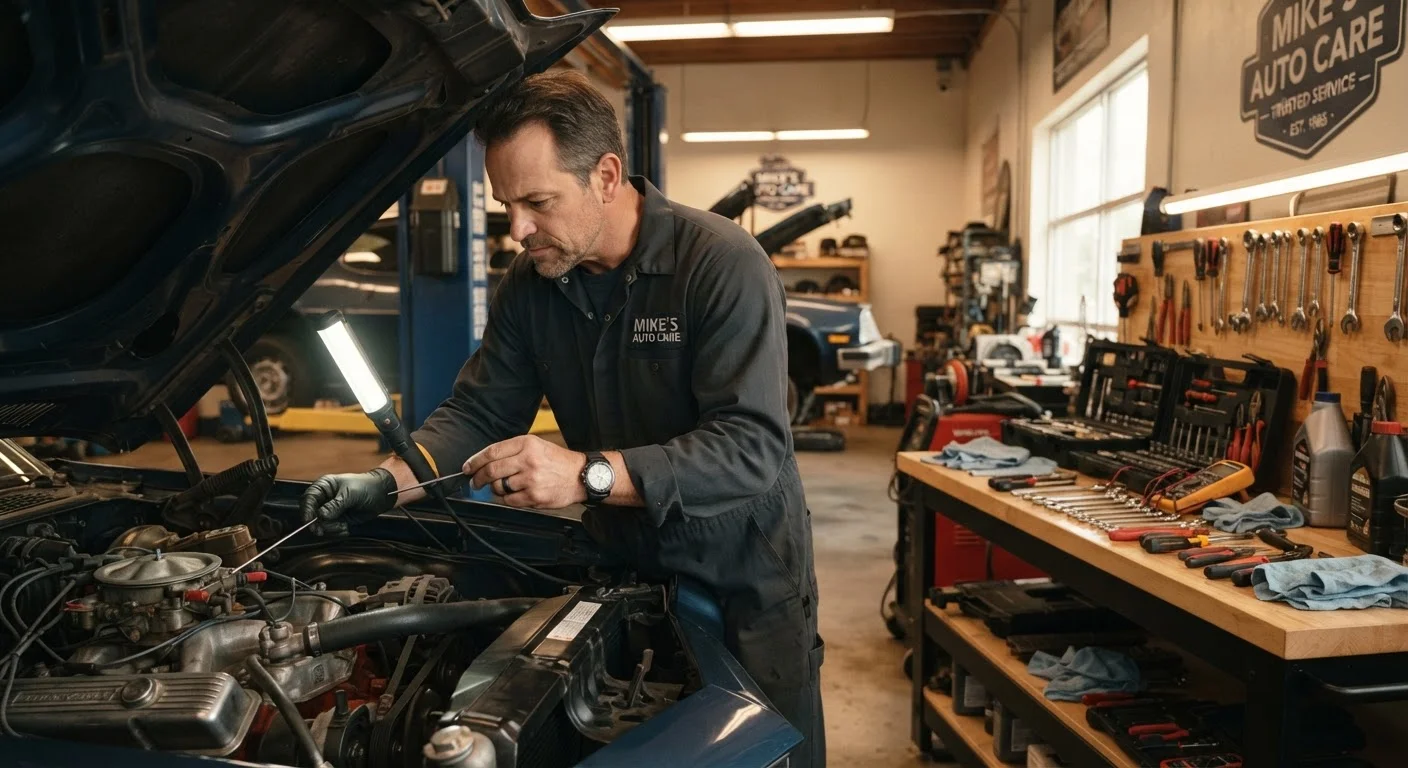
Keeping your vehicle in good mechanical and cosmetic shape is one of the few areas where owners have real influence. The car maintenance hub covers practical habits that support long-term vehicle health.
Depreciation in the Context of Total Ownership Cost
Depreciation doesn't exist in isolation. It's one of several ownership costs — alongside insurance, fuel, maintenance, financing interest, and registration fees — that determine what a vehicle truly costs you to own. When those costs are added together over a typical ownership period, the total often surprises people who budgeted only around the monthly payment.
Factor Depreciation Before You Buy
Before committing to a purchase price, research the projected resale or trade-in value of the vehicle at three and five years out using established automotive valuation resources. This gives you a clearer picture of total ownership cost — not just what you pay today, but what you'll recover later.
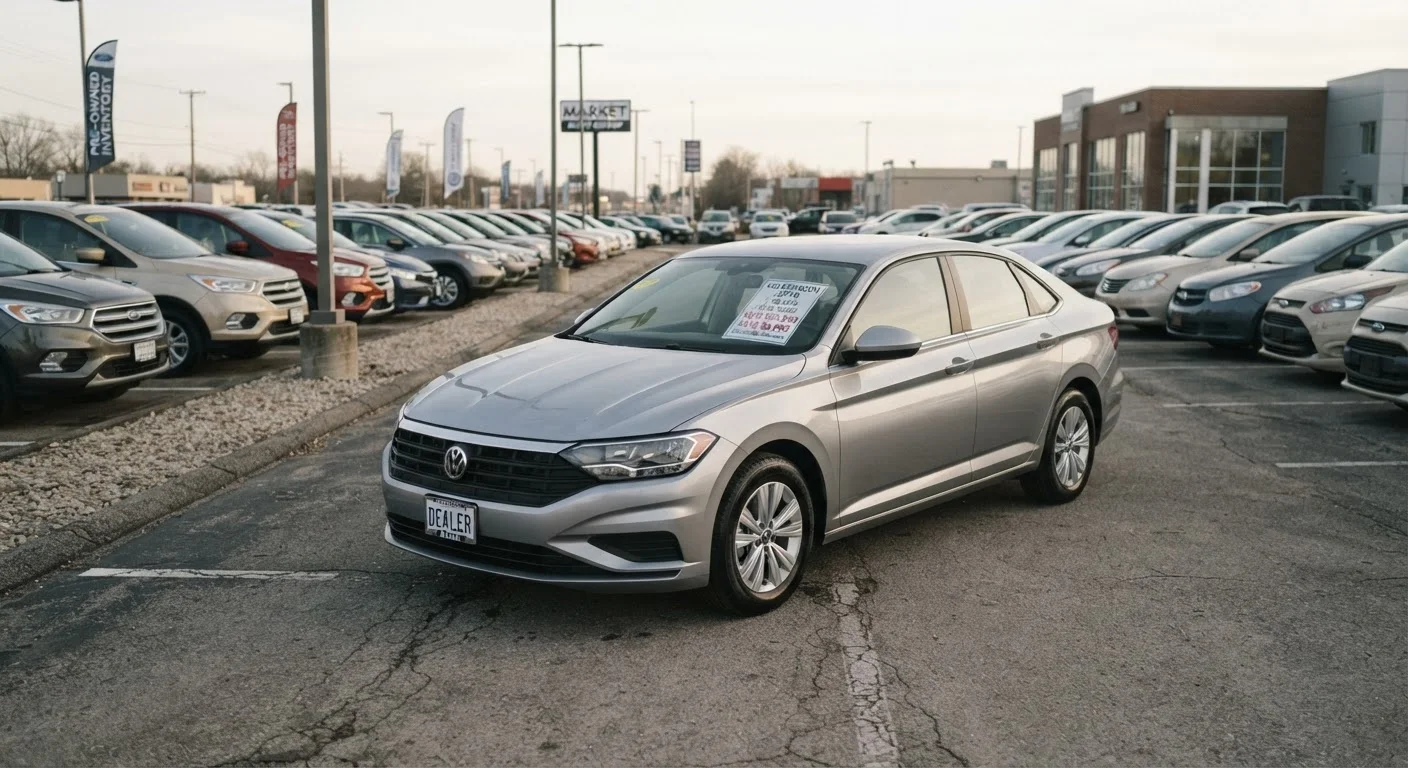
The decision between buying new, certified pre-owned, or used is fundamentally a depreciation decision. A vehicle that is one to three years old has already absorbed the sharpest value drop, meaning the next owner takes on a slower, more predictable rate of loss. See the trade-offs between new, CPO, and used vehicles for a fuller picture.
For a comprehensive view of all the costs involved, including how depreciation fits alongside insurance, fuel, and repairs, the full ownership cost breakdown is a useful starting point before making any purchase decision.