Search for : ""
6 nutrient-packed foods for lactating mothers
health

6 nutrient-packed foods for lactating mothers

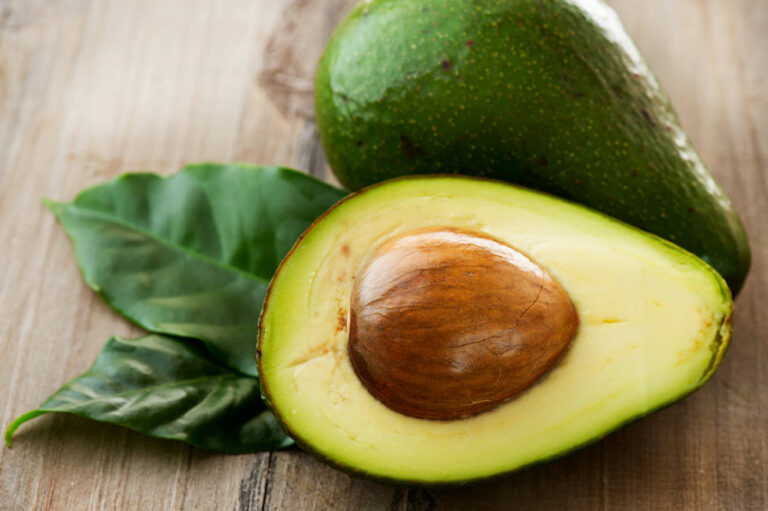
Lactating mothers must have nutritious meals to ensure their infants’ proper growth and development. Eating the right food items can help increase breast milk production, improve the mother’s health, and provide the baby with essential nutrients. Adding certain superfoods to the menu will deliver healthy nutrients to the mother and baby. Such foods are powerhouses of vitamins, minerals, and antioxidants that help boost milk production and energy and improve health. Avocados Avocados are rich in healthy fat, fiber, and numerous minerals and vitamins that boost a lactating parent’s health. It packs a high amount of potassium that helps maintain the body’s fluid balance and assists in the necessary muscle and nerve function. Its vitamin C and K content delivers the required antioxidants and blood clotting factors. Oleic acid in avocados helps reduce inflammation and the risk of heart complications, while folate provides the necessary components for the growth and development of the baby. Salmon Salmon contains a high amount of omega-3 fatty acids that are essential for the baby’s brain development. Salmon is also a good source of protein, vitamin D, and vitamin B12. With numerous benefits, salmon is a superfood for lactating mothers and is safe to use at least once or twice a week.
Read More
Avoid these 4 foods to manage cold sores
health

Avoid these 4 foods to manage cold sores

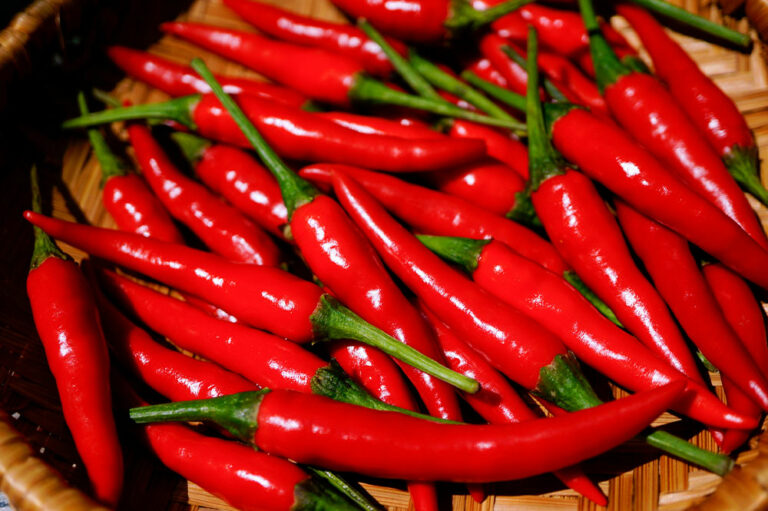
Cold sores, called fever blisters, are viral infections that lead to tiny, fluid-filled blisters. The blisters usually appear on and around one’s lips but can also affect one’s genitals. Cold sores are contagious and may lead to sore throat, itching, fever, or muscle aches. The infection often disappears without a scar after two to three weeks. Here is a list of foods to avoid to manage the symptoms of cold sores. Foods to avoid for cold sores Hot peppers and chilis Hot sauces and spicy condiments like peppers and chilis are best avoided during cold sores outbreaks. These foods are likely to worsen the symptoms of the infection and cause a cold sore to reopen. Nuts, poultry, and seeds Peanuts, walnuts, hazelnuts, almonds, sunflower seeds, sesame seeds, flax seeds, and poultry contain arginine, which may trigger cold sore outbreaks. The herpes virus needs arginine to multiply. So, the duration of the blister can be cut short, and the infection can be stopped from spreading if the virus is starved of L-arginine. While these foods contain other essential nutrients, one is advised to reduce the intake of food rich in L-arginine only until the cold sore is healed. Sugary cereals and processed foods Processed food like pasta, pizza, meat, snacks high in calories, sugary cereals, coke, or other artificially sweetened beverages is best avoided.
Read More
7 superfoods for improved blood count and circulation
health

7 superfoods for improved blood count and circulation

Our blood performs various bodily functions and is indispensable to human life. It carries infection-fighting cells and antibodies, transports waste products to the liver and kidneys, and provides oxygen to different body parts. Thus, optimal blood count and circulation are crucial for overall health and well-being. Since blood count and circulation are partially regulated by the nutrition derived from food, doctors recommend a healthy meal plan that includes the following: Lean meats Red meats like beef, veal, pork, and lamb and poultry like chicken are the richest meat sources of iron, which can considerably increase blood count. They are also associated with the production of trimethylamine N-oxide in the body, which may improve blood flow in those with low blood pressure. Thus, individuals looking to improve blood count and circulation may benefit from adding lean meats to their meals. Spinach A leafy green vegetable, spinach is among the most recommended foods to increase iron in the blood and fight anemia. However, experts recommend eating cooked spinach to acquire maximum nutrients. It is also essential to supplement iron-rich leafy green vegetables like spinach, kale, fenugreek, and Brussels sprouts with vitamin C, as this vitamin helps with iron absorption. A few foods with high reserves of vitamin C are oranges, grapefruit, papaya, and pumpkin.
Read More
9 foods people with overactive bladder must avoid
health

9 foods people with overactive bladder must avoid

An overactive bladder, or OAB, is a sudden, often uncontrollable urge to pass urine. Sometimes, OAB may also lead to urge incontinence or the inability to exercise urinary control. The condition is typically caused by infection, nerve damage, estrogen deficiency after menopause, or abdominal trauma. Besides seeking treatment and making some lifestyle changes, managing one’s meal plan can also contribute to rectifying the condition. Some foods that individuals with OAB should avoid are listed below. Caffeinated products Caffeine can aggravate OAB symptoms by increasing the frequency of urination and, in extreme cases, leading to urinary incontinence. Reduction of caffeine intake is advised for women grappling with urgency urinary incontinence. In addition, it helps to replace caffeinated beverages like tea and coffee with non-caffeinated alternatives like fresh fruit juices and milk (if one is not lactose intolerant). Tomatoes Due to their acidic nature, tomatoes may increase the acid levels in urine, causing problems like bladder irritation and increased urge to urinate. Thus, people with OAB should avoid tomatoes and products made of tomatoes, including pizza sauce, ketchup, and salsa. Oranges Being citric, oranges may also irritate one’s bladder and increase one’s urge to urinate. One should limit or avoid oranges, orange juice, and other citrus fruits like lemon, grapefruit, and lime for urinary control.
Read More
6 foods that can lead to weakened bones
health

6 foods that can lead to weakened bones

One of the biggest food-related cliches is “you are what you eat.” However, that phrase is spot on when it comes to one’s bone health. Eating the right foods can strengthen one’s bones significantly, while the wrong foods can weaken bones by leaving them vulnerable to conditions, such as osteoporosis, and also affect the quality of life at large. If you are at risk of bone-related issues, you must avoid these six foods. Hot dogs Its health hazards are well-known across the healthcare community. And yet, Monosodium Glutamate (MSG) is still a major flavor enhancer in many processed foods one can buy in the market. Foods such as hot dogs, beef jerky, mayonnaise, frozen pizzas, and fried chicken are seasoned with MSG to give them an irresistible taste, fragrance, and flavor. MSG can stimulate one’s nerve cells, leading to seizures and migraines. It can also decrease bone density in regular consumers of the above-mentioned foods. Coffee Caffeine is just as bad as MSG when bone health is the topic of discussion. Caffeine-rich beverages, such as coffee, decrease the bone’s ability to absorb adequate amounts of calcium from food for reinforcement purposes. This causes issues such as brittle and porous bones in the long run.
Read More
9 best foods for relieving constipation
health

9 best foods for relieving constipation

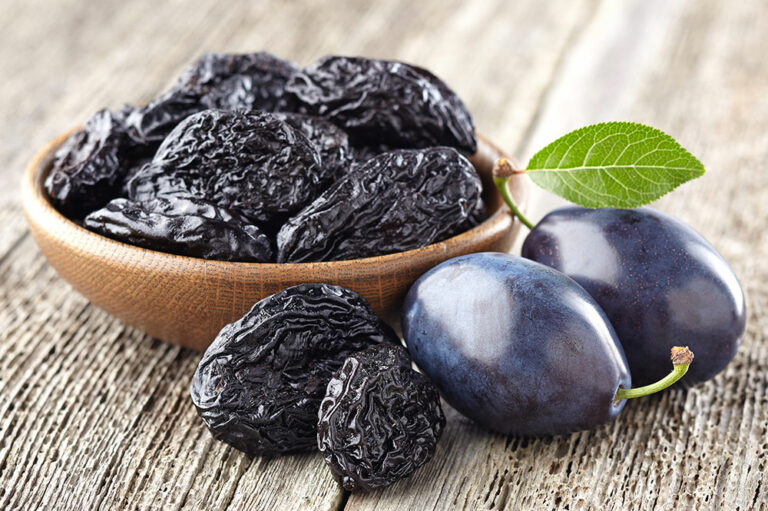
Constipation is a common problem that is characterized by symptoms like passing stools less than three times a week, straining, lumpy or hard stools, feeling blocked, and being unable to pass a stool. The intensity of these symptoms may vary from person to person. Healthy eating habits can help relieve constipation by adding bulk, softening the stool, and decreasing gut transit time. So, here are a few foods that can relieve constipation: Prunes Prunes are a popular natural remedy for constipation. They are rich in fiber, and the insoluble fiber content (cellulose) increases the water content in the stool, which adds bulk. The soluble fiber produces short-chain fatty acids in the colon, increasing bulk. Prunes also contain sorbitol and phenolic compounds, which have a laxative effect on the body. The combination of these three factors makes prunes an excellent home remedy for those struggling with constipation. Apples Apples are also a rich source of fiber. The insoluble fiber content adds bulk, while the soluble fiber (pectin) forms short-chain fatty acids and pulls water into the colon. This softens the stool and decreases gut transit time, which can help relieve constipation. For best results, one should have apples with their skin intact.
Read More
11 popular plants that are toxic to dogs
Pets

11 popular plants that are toxic to dogs

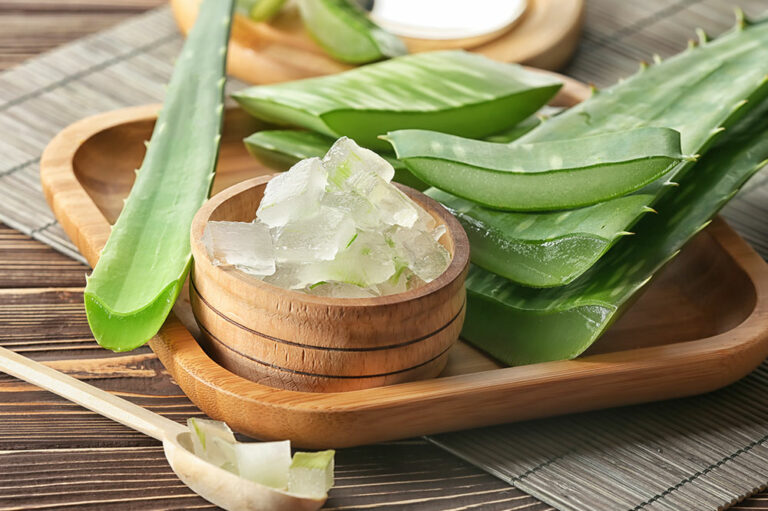
For dog parents, there’s perhaps nothing more important than the well-being of their four-legged babies. From selecting the most nutritious pet foods to ensuring regular exercise and grooming, pet parents go all out to fulfill their responsibilities. However, certain unlikely foods and products may prove fatal to these adorable creatures, and pet parents must keep themselves up to date about these threats. Here’s a look at some plants that are toxic to dogs. Aloe vera While aloe vera may have healing properties for humans, its consumption may be toxic to dogs. Some side effects dogs may suffer upon ingesting aloe vera are vomiting, diarrhea, tremors, and even comatose in some instances. Therefore, it’s crucial to place aloe vera plants away from them. Daffodils If eaten, these mesmerizing spring flowers can cause several health issues among dogs, including low blood pressure, intestinal spasms, diarrhea, and, in some cases, cardiac arrhythmia. Sago palm This plant resembles a miniature palm tree and is popularly grown indoors as well as outdoors. However, sago palms can lead to seizures, diarrhea, liver failure, and other life-threatening conditions if ingested by a dog. While their leaves and barks are also harmful, their nuts and seeds are more toxic to our canine friends.
Read More
9 foods people with overactive bladder must avoid
health

9 foods people with overactive bladder must avoid

An overactive bladder, or OAB, is a sudden, often uncontrollable urge to pass urine. Sometimes, OAB may also lead to urge incontinence or the inability to exercise urinary control. The condition is typically caused by infection, nerve damage, estrogen deficiency after menopause, or abdominal trauma. Besides seeking treatment and making some lifestyle changes, managing one’s meal plan can also contribute to rectifying the condition. Some foods that individuals with OAB should avoid are listed below. Caffeinated products Caffeine can aggravate OAB symptoms by increasing the frequency of urination and, in extreme cases, leading to urinary incontinence. Reduction of caffeine intake is advised for women grappling with urgency urinary incontinence. In addition, it helps to replace caffeinated beverages like tea and coffee with non-caffeinated alternatives like fresh fruit juices and milk (if one is not lactose intolerant). Tomatoes Due to their acidic nature, tomatoes may increase the acid levels in urine, causing problems like bladder irritation and increased urge to urinate. Thus, people with OAB should avoid tomatoes and products made of tomatoes, including pizza sauce, ketchup, and salsa. Oranges Being citric, oranges may also irritate one’s bladder and increase one’s urge to urinate. One should limit or avoid oranges, orange juice, and other citrus fruits like lemon, grapefruit, and lime for urinary control.
Read More