The Core Trade-Off: Time vs. Experience
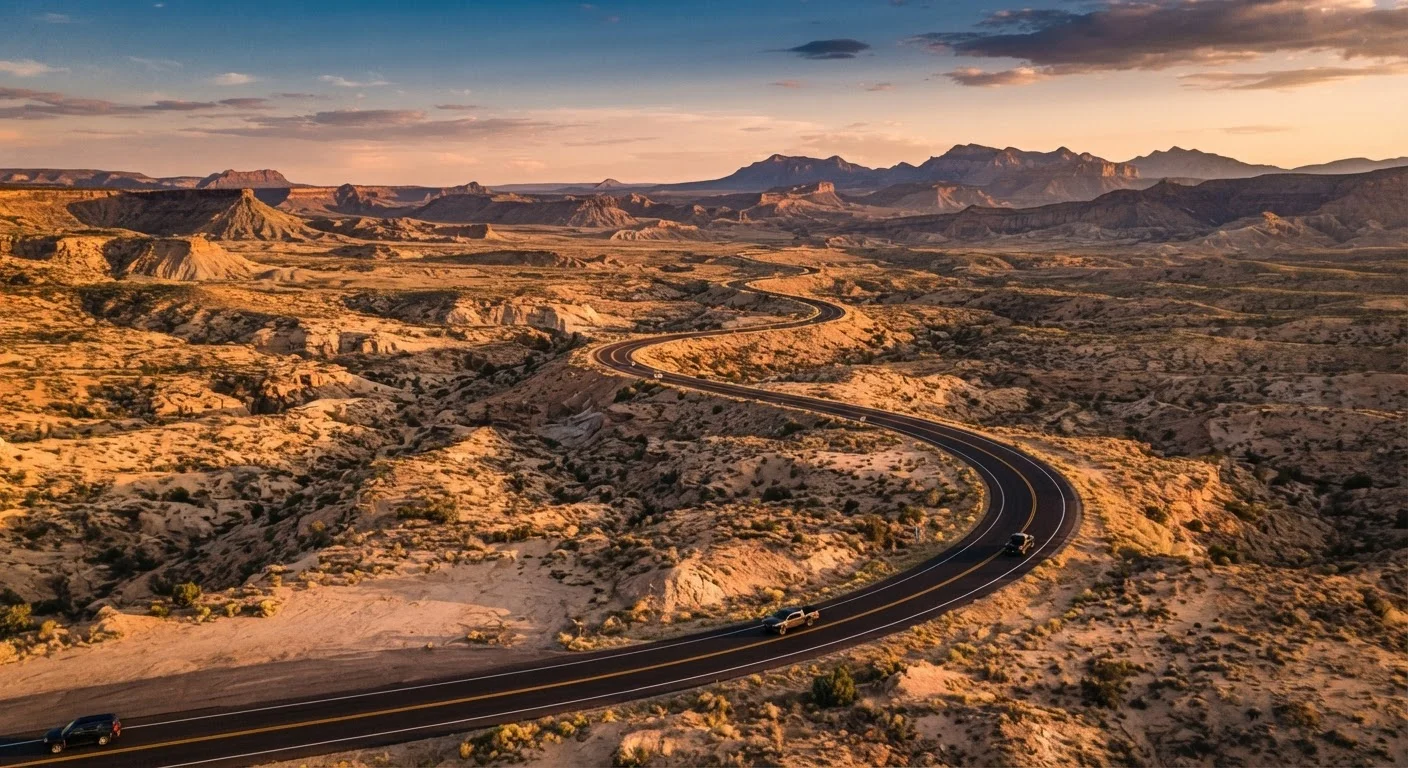
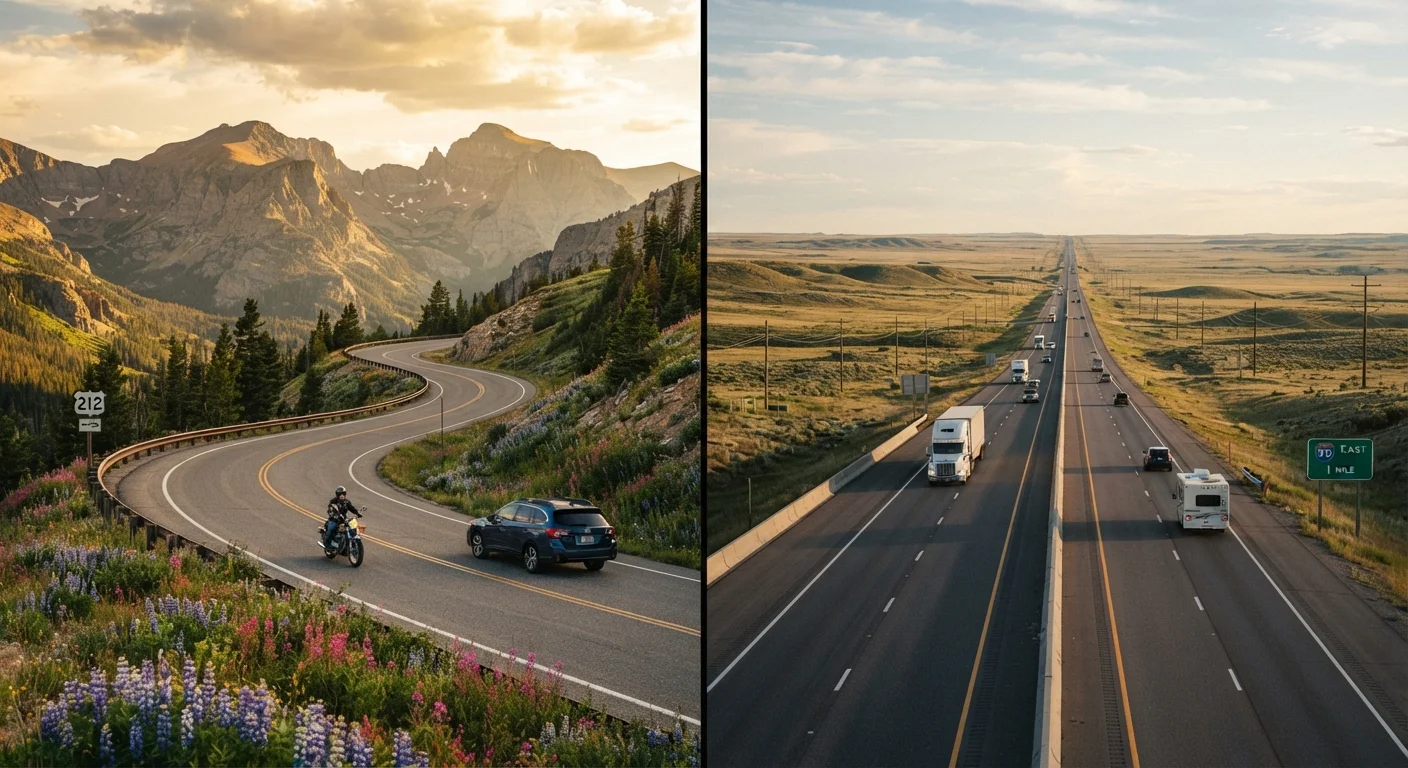
Every road trip route decision comes down to a single tension: how much of your trip do you want to spend getting somewhere versus being somewhere? Interstates are engineered for throughput — wide lanes, gentle grades, and exits spaced for efficiency. Scenic byways, many of which carry the America's Byways designation from the Federal Highway Administration, are selected precisely because they offer cultural, historic, or natural qualities that main corridors skip entirely.
The gap in travel time is real. A byway connecting two cities might add 60 to 90 minutes per 100 miles compared to a parallel interstate — sometimes more on mountain or canyon routes. That's not a reason to avoid them, but it does mean a byway day needs to be budgeted carefully. See our guide to building a road trip itinerary for practical advice on building time buffers that don't wreck your schedule.
| Criterion | Scenic Byways | Interstate Highways |
|---|---|---|
| Travel speed | Slower — curves, stops, lower limits | Faster — designed for throughput |
| Scenery & character | High — selected for natural/cultural value | Low — built to bypass interesting terrain |
| Fuel stop frequency | Unpredictable, sometimes 50+ mile gaps | Consistent exits every 10–30 miles |
| Cell coverage | Spotty in rural and canyon areas | Generally reliable along major corridors |
| Road surface & maintenance | Varies widely by state and season | Consistently maintained to federal standards |
| Best vehicle type | Any; AWD/4WD useful on mountain byways | Any standard vehicle |
| Ideal trip length | Works best as day-segments or short loops | Suited for full-day or multi-day hauls |
Logistics That Actually Matter on the Road
Interstates excel at infrastructure. Gas stations, fast food, chain motels, and EV charging stations cluster around exits at predictable intervals. If something goes wrong with your vehicle, you're rarely far from help. That reliability is worth something, especially on longer hauls or with passengers who need regular stops.
Byways demand more preparation. Rural routes may have fuel gaps of 50 miles or more, cell service can drop in valleys and canyons, and some stretches are two-lane roads without shoulders. Weather compounds this — a mountain byway that's fine in August may be genuinely hazardous in spring or fall. Before any byway segment, check road conditions through your state's DOT website, confirm fuel stop locations, and make sure your vehicle is properly prepped. Our pre-trip vehicle checklist covers what to inspect specifically before remote driving.
Seasonal Closures Are Common on Byways
Many scenic byways — particularly in national forests, high deserts, and mountain ranges — close seasonally due to snow, flooding, or fire damage. Some closures aren't widely publicized until you're already en route. Always verify current status directly with the relevant state DOT or land management agency before departure, particularly for spring and late fall travel.
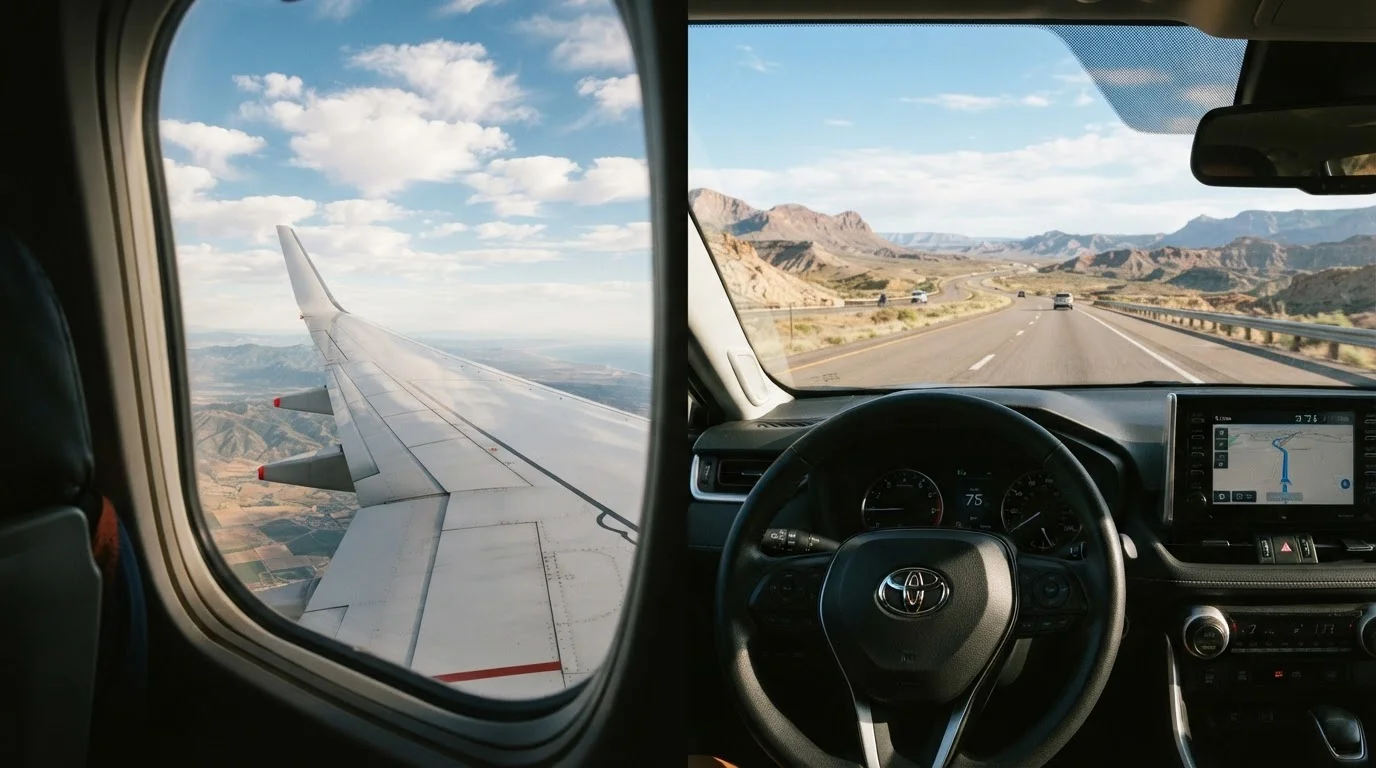
For travelers weighing whether to drive at all, this real-cost comparison between flying and driving breaks down where each option makes financial sense.
Making the Hybrid Approach Work
The most practical road trip strategy for many travelers isn't a binary choice — it's a deliberate mix. Use the interstate to cover long flat stretches efficiently, then branch onto a byway when the geography or destination justifies it. This keeps your overall mileage achievable while still delivering the kind of views and stops that make a road trip worth doing in the first place.
The country's most celebrated routes — from the Pacific Coast Highway to the Blue Ridge Parkway — work well as dedicated day-segments rather than replacements for an entire corridor. Drop onto them when you have margin in the schedule, and return to the interstate when you need to make up ground. If this is your first time planning a trip of this scope, this first-timer's guide to long-distance road trips walks through the full planning process from route selection to overnight logistics.
150+
America's Byways designated routes nationwide
The Federal Highway Administration's America's Byways program recognizes routes meeting criteria across six intrinsic qualities including scenic, historic, and recreational value.
48,000 mi
Total length of the US Interstate Highway System
The Dwight D. Eisenhower National System of Interstate and Defense Highways spans roughly 48,000 miles, connecting nearly every major American city.