A straightforward pre-exercise checklist covering health screenings, equipment basics, goal-setting, and safety considerations for new exercisers.
Key Takeaways
A brief health screening before starting exercise helps identify conditions that need a doctor's clearance.
Setting realistic, specific goals early on increases the likelihood of sticking with a new program.
Proper footwear and basic equipment checks are essential for injury prevention.
Knowing the difference between normal exertion and warning signs can keep you safe during workouts.
Starting gradually and building intensity over time is the most evidence-supported approach for new exercisers.
Why a Pre-Exercise Checklist Matters
Starting a new exercise program is one of the most impactful health decisions you can make — but jumping in without any preparation is a common reason people get injured, burn out, or quit within the first few weeks. A short pre-exercise review helps you identify any medical considerations, set up a realistic plan, and choose equipment that actually fits your needs.
This checklist is designed for adults who are new to regular physical activity or returning after a significant break. It is general health information, not a substitute for personalized medical advice. If you have any existing health conditions or have been sedentary for an extended period, consult a qualified healthcare professional before beginning a new exercise routine.
Once you've worked through these items, you'll be ready to take the next step. Our guide to building a weekly exercise routine offers a practical framework for structuring your workouts once you're cleared to go.
Health Screening
Schedule a check-in with your primary care provider if you are over 45, have a chronic condition (such as heart disease, diabetes, or hypertension), or have been inactive for more than a year.Must
Complete a Physical Activity Readiness Questionnaire (PAR-Q), a brief, widely used self-screening tool that flags symptoms or conditions requiring medical clearance before exercise.Must
Review any current medications with your healthcare provider to understand whether they affect heart rate, hydration, or exercise tolerance.Should
Note any joint pain, recent injuries, or surgeries that may require exercise modifications.Must
Goal Setting
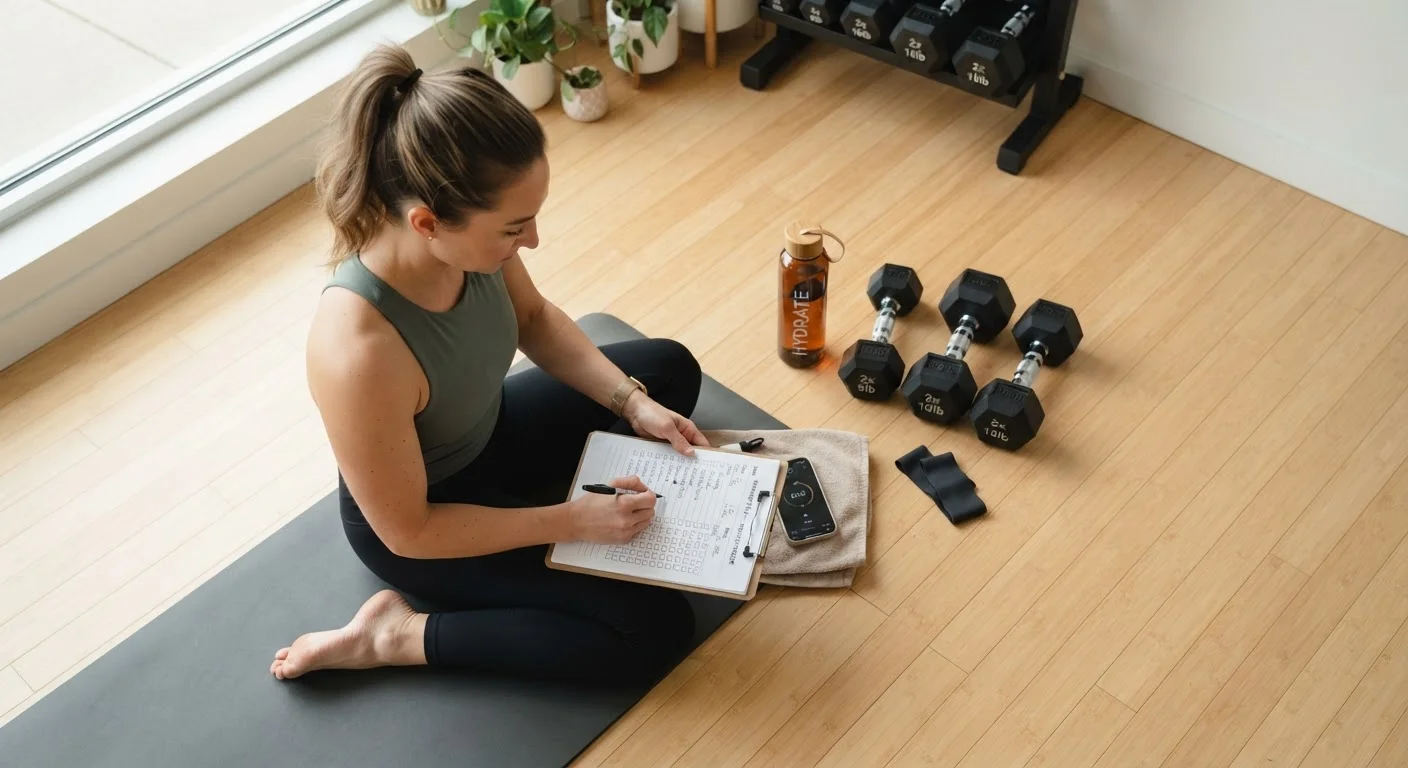
Write down one specific, measurable goal — for example, "walk for 20 minutes three times a week" — rather than a vague intention like "get fit."Must
Identify your primary motivation (energy, sleep, weight management, stress relief) to help you choose the right type of activity.Should
Set a realistic timeline and build in scheduled rest days from the start — recovery is a recognized component of effective exercise programming.Must
Equipment and Clothing
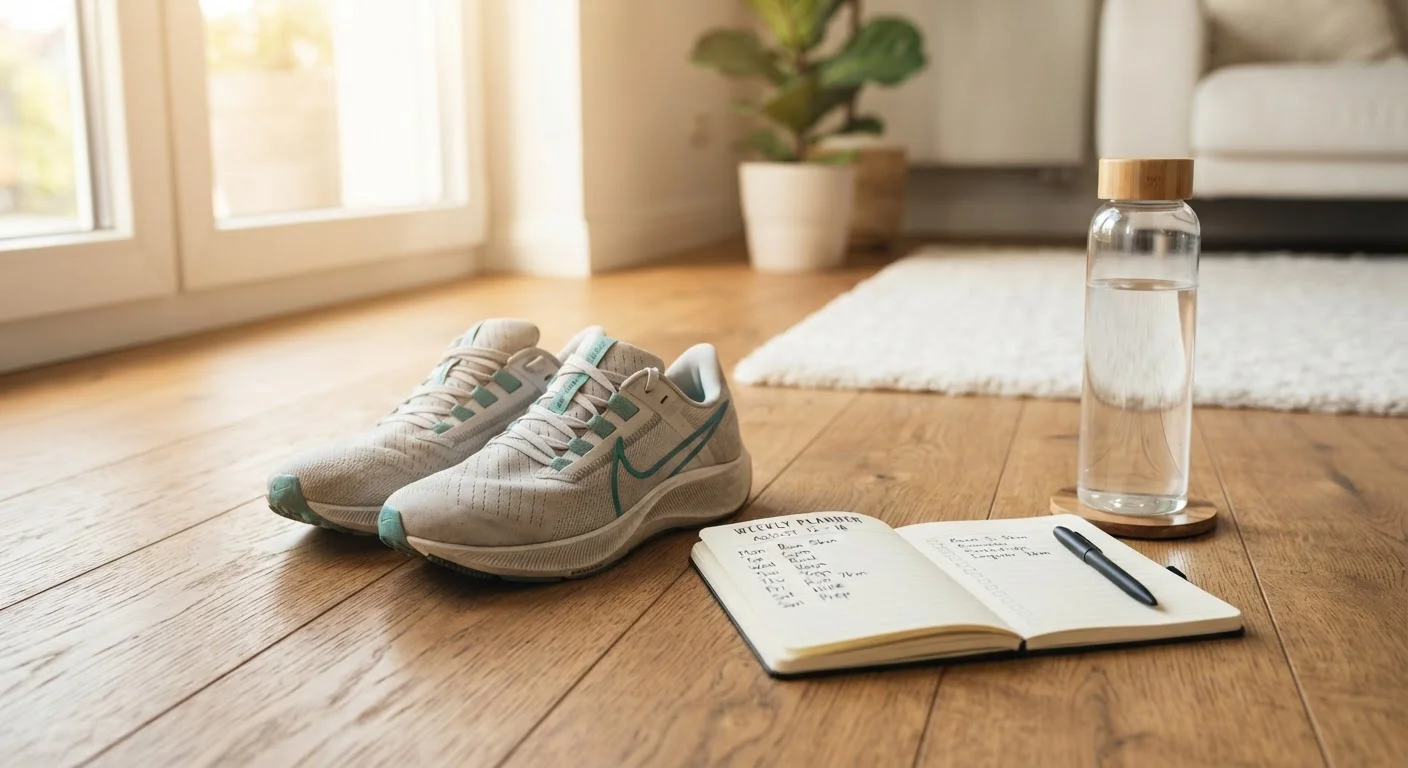
Choose athletic footwear designed for your primary activity (running shoes for running, cross-trainers for gym work) and confirm they fit correctly with no heel slippage.Must
Wear moisture-wicking, breathable clothing appropriate for the environment where you'll be exercising.Should
If exercising outdoors, prepare sun protection: SPF sunscreen, a hat, and UV-protective clothing where appropriate.Should
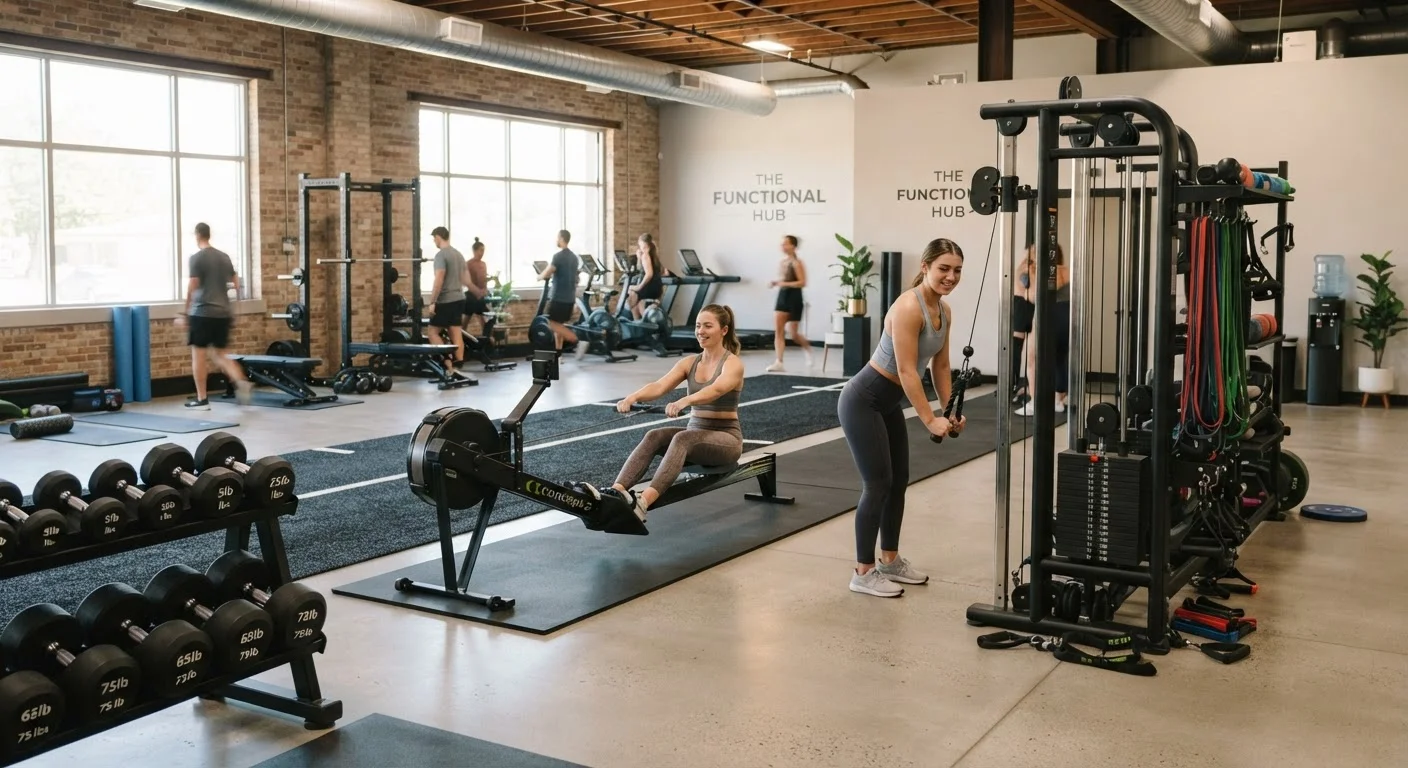
Inspect any equipment you plan to use (resistance bands, weights, treadmills) for visible wear, fraying, or mechanical issues before your first session.Must
Safety and Warning Signs
Learn the difference between normal exercise discomfort (muscle fatigue, mild breathlessness) and warning signs that require stopping immediately, such as chest pain, dizziness, or severe shortness of breath.Must
Identify the location of a first-aid kit and, if exercising at a gym, the nearest Automated External Defibrillator (AED).Should
Plan to exercise with a partner or inform someone of your location and expected return time when working out alone, especially outdoors.Nice to have
Keep a fully charged phone accessible during workouts in case of emergencies.Should
Hydration and Nutrition Basics
Hydrate consistently throughout the day before exercising — arriving at a workout already dehydrated impairs performance and increases injury risk.Must
Avoid exercising on a completely empty stomach for high-intensity sessions; a light snack 60–90 minutes before can support energy levels for most healthy adults.Should
Have water readily available during your workout and plan to drink regularly, not only when thirsty.Must
Tools and Resources You'll Need
You don't need a lot to get started, but having the right basics in place makes the process much smoother. The items below cover what's useful for working through this checklist and for your first few weeks of exercise.
Required
PAR-Q Form
A free, printable self-screening questionnaire used to identify whether you need medical clearance before starting exercise.
Required
Athletic Footwear
Properly fitted shoes appropriate for your chosen activity reduce the risk of foot, knee, and ankle injuries.
Required
Water Bottle (reusable, at least 20 oz)
Supports consistent hydration before, during, and after exercise sessions.
Optional
Fitness Tracker or Smartphone
Useful for tracking workout duration, steps, or heart rate — helpful for monitoring progress over time.
Optional
Notebook or Workout Log App
Recording your workouts helps identify progress, spot patterns, and stay accountable to your goals.
If you're unsure what any gym equipment terms mean, the Fitness Equipment Decoded reference guide breaks down common tools in plain language — a useful companion before your first gym visit.
Stop Exercise Immediately If You Experience These Signs
Chest pain or pressure, sudden dizziness, severe shortness of breath disproportionate to your effort level, heart palpitations, or fainting are all signals to stop exercising immediately and seek medical attention. These are not normal responses to exertion and should never be dismissed as "just pushing through it." If symptoms are severe or persist, call 911 or your local emergency number.
This article is for general informational and educational purposes only and does not constitute medical advice. Always consult a qualified healthcare professional before starting a new exercise program, especially if you have an existing health condition, are pregnant, are over 45, or have been inactive for a prolonged period.
Health & Wellness Editorial Team is the collective byline for our editorial team and contributor network. Articles published under this byline or an editorial pen name are researched, written, and reviewed according to our editorial standards for clarity, consistency, and independence before publication.
The content on this site is for informational purposes only and is not a substitute for professional advice. Always consult a qualified professional for guidance specific to your situation.