
Understanding What a Stomach Bug Actually Is
The term "stomach bug" typically refers to viral gastroenteritis — an inflammation of the stomach and intestines caused most often by norovirus or rotavirus. Despite the common nickname "stomach flu," it has no relation to influenza. Symptoms typically include nausea, vomiting, diarrhea, stomach cramps, and sometimes a low-grade fever. Onset is usually rapid, and in otherwise healthy adults the illness is self-limiting, meaning the body clears the infection without specific treatment.
Bacterial causes — such as Salmonella, E. coli, or Campylobacter from contaminated food or water — can produce similar symptoms but may be more severe or longer-lasting. Food poisoning and viral gastroenteritis can be difficult to distinguish without laboratory testing, which is one reason a healthcare provider should be consulted if symptoms are unusually severe or prolonged.
What you will need
Step-by-Step: Self-Care That Evidence Supports
The following steps are grounded in guidance from established clinical and public health sources, including the U.S. Centers for Disease Control and Prevention and the American Academy of Pediatrics. No single remedy guarantees a faster recovery, but consistently applying these measures supports your body's natural healing process.
Oral Rehydration Solution (ORS)
Replenishes fluids and electrolytes lost through vomiting and diarrhea more effectively than plain water.
Digital Thermometer
Monitors body temperature to detect fever and track whether it worsens over time.
Hot Water Bottle or Heating Pad
Provides gentle warmth to the abdomen to help ease cramping and discomfort.
Electrolyte Drink or Sports Drink (low-sugar)
An alternative to homemade ORS for replacing lost minerals when plain water feels unappealing.
Rest and isolate to protect others
The moment symptoms begin, rest as much as possible. Viral gastroenteritis spreads easily through contact with contaminated surfaces, fecal matter, and sometimes respiratory droplets. Stay home from work, school, or social gatherings for at least 48 hours after your last episode of vomiting or diarrhea. Wash your hands thoroughly with soap and water — especially after using the bathroom and before handling food — since hand sanitizer alone is less effective against norovirus.
Prioritize fluid replacement above all else
Dehydration is the primary danger of a stomach bug, not the infection itself. Begin sipping fluids as soon as vomiting allows — even a few teaspoons every few minutes helps. Oral rehydration solutions (ORS) are the gold standard because they contain the right ratio of glucose and sodium to aid intestinal absorption. Water, diluted broth, and herbal teas are acceptable secondary options. Avoid caffeinated, alcoholic, or very sugary drinks, which can worsen diarrhea.
Reintroduce food gradually using the bland diet approach
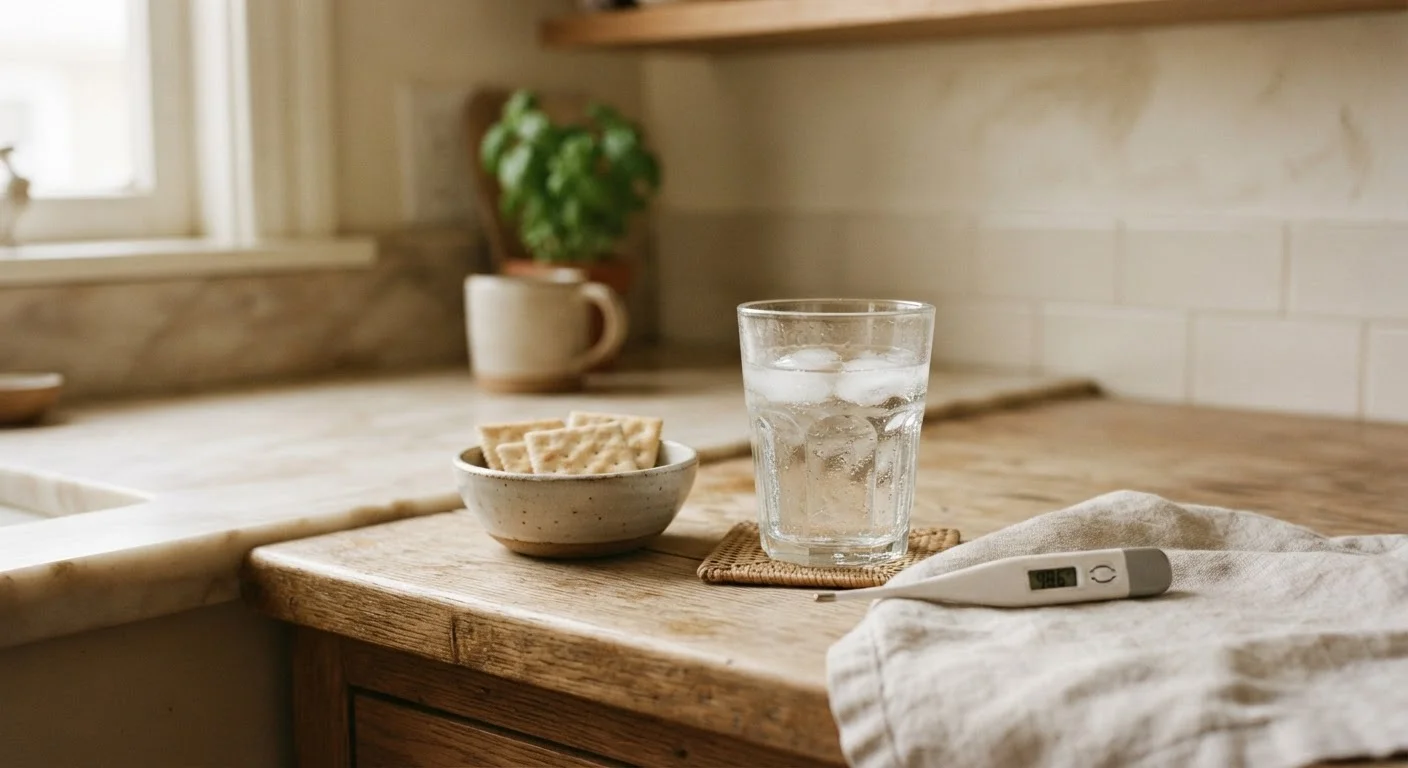
Do not force food during the acute vomiting phase. Once nausea subsides and you can tolerate fluids, slowly reintroduce low-fiber, easily digestible foods. Commonly recommended options include plain toast, saltine crackers, plain white rice, bananas, and boiled potatoes. These foods are gentle on an irritated gastrointestinal tract. Avoid dairy, fatty or fried foods, spicy dishes, and raw vegetables until you feel fully recovered, as these can prolong symptoms.
Manage symptoms with appropriate over-the-counter options
Some over-the-counter medications can reduce discomfort, but they should be used thoughtfully. Medications that slow gut motility may not be appropriate in all cases — discuss suitability with a pharmacist or physician before use. For fever or body aches, acetaminophen is generally well-tolerated; avoid ibuprofen or aspirin if vomiting is frequent, as these can irritate the stomach lining. Never give aspirin to children or teenagers with a viral illness due to the risk of a rare but serious condition called Reye's syndrome.
Monitor for warning signs that require medical care
Most stomach bugs resolve within 24 to 72 hours. Track your symptoms by noting how often you are vomiting or having diarrhea, whether you are urinating (a key hydration indicator), and your temperature. If symptoms are worsening rather than improving after 48 hours, or if you experience any of the red-flag symptoms described in the important callout below, contact a healthcare provider promptly.
When to Seek Emergency Care
Go to an emergency room or call 911 if you or someone in your care cannot keep any fluids down for more than 24 hours, shows signs of severe dehydration (extreme dizziness, no urination, rapid heartbeat, confusion), passes blood in vomit or stool, or has a fever above 104°F (40°C). Infants, older adults, and people with compromised immune systems are at higher risk for serious complications and should consult a healthcare provider sooner rather than later.
Don't Self-Medicate With Antibiotics
Viral gastroenteritis — the most common cause of stomach bugs — does not respond to antibiotics. Using antibiotics unnecessarily contributes to antibiotic resistance and can disrupt your gut microbiome. If you suspect a bacterial cause or food poisoning, speak with a healthcare provider before taking any medication.
Make Your Own Oral Rehydration Solution
The World Health Organization's formula can be approximated at home by dissolving one liter of safe water with six level teaspoons of sugar and half a teaspoon of salt. This simple solution closely matches the electrolyte balance your body loses through vomiting and diarrhea. Sip it slowly rather than gulping large amounts at once.
This article is for general informational purposes only and does not constitute medical advice. Always consult a qualified healthcare professional for personal health concerns, diagnosis, or treatment decisions.