Search for : ""
Foods that can trigger digestive issues
health

Foods that can trigger digestive issues

People should get tested for food allergies to eliminate foods that could leave them with compromised digestive systems. Those who have recently suffered an infection or have been recommended powerful treatment can also experience changes in their gut microbiota. It is yet another case where digestive problems can arise. Some common signs of poor digestive function include difficulty swallowing, painful swallowing, or chest pain while eating. Individuals with digestive trouble must avoid trigger foods. Processed foods Fiber helps regulate the digestive system. Processed foods are not only low in fiber but also high in salts, preservatives, and food coloring. It makes things difficult for people with sensitive stomachs. Fiber deficiency leads to increased constipation, while the additives cause issues like gas, bloating, indigestion, and acid reflux. Artificial sweeteners Foods and beverages prepared with artificial sweeteners cause a change in the body’s natural gut bacteria. This can lead to gastrointestinal tract problems. Sugar-free drinks, candies, and gums are the best examples. They are loaded with refined sugar alternatives like xylitol, maltitol, and sorbitol, which cause gas, bloating, and other digestive and laxative effects. They can also cause the body to produce more acid than it needs, leading to stomach ulcers. Spicy foods Although spices are believed to help with digestion, they can trigger digestive problems in people with sensitive stomachs.
Read More

Avoid these 4 foods to maintain digestive health
health

Avoid these 4 foods to maintain digestive health

People with inflammatory bowel diseases (IBDs), like Crohn’s disease and ulcerative colitis, can experience symptoms such as rectal bleeding, diarrhea, abdominal pain, fatigue, and muscle loss. IBDs cause inflammation in the colon, rectum, upper gastrointestinal tract, and other critical areas in the digestive and excretory systems. Certain foods can trigger such inflammation and aggravate IBD symptoms. So, the following foods should be avoided when dealing with an IBD. Foods to avoid One should make changes to their meal plans when dealing with digestive or gastrointestinal issues like Crohn’s disease, ulcerative colitis, diverticulitis, malabsorption, short bowel syndrome, and intestinal ischemia. Here are foods to avoid for IBD: Coffee Caffeine-based drinks like coffee can aggravate inflammation associated with an IBD, especially Crohn’s disease. Regular and excessive coffee intake can cause diarrhea, flare-ups, and discomfort in people dealing with bowel issues, making coffee one of the key foods to avoid for IBD. Walnuts Nuts and seeds of all kinds are difficult for the body to digest and absorb, worsening symptoms of IBD. Healthcare experts and nutritionists advise people with the condition to avoid nuts like walnuts, hazelnuts, pecans, cashews, almonds, peanuts, and seeds like sunflower seeds, flaxseeds, wild rice, and pumpkin seeds. Limiting these foods can help one avoid flare-ups, gas, diarrhea, and bloating.
Read More
6 perfect times to drink water every day
health

6 perfect times to drink water every day

A significant percentage of our body is made up of water, so there’s no denying that it is essential to our overall health. While most people understand that they must drink approximately eight glasses every day, they don’t know that there are certain times when the habit can be more helpful. So, understand when to drink water for maximum benefits instead of chugging multiple glasses whenever you feel like it. Immediately after waking up Drink a glass or two of water first thing in the morning. Supplying H2O to your body on an empty stomach has numerous benefits. It helps cleanse the bowels, flush toxins, boost energy levels, improve skin health, and even strengthen the immune system, among other things. Before and during meals A glass of water before a meal enhances the feeling of fullness and curbs the tendency to overeat. On the other hand, drinking water during a meal helps with digestion, especially if you’re eating high-fiber foods like beans, lentils, and oatmeal. That said, don’t drink too much, as it may dilute the natural juices that aid digestion. Before and after exercise For moderate-intensity daily workouts, drink a glass or two of water about 30 minutes before starting.
Read More
Avoid these food items while dealing with arthritis
health

Avoid these food items while dealing with arthritis

Arthritis, in simple language, refers to joint disease causing joint pain. Arthritis is not a single disease; doctors have been able to discover more than 100 types of arthritis. Arthritis is not age-specific, which means it can happen to anyone, at any age, any sex, and any race. In America, it is the major cause of disability where more than 300,000 children and 50 million adults suffer from arthritis. The body of a person suffering from arthritis is in an inflammatory state. Certain foods are to be avoided with arthritis as they not only increase inflammation but also push the person towards obesity and other chronic diseases such as heart attack and disabilities. Even though arthritis does not have a specific diet cure, certain foods to avoid with arthritis have shown to trigger inflammation, affect bones, and damage the immune system. There are different kinds of food that have the ability to promote or control inflammation. When anti-inflammatory food options are made a part of daily diet, pain resulting due to arthritis can be crushed to a great extent. Certain inflammation triggers in foods that can lead to arthritis and attached pain and swelling. Here is a list of foods to avoid with arthritis.
Read More
5 rookie mistakes truck drivers should bypass
auto

5 rookie mistakes truck drivers should bypass

Beginning a new career, especially one that involves driving across the country, can be exciting. Truck drivers transport everyday essentials, whether it’s phones, clothes, or construction materials, making their job crucial for the functioning of businesses and households. However, many rookie drivers can make mistakes in their first few days on the job. Some such mistakes can cause significant damage to life and property. So, here are common lapses that rookie truck drivers should avoid: A common issue most truck drivers face is fatigue. High levels of fatigue are common considering the long work hours on the road. However, there are unions and organizations that ensure these drivers are not exploited to avoid vehicle crashes when drivers fall asleep at the wheel. Going too fast Truck driving regulations in the country allow up to 20,000 pounds per single axle and up to 34,000 pounds per tandem axle, meaning the load can exert a lot of pressure on the wheels. Driving too fast may result in a loss of control and subsequent overturning of the vehicle or an accident. This is why it is best to practice caution while driving the truck, and remember that an accident can slow you down way more than driving at reduced speeds.
Read More
5 worst foods that impact cognitive function and memory
health

5 worst foods that impact cognitive function and memory

Studies indicate that the human brain absorbs about 20-30% of energy from one’s daily calorie intake. Brain health determines a person’s cognitive abilities, including learning, attention, memory, reasoning, problem-solving, and decision-making. Cognitive capacity is greatly dependent on the type of food one eats. Nutrient and antioxidant-rich nuts, eggs, fish, fruits, and vegetables boost cognitive functionality. But certain foods, like the ones mentioned below, are best avoided to ensure optimal brain function. Refined sugars Added or refined sugars can include baked goods like donuts, candies, chocolates, cakes, cookies, ice cream, and more can lead to memory problems. Glucose is an essential component to fuel one’s cellular capability, but overconsumption of it in the form of added or white sugar can slow down one’s cognitive functions. Some studies indicate a link between chronic intake of refined sugar and memory impairment. Sodas and energy drinks Energy drinks and sodas are marketed as products that instantly boost one’s energy levels but could also lead to forgetfulness. Elevated blood sugar levels due to high intake of sugary beverages may lead to diabetes, abnormal insulin levels, and decreased blood flow to the brain. These, in turn, heighten the risk of developing Alzheimer’s disease and dementia. Vegetable oils Vegetable oils can provide the much-needed omega-3 fatty acids, but the high intake of refined oil made from corn, canola, or sunflower is associated with an increased risk of cognitive decline.
Read More
6 herbs and spices for managing cancer symptoms
health

6 herbs and spices for managing cancer symptoms

Also called the emperor of maladies, cancer affects nearly 1 million people in the country. It is also the second leading cause of death globally, heart disease being the leading cause. Most of the time, cancer affects those people whose family has a history of cancer. Genes carrying cancer-triggering cells are passed down from one generation to the next. In other cases, prolonged exposure to radiation or toxic substances can chemically induce cancer. This exposure can be a result of occupational hazards, lifestyle choices such as smoking, or due to radiation therapy. Cancer can be of many types. We have listed 4 types of cancers below: Carcinoma is a type of cancer that mainly affects the epithelial tissue lining that covers most organs and the internal pathways and forms the skin layer. Major organs at risk include the esophagus, lungs, stomach, breast, pancreas, colon, rectum, and gland cells. Sarcomas mainly affect the bones and soft connective tissues in the body. There are over 70 different types of sarcomas that mainly affect the muscles, blood vessels, nerves, tendons, fat deposits, and also the lining of the joints. Leukemia is not a single cancer but a broad category of cancers that affect blood cells.
Read More
6 foods to make your immune system stronger
health

6 foods to make your immune system stronger

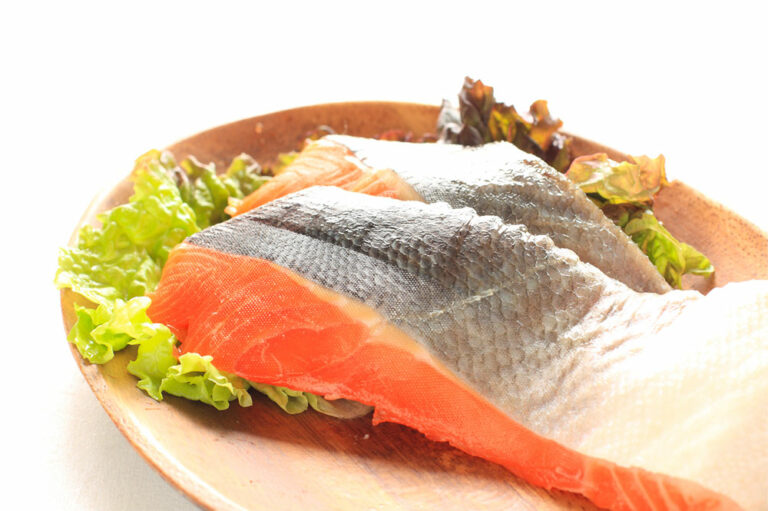
A strong immune system is an essential part of leading a healthy life. A healthy immune system incorporates organs, tissues, proteins, and bodily processes that help fight infections caused by bacteria, viruses, and other foreign bodies. There are multiple ways to improve and maintain a strong immune system, one of which is to eat certain foods. Read on to learn more about foods that help in boosting one’s immune system. Yogurt Yogurt and other probiotic foods are essential to improving the body’s immune system. These foods help to improve the microbiome and bacteria that reside in the gut and the digestive tract. These bacteria play a crucial role in regulating the immune system. They also help ensure that the immune system only attacks infection and harmful bacteria and viruses but not healthy cells and tissue in the body. Besides yogurt, you can add other probiotic foods like kimchi and kombucha to your meals. Fatty fish Fatty and oily fish such as salmon, tuna, mackerel, and more contain loads of antioxidants, omega-3 fatty acids, and essential nutrients. Omega-3 fatty acids are linked with lower risks of developing conditions such as heart disease, rheumatoid arthritis, and even eczema. It also helps with the prevention of certain autoimmune disorders and even cancer.
Read More