Why Peak Season Isn't One-Size-Fits-All
Many travelers assume peak season means summer — and for plenty of destinations, that's accurate. But treating it as a universal rule leads to planning mistakes. A destination's busiest window is determined by a combination of climate, regional school calendars, and the type of experience it offers.
Florida's Gulf Coast beaches peak from December through April, when northern snowbirds arrive and winter travelers seek warmth. Death Valley's visitor surge happens in the cooler months of October through March. New England's peak is split: summer brings hikers and lake visitors, while fall foliage draws a second, compressed wave in October. Understanding this destination-specific logic is the starting point for any realistic trip plan.
Peak Season Varies Even Within a Region
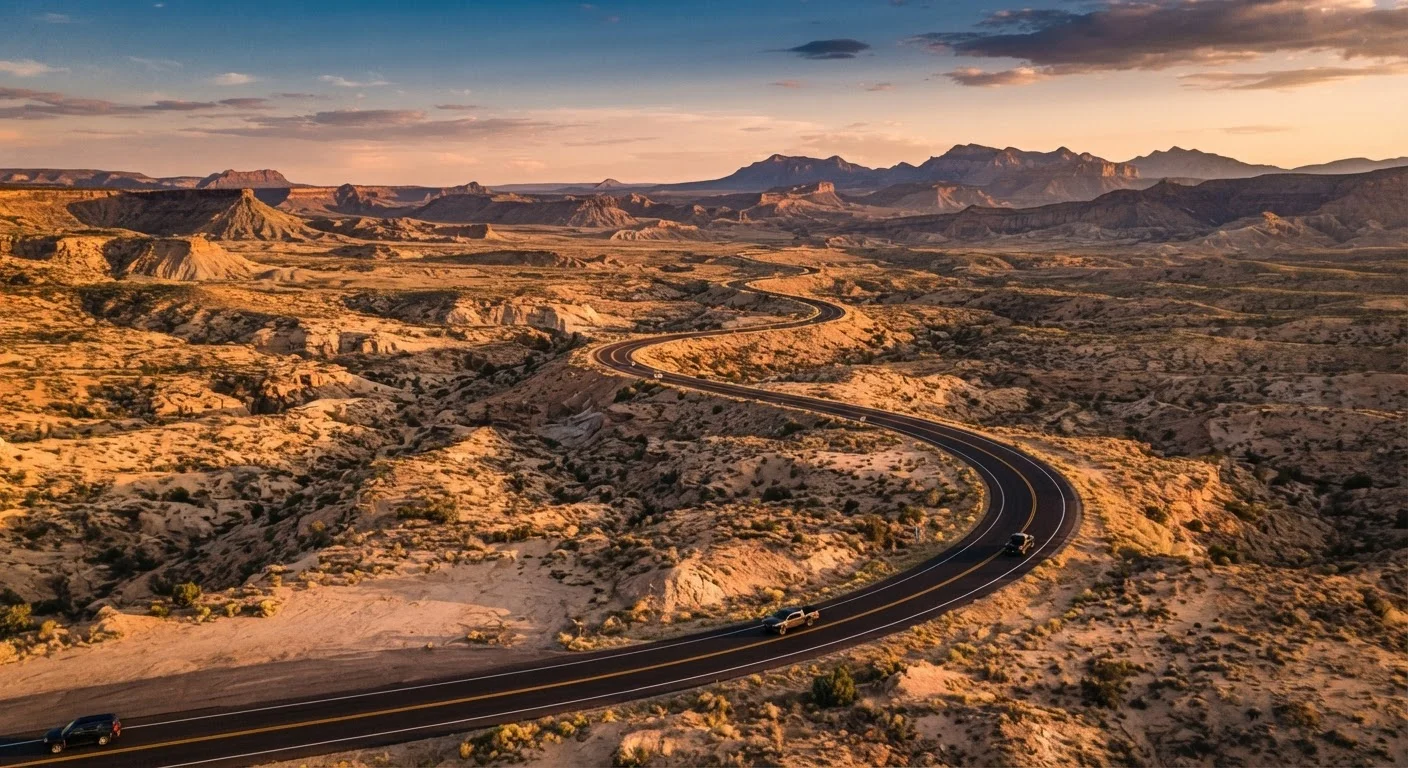
In the American Southwest, for example, canyon country destinations like Zion and Arches see summer peaks, while the lower desert parks (Joshua Tree, Saguaro) peak in winter and spring. Treating the entire region as one seasonal block leads to planning errors. Research each stop individually.
If you're building a longer multi-stop itinerary, sequencing stops by their individual peak cycles can help you avoid simultaneous crowd crunches at multiple locations. See our guide to structuring a US road trip itinerary for a practical framework.
What Actually Drives Peak Demand
Three factors consistently shape peak cycles at American destinations: school schedules, climate, and events. School calendars — particularly the mid-June to late-August window and spring break in March — generate predictable national demand spikes. Federal holidays compress travel into narrow windows, inflating prices and crowding transportation infrastructure regardless of season.
Climate is the second lever. Beach destinations peak when swimming conditions are best. Ski resorts peak when snowpack is reliable. Desert destinations invert the logic entirely, emptying out in summer heat. The third driver — events — can create micro-peaks within an otherwise quiet period. A major music festival, a marathon, or a regional convention can overwhelm lodging in a mid-sized city for a long weekend in what would otherwise be off-season.
318M+
Annual US national park visits
The National Park Service has recorded over 300 million annual visits in recent years, with the majority concentrated in summer months.
~40%
Of annual park visits occur in summer
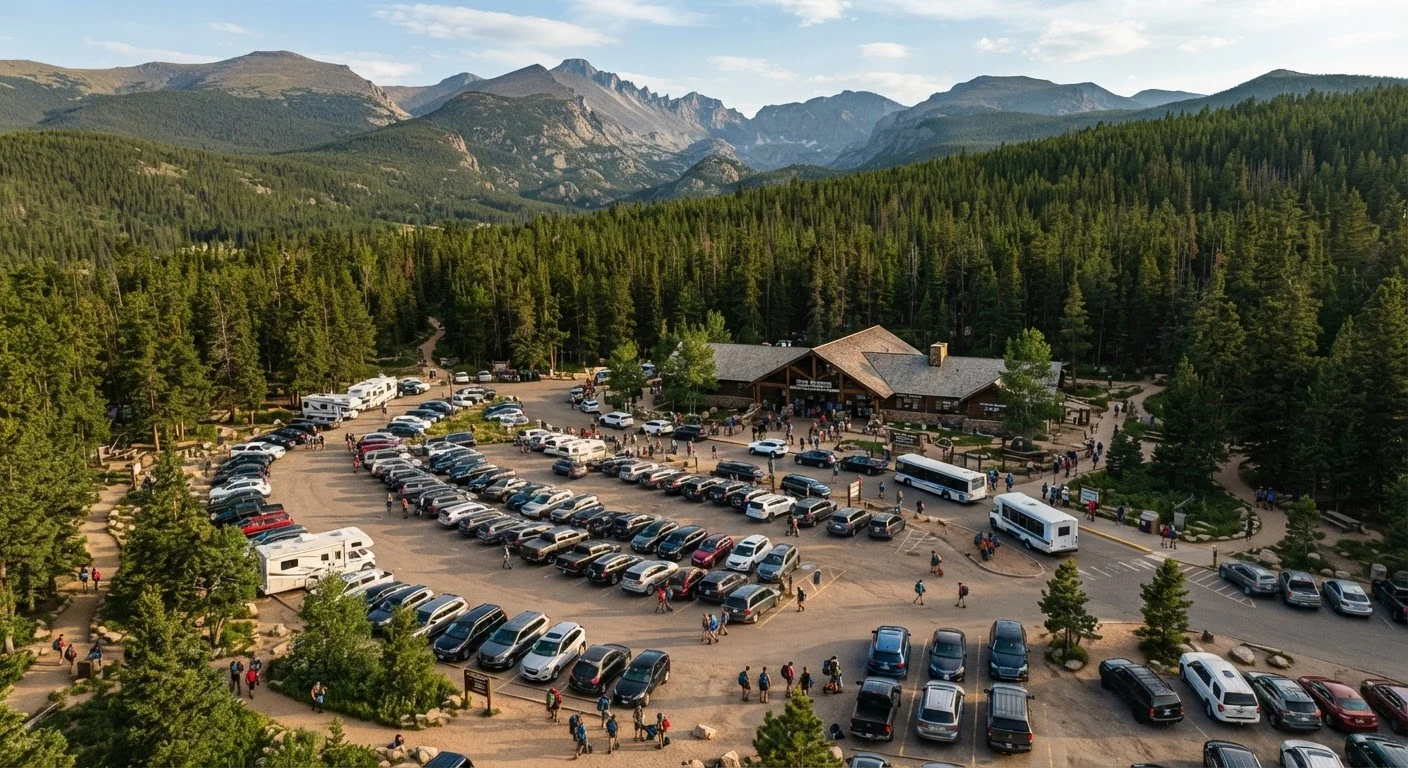
NPS data consistently shows June through August accounting for a disproportionate share of visits at most parks, creating concentrated strain on facilities.
2–3x
Typical peak vs. off-peak lodging rate difference
At many coastal and mountain resort destinations, peak season accommodation rates can be two to three times higher than off-season equivalents, though this varies widely by location.
The Gap Between Crowds and Cost
Peak season and high prices often travel together, but not always in lockstep. Some popular destinations have adopted yield-based pricing that keeps rates elevated through the shoulder period as well. A beach rental in the Outer Banks, for example, may command near-peak rates in late May and early September — technically outside summer peak — because demand still exceeds supply. Travelers who assume shoulder season automatically means cheaper travel may be disappointed.
The reverse also happens. Some off-peak periods carry hidden costs: increased cancellation risk, limited restaurant and activity availability, or weather that requires backup plans. Common budget travel assumptions often ignore these trade-offs, making off-peak trips feel like a guaranteed bargain when they're not.
How to Use Peak Season Data in Your Planning
The most useful thing peak season data tells you is what to expect, not necessarily when to go. If you're set on Yellowstone in July, that's a legitimate choice — but you should anticipate timed entry requirements, full campgrounds, and significant traffic at key viewpoints. Planning around that reality is more useful than being blindsided by it.
For flexible travelers, knowing a destination's crowd cycle opens up genuine alternatives. Visiting Acadia National Park in mid-September rather than August, or choosing a desert Southwest national park in November rather than March, can meaningfully change the experience without requiring a completely different trip. The key is verifying current reservation systems, permit requirements, and facility hours directly with the destination or managing agency before you finalize plans.
Verify Reservation Requirements Before You Book
Several high-demand national parks and state parks now require timed entry permits or vehicle reservations during peak periods. These systems change year to year. Always check the official park or destination website — not third-party aggregators — for current entry requirements before finalizing your itinerary.
Practical budget travel strategies go deeper on how timing decisions interact with accommodation and transportation costs across different destination types.